







1 / 10 Questions
0 Points

Which peninsula stretches over 1,150 miles from northern Norway to southern Sweden—longer than Germany, Poland, or France is wide?

Balkan Peninsula

Iberian Peninsula

Scandinavian Peninsula

Italian Peninsula

Points won
0
Correct score
0%

More Questions

Did You Know Greenland Sharks Live Over 400 Years

Greenland sharks can survive for more than 400 years in Arctic waters, making them Earth's longest-living vertebrates with extraordinary adaptations.

The Truth About Grizzly Bears Running Faster Than Horses

Grizzly bears can sprint up to 35 mph, outpacing many horses over short distances. Discover the shocking facts about grizzly bear speed and athleticism.

Did You Know Venus Spins Backward Compared to Other Planets

Venus rotation is unique in our solar system—the planet spins backward compared to most others. Discover the scientific theories behind this odd

More Articles

Top 15 The Leprechaun Mysteries

Top 15 The Leprechaun Mysteries

⏱️ 5 min read

Top 15 The Leprechaun Mysteries

Leprechauns remain among the most enigmatic figures in Irish folklore, captivating imaginations worldwide with their mischievous nature and hidden treasures. These diminutive faerie folk have inspired countless tales, yet beneath the familiar image of the green-suited cobbler lies a wealth of mysteries that even folklore scholars continue to debate. From their ancient origins to their peculiar behaviors, leprechauns guard secrets that extend far beyond their legendary pots of gold. This article explores fifteen of the most intriguing mysteries surrounding these elusive beings of Irish mythology.

1. Their True Origins

The exact origins of leprechauns remain hotly debated among Celtic scholars. Some theories suggest they descended from the Tuatha Dé Danann, the supernatural race that once ruled Ireland according to mythology. Others propose they evolved from water sprites or household faeries. The linguistic origin of their name is equally mysterious, potentially deriving from the Irish "leipreachán" or "luchorpán," meaning "small-bodied fellow," though this etymology itself is contested.

2. Why They're Always Male

One of the most persistent mysteries surrounding leprechauns is the apparent absence of female leprechauns in traditional folklore. Unlike other faerie species that feature both genders, leprechauns are exclusively portrayed as solitary old men. This has led to speculation about how they reproduce or whether they're created through magical means rather than biological processes.

3. The Cobbler Connection

Leprechauns are invariably described as cobblers, constantly making or mending shoes. However, the mystery lies in why they only ever seem to work on a single shoe rather than pairs. Some folklorists suggest this represents their connection to travel and journeys, while others believe it symbolizes their incomplete or liminal nature as supernatural beings.

4. The Source of Their Gold

While leprechauns are famous for hoarding gold, the origin of their wealth remains unexplained in traditional tales. Various theories suggest they discovered ancient treasures, receive payment for their cobbling services from other faeries, or possess the ability to transmute materials into gold through magical means. No definitive answer exists in the folklore.

5. The Rainbow Gateway Mystery

The association between leprechauns and rainbows is deeply embedded in popular culture, yet the reason behind this connection is unclear. Ancient Irish folklore doesn't consistently link rainbows with leprechaun gold. This mystery suggests either a later cultural addition or a lost piece of oral tradition that once explained this relationship.

6. Their Invisibility Powers

Leprechauns reportedly possess the ability to become invisible at will, yet they're frequently captured in folklore. The rules governing when and how they can use this power remain mysterious. Some tales suggest they can only turn invisible when wearing a special cap, while others imply it's an innate ability they choose not to employ.

7. The Three Wishes Phenomenon

The tradition of leprechauns granting three wishes upon capture is widespread, but its origin and limitations are unclear. Why specifically three wishes? Are there restrictions on what can be wished for? Traditional tales offer contradictory accounts, with some leprechauns granting wishes readily and others using clever wordplay to subvert the wisher's intentions.

8. Their Relationship with Other Faeries

Leprechauns occupy an ambiguous position within the broader faerie hierarchy. They appear to operate independently of faerie courts and kingdoms, yet they're undeniably part of the faerie realm. Whether they're outcasts, rebels, or simply prefer solitude remains a mystery in Celtic mythology.

9. The Red Hair Enigma

While modern depictions often show leprechauns with red hair and beards, older folklore descriptions vary considerably. The standardization of their appearance, particularly the red hair, is mysterious and may reflect cultural stereotypes about Irish people rather than authentic mythological tradition.

10. Why They Can't Lie

According to many traditions, captured leprechauns cannot tell lies, yet they're master tricksters who deceive humans regularly. This apparent contradiction puzzles folklore scholars. The mystery lies in understanding how they manipulate truth without technically lying, suggesting sophisticated rules about faerie speech and honesty.

11. Their Longevity and Aging

Leprechauns are always depicted as elderly, yet they're apparently immortal or extremely long-lived. How they age, whether they were ever young, and what their actual lifespan might be remains mysterious. This frozen state of old age suggests they may exist outside normal time or have unusual aging processes.

12. The Territorial Distribution

Leprechauns are specifically Irish entities, not found in Scottish, Welsh, or other Celtic traditions under this guise. Why they're geographically restricted to Ireland, and how they relate to similar but distinct creatures in other Celtic regions, remains an unanswered question in comparative mythology.

13. Their Aversion to Being Watched

Folklore consistently states that leprechauns disappear if you look away from them, even for a moment. The magical mechanism behind this rule is never explained. Whether it's a teleportation ability, a hypnotic suggestion, or a temporal distortion remains one of their most practical yet mysterious traits.

14. The Music Connection

Many tales describe leprechauns as skilled musicians, particularly with fiddles and tin whistles. However, the purpose of their music and whether it serves magical functions beyond entertainment is unclear. Some stories hint that their melodies can enchant listeners or manipulate natural phenomena, but details remain vague.

15. Modern Sightings and Belief

Perhaps the greatest mystery is why leprechaun sightings persist into the modern era, with people in Ireland and beyond claiming genuine encounters. Whether these represent cultural continuity, psychological phenomena, or something genuinely unexplained continues to intrigue believers and skeptics alike.

Conclusion

These fifteen mysteries demonstrate that leprechauns are far more complex than their commercialized image suggests. From questions about their origins and biology to puzzles regarding their powers and social structure, these enigmatic beings continue to guard their secrets jealously. While scholars have proposed various theories to explain these mysteries, the true nature of leprechauns may remain forever hidden, protected by the mists of Irish folklore and the passage of time. Perhaps this enduring mystery is precisely what keeps these legendary creatures alive in human imagination, reminding us that some questions are more valuable than their answers.
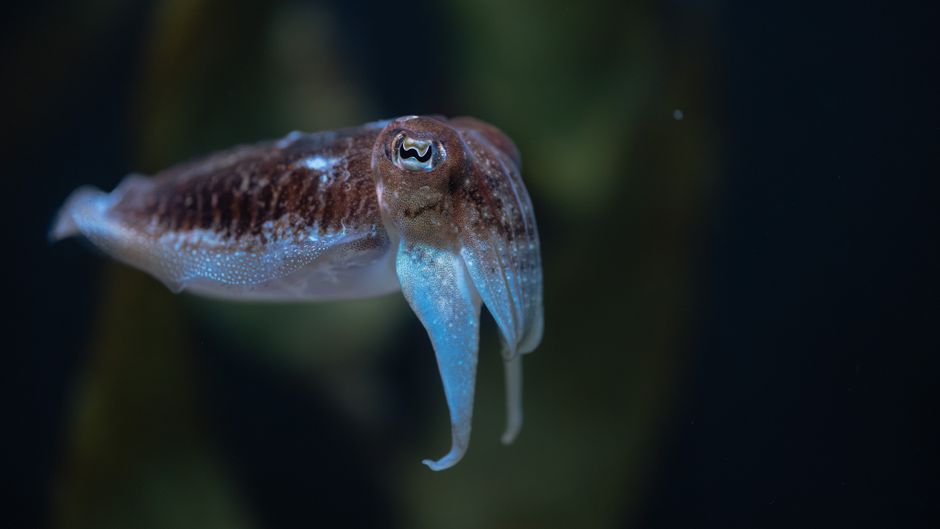
Top 15 Most Fascinating Cuttlefish

Top 15 Most Fascinating Cuttlefish

⏱️ 6 min read

Top 15 Most Fascinating Cuttlefish

Cuttlefish are among the ocean's most remarkable creatures, combining alien-like intelligence with spectacular visual displays and sophisticated hunting techniques. These cephalopods, closely related to squid and octopuses, inhabit marine waters worldwide and have evolved extraordinary adaptations that continue to captivate marine biologists and ocean enthusiasts alike. From their mesmerizing color-changing abilities to their complex communication systems, cuttlefish represent some of nature's most innovative evolutionary solutions. This article explores fifteen of the most fascinating cuttlefish species, each showcasing unique characteristics that make these creatures true marvels of the underwater world.

1. Common Cuttlefish (Sepia officinalis)

The common cuttlefish serves as the quintessential representative of the cuttlefish family. Found throughout the Mediterranean Sea and the eastern Atlantic Ocean, this species can grow up to 49 centimeters in length and displays remarkable camouflage abilities. Their skin contains millions of chromatophores, allowing them to change color and texture in milliseconds. These cuttlefish possess a W-shaped pupil that provides excellent depth perception and can see polarized light, giving them a visual advantage in murky waters.

2. Giant Cuttlefish (Sepia apama)

The giant cuttlefish holds the title as the world's largest cuttlefish species, reaching lengths of over one meter and weighing up to 10.5 kilograms. Endemic to the southern Australian coast, these magnificent creatures congregate annually in the waters near Whyalla, South Australia, for one of nature's most spectacular breeding aggregations. Males engage in dramatic color displays and physical contests to compete for mating opportunities, creating an underwater spectacle that attracts divers from around the world.

3. Flamboyant Cuttlefish (Metasepia pfefferi)

Perhaps the most visually stunning of all cuttlefish species, the flamboyant cuttlefish displays brilliant colors of purple, yellow, red, and pink across its body. Unlike most cuttlefish that swim gracefully through the water, this small species actually "walks" along the ocean floor using its arms. Found in tropical Indo-Pacific waters, the flamboyant cuttlefish is believed to be the only poisonous cuttlefish species, containing toxins as lethal as those found in blue-ringed octopuses.

4. Pharaoh Cuttlefish (Sepia pharaonis)

The pharaoh cuttlefish ranges throughout the Indo-Pacific region and represents one of the most commercially important cuttlefish species. Growing up to 42 centimeters in mantle length, these cuttlefish display exceptional problem-solving abilities and have been observed using complex hunting strategies. They possess the remarkable capability to produce passing cloud patterns across their skin, believed to hypnotize prey before striking.

5. Broadclub Cuttlefish (Sepia latimanus)

The broadclub cuttlefish ranks among the largest tropical cuttlefish species and inhabits coral reefs throughout the Indo-Pacific. Males of this species have been documented performing elaborate courtship displays involving rapid color changes and unique arm positions. They can simultaneously display male coloration on the side facing a female while showing female patterns on the opposite side to avoid aggression from rival males, demonstrating sophisticated deception strategies.

6. Mourning Cuttlefish (Sepia plangon)

Named for its distinctive dark coloration, the mourning cuttlefish inhabits the shallow coastal waters of southern Australia. This medium-sized species exhibits particularly intricate patterns during courtship and territorial displays. Scientists have observed that mourning cuttlefish possess exceptional memory capabilities, remembering specific locations of prey and returning to productive hunting grounds repeatedly.

7. Elegant Cuttlefish (Sepia elegans)

The elegant cuttlefish, found in the Indo-West Pacific region, earns its name from its graceful movements and refined body structure. This species demonstrates remarkable substrate matching abilities, perfectly replicating the texture and color of sand, rocks, or coral. Their cuttlebone structure is particularly distinctive, making them easily identifiable even from skeletal remains.

8. Stumpy-Spined Cuttlefish (Sepia bandensis)

This small cuttlefish species, reaching only about 8 centimeters in length, has become popular in marine aquariums due to its manageable size and fascinating behaviors. Native to the Indo-Pacific region, stumpy-spined cuttlefish display all the remarkable characteristics of their larger relatives, including color-changing abilities and intelligent hunting techniques, but in a more compact package that allows researchers to study them more easily.

9. Papuan Cuttlefish (Sepia papuensis)

The Papuan cuttlefish inhabits the waters around Papua New Guinea and northern Australia. This species shows particularly strong sexual dimorphism, with males displaying more vibrant coloration during breeding season. They have adapted to both reef and seagrass environments, demonstrating remarkable versatility in habitat selection and hunting strategies appropriate to each ecosystem.

10. Needle Cuttlefish (Sepia aculeata)

Distinguished by its elongated body shape and distinctive spines, the needle cuttlefish occupies a unique ecological niche in Indo-Pacific waters. This species has evolved a more streamlined body plan compared to typical cuttlefish, allowing for faster swimming speeds. Their specialized morphology suggests different hunting strategies and predator avoidance techniques compared to their broader-bodied relatives.

11. Reaper Cuttlefish (Sepia mestus)

The reaper cuttlefish inhabits deeper waters than many of its relatives, typically found between 10 to 60 meters depth along the southern Australian coast. This species displays particularly dramatic color changes during hunting, often creating wave-like patterns across its body that may serve to confuse prey. Their preference for deeper, cooler waters has made them less studied than shallow-water species, adding to their mysterious nature.

12. Tropical Cuttlefish (Sepia recurvirostra)

This Indo-Pacific species thrives in warm tropical waters and demonstrates exceptional adaptability to varying salinity levels, often found in estuarine environments where freshwater meets the sea. Tropical cuttlefish have shown remarkable resilience to environmental changes, making them an important species for studying cephalopod adaptation to changing ocean conditions.

13. Zebra Cuttlefish (Sepia lycidas)

Named for the distinctive striped patterns they can produce, zebra cuttlefish inhabit the waters around southern Japan and the East China Sea. This species displays particularly complex social behaviors, with documented hierarchies within groups and sophisticated communication through color patterns. Their striped displays serve multiple purposes, from camouflage among seagrass to aggressive posturing toward rivals.

14. Hooded Cuttlefish (Sepia prashadi)

The hooded cuttlefish receives its name from the distinctive hood-like mantle shape that becomes prominent during defensive displays. Found in the Indian Ocean and Southeast Asian waters, this species has adapted to turbulent coastal environments where strong currents demand powerful swimming capabilities. Their robust build and strong fins allow them to maintain position in challenging water conditions.

15. Rough Cuttlefish (Sepia rugosa)

Completing our list, the rough cuttlefish demonstrates perhaps the most impressive texture-changing abilities of any cuttlefish species. Native to Southeast Asian waters, this species can transform its skin from smooth to highly textured within seconds, creating three-dimensional papillae that perfectly mimic surrounding substrate. This sophisticated camouflage system involves not just chromatophores but also specialized muscles that raise and lower skin structures, representing the pinnacle of cephalopod camouflage evolution.

Conclusion

These fifteen remarkable cuttlefish species represent the incredible diversity within the cephalopod world. From the massive giant cuttlefish to the tiny stumpy-spined variety, from the poisonous flamboyant cuttlefish to the deep-dwelling reaper cuttlefish, each species has evolved unique adaptations suited to their specific environments and ecological niches. Their extraordinary camouflage abilities, sophisticated intelligence, and complex social behaviors continue to inspire scientific research and technological innovation. As we face increasing challenges to marine ecosystems, understanding and protecting these fascinating creatures becomes ever more critical. Cuttlefish serve not only as indicators of ocean health but also as reminders of the remarkable complexity and beauty that evolution has produced in our planet's oceans. Through continued research and conservation efforts, we can ensure that these captivating creatures continue to thrive and fascinate future generations.