
The Hidden Story of Why Lobsters Were Once Prison Food
By Trivia Daily, Staff Writer — Published November 23, 2026
Table of Contents
- Key Takeaways
- The Hidden Story of Lobsters as Colonial Poverty Food
- Why Were Lobsters So Abundant and Unloved?
- The Transportation Revolution That Changed Everything
- From Abundance to Scarcity: The Population Crash
- Comparing Then and Now: Lobster Through the Centuries
- Frequently Asked Questions
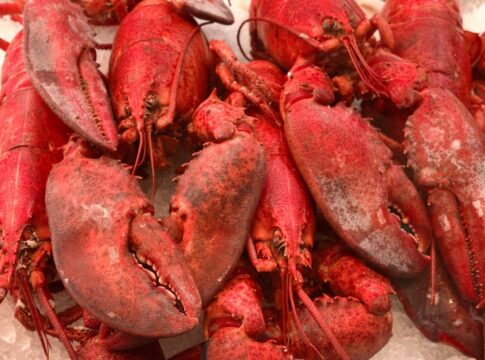
Today’s lobster dinner symbolizes luxury, complete with melted butter and a hefty price tag. But rewind a couple of centuries, and you’d discover a surprising truth: these crimson crustaceans were so abundant and undesirable that they were fed to prisoners, servants, and even used as fertilizer. The hidden story of lobsters reveals one of history’s most dramatic culinary reversals—a journey from despised bottom-feeder to coveted delicacy that changed American dining forever.
This fascinating transformation didn’t happen overnight. Early American colonists found lobsters washing ashore in piles two feet high after storms, cluttering beaches along the Massachusetts coast. Native Americans had long used them as bait and fertilizer, and the settlers quickly followed suit. The creatures were so plentiful that they became food for those who couldn’t afford anything better—a remarkable contrast to their modern status as a luxury item commanding premium prices.
Key Takeaways
- Colonial-era lobsters were so abundant in New England that they washed ashore in massive piles and were considered poverty food fit only for prisoners and servants.
- Some servant contracts in Massachusetts specifically limited how many times per week employers could feed them lobster, treating it as cruel and unusual punishment.
- Lobsters were ground up and used as fertilizer for fields and as bait for catching more valuable fish throughout the 17th and 18th centuries.
- The invention of canned lobster and railroad transportation in the mid-1800s began transforming the crustacean’s reputation among inland Americans unfamiliar with its lowly coastal status.
- Overfishing dramatically reduced lobster populations by the late 1800s, creating scarcity that helped elevate the creature to luxury status.
- Modern lobster fishing is carefully regulated to prevent the population collapse that nearly occurred during the industrial fishing boom.
The Hidden Story of Lobsters as Colonial Poverty Food
In colonial America, lobsters represented the opposite of fine dining. These bottom-dwelling scavengers were viewed with suspicion and disdain. Their abundance made them worthless in economic terms—when something is everywhere, it holds no value. Coastal communities viewed lobster meat as suitable only for the poorest members of society.
Historical records indicate that indentured servants and prisoners received lobster regularly as cheap protein. Some servant contracts included clauses limiting lobster meals to just a few times per week. While the exact frequency varied, the very existence of such provisions speaks volumes about the food’s lowly status. Being forced to eat lobster repeatedly was genuinely considered a hardship worth protecting against in legal agreements.
The stigma extended beyond just frequency. Fresh lobster wasn’t even the norm for these meals—often the meat was ground up, shell and all, creating an unappetizing paste. This preparation method stripped away any potential appeal and reinforced the perception of lobster as barely edible sustenance rather than actual food worth savoring.
Why Were Lobsters So Abundant and Unloved?
Several factors combined to make lobsters the most undesirable creatures in colonial waters. First, their sheer numbers overwhelmed coastal communities. Without modern fishing technology or significant predator populations, lobster colonies thrived in New England’s cold waters. They grew larger than today’s specimens, with some historical accounts describing lobsters weighing over 20 pounds.
Second, preservation technology didn’t exist to keep seafood fresh. Lobsters died quickly after being caught, and without refrigeration, the meat spoiled rapidly. This meant lobster could only be consumed immediately and locally—there was no way to transport it inland or store it for later. The narrow window for consumption limited its market value.
Third, cultural perceptions played a role. Lobsters are scavengers, feeding on dead matter at the ocean bottom. This dietary habit made them seem unclean to many colonists. The creatures’ insect-like appearance didn’t help their cause either. People called them “cockroaches of the sea,” a nickname that certainly didn’t boost their culinary reputation.
The Transportation Revolution That Changed Everything
The mid-1800s brought technological advances that would forever alter the lobster’s trajectory. Railroad expansion allowed fresh seafood to reach inland cities for the first time. Suddenly, people in places like Chicago and Kansas City could taste lobster—and they had no idea it was considered trash food on the coast.
These inland consumers experienced lobster without the cultural baggage. To them, it was exotic seafood from the distant ocean, not the pest that cluttered beaches. Restaurants in inland cities began serving lobster as a novelty item, and its popularity grew among diners who’d never seen one alive.
Canning technology also emerged during this period, allowing lobster meat to be preserved and shipped even farther. Canned lobster became a surprisingly popular product, introducing the flavor to a national audience. While coastal elites still avoided it, middle America embraced this “new” food with enthusiasm.
From Abundance to Scarcity: The Population Crash
As demand increased, fishing pressure intensified dramatically. By the late 1800s, lobster populations began declining noticeably. The same abundance that once made them worthless now vanished under industrial-scale harvesting. Fishermen had to work harder to catch fewer lobsters, and prices began rising accordingly.
This scarcity proved crucial to the lobster’s image rehabilitation. Economic principles took over—as lobsters became harder to obtain, they became more valuable. What was once food for prisoners gradually transformed into a delicacy that only the wealthy could regularly afford. The transition happened within a single generation, a remarkably fast shift in culinary culture.
Conservation efforts eventually stabilized populations, but by then, the lobster’s status had permanently changed. Modern fishing regulations include minimum size limits, seasonal restrictions, and prohibitions on catching egg-bearing females. These measures maintain sustainable populations while keeping lobsters relatively scarce—and therefore expensive.
Comparing Then and Now: Lobster Through the Centuries
| Aspect | Colonial Era (1600s-1700s) | Modern Times |
|---|---|---|
| Population Status | Extremely abundant, washing ashore in piles | Managed populations, carefully regulated fishing |
| Social Status | Food for prisoners, servants, and the poor | Luxury item associated with fine dining |
| Price Point | Essentially free, considered worthless | Premium pricing, often $20-40 per pound |
| Typical Size | Often very large, 15-25 pounds common | Usually 1-3 pounds, larger specimens rare |
| Primary Use | Fertilizer, bait, poverty food | Restaurant delicacy, special occasion meals |
Frequently Asked Questions
Were lobsters really fed to prisoners in colonial America?
Yes, lobsters were regularly served to prisoners and servants in colonial New England because they were abundant and free. Some servant contracts even included provisions limiting how often employers could serve lobster, as eating it too frequently was considered undesirable.
When did lobsters become expensive luxury food?
The transformation occurred gradually during the mid-to-late 1800s as railroad transportation allowed inland Americans to try lobster without knowing its low coastal status, while simultaneously overfishing reduced populations and created scarcity. By the early 1900s, lobster had firmly established itself as upscale cuisine.
Why were colonial-era lobsters so much larger than today’s?
Without intensive fishing pressure, lobsters lived longer and grew much larger, with specimens over 20 pounds being relatively common. Modern fishing regulations now protect lobsters, but the constant harvesting pressure means few individuals survive long enough to reach those massive sizes.
Are lobsters really related to cockroaches?
Lobsters and cockroaches are both arthropods, sharing a distant common ancestor, but they belong to different subphyla—lobsters are crustaceans while cockroaches are insects. The “cockroach of the sea” nickname reflected their scavenger diet and appearance rather than close biological relationship.
The lobster’s journey from beach pest to luxury item reminds us that value is often a matter of perception rather than inherent quality. What we consider desirable today might have been despised by our ancestors, and vice versa. Next time you crack open a lobster tail at a fancy restaurant, remember you’re eating what colonial prisoners complained about having too often—a surprising twist that makes each buttery bite taste just a little more interesting.