
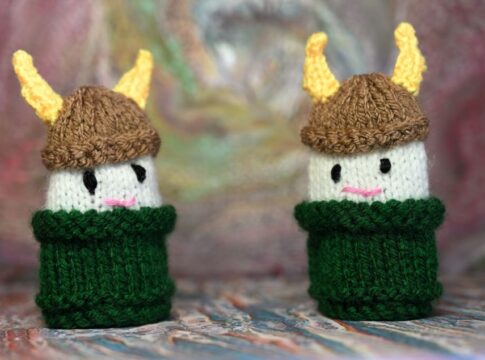
The Truth About Viking Horned Helmets: History Busted
By Trivia Daily, Staff Writer — Published September 20, 2026
Table of Contents
- Key Takeaways
- What Archaeological Evidence Actually Shows
- How the Myth Was Born and Spread
- What Vikings Actually Wore Into Battle
- Why Myths Persist Despite Evidence
- Frequently Asked Questions
Picture a Viking warrior: fierce, bearded, sailing across stormy seas with a horned helmet gleaming atop his head. It’s an iconic image that appears in cartoons, movies, and even opera costumes. But here’s a surprising fact that might shatter your childhood memories—Vikings never actually wore horned helmets into battle. This enduring myth represents one of history’s most successful cases of mistaken identity, and the truth behind Viking horned helmets reveals a fascinating story about how historical misconceptions take root and flourish.
The real Vikings, those Scandinavian seafarers and warriors who raided and traded across Europe from roughly the 8th to 11th centuries, wore practical iron helmets without any decorative horns. Archaeological evidence has uncovered only a handful of complete Viking-era helmets, and not one features the iconic horns. So where did this persistent image come from, and why does it remain so deeply embedded in popular culture?
Key Takeaways
- No archaeological evidence supports Vikings wearing horned helmets in battle—every authentic Viking helmet discovered has been hornless.
- The horned helmet myth was popularized in the 19th century, particularly through Wagner’s opera costumes and romanticized artwork.
- Ceremonial horned helmets did exist in Bronze Age Scandinavia, but these predated Vikings by more than a thousand years.
- Real Viking helmets were practical iron caps, often with nose guards, designed for protection rather than intimidation.
- The myth persists today despite historical corrections, appearing in everything from sports team logos to children’s cartoons.
What Archaeological Evidence Actually Shows
Archaeologists have discovered very few intact Viking helmets, making each find incredibly valuable. The most complete example, known as the Gjermundbu helmet, was excavated from a Norwegian burial site in 1943. This 10th-century iron helmet features a rounded cap with a simple nose guard—no horns in sight. The scarcity of helmet finds doesn’t mean Vikings rarely wore them; rather, iron was precious and often recycled after death, melted down for new tools or weapons.
The helmets that have survived reveal practical designs. They needed to deflect sword blows and arrows, not make warriors taller targets. Horns would have been a tactical nightmare. An enemy could grab them, twist a warrior’s neck, or use them as leverage to wrench off the helmet entirely. Any experienced fighter would recognize horns as a dangerous liability rather than an advantage.
Interestingly, horned helmets do appear in Scandinavian archaeology—just not from the Viking Age. Bronze Age ceremonial helmets discovered in Denmark, dating back to around 900 BCE, feature elaborate decorations including horns and bird imagery. These were likely used in religious rituals, not warfare, and existed more than 1,500 years before the Viking Age began.
How the Myth Was Born and Spread
The horned Viking image exploded in popularity during the 19th century, a period of intense romantic nationalism across Europe. Artists and writers reimagined medieval history with dramatic flair, often prioritizing visual impact over accuracy. Scandinavian artists created paintings depicting ancient Norse warriors in elaborate costumes, sometimes adding horns for dramatic effect.
The most influential culprit was probably costume designer Carl Emil Doepler, who created horned helmets for the premiere of Richard Wagner’s opera cycle “Der Ring des Nibelungen” in 1876. These theatrical costumes captured public imagination and cemented the horned helmet as the definitive Viking look. Wagner’s operas, though based on Norse mythology, weren’t historically accurate—they were fantasy dramas. But their cultural impact was enormous.
Once established in popular culture, the image proved nearly impossible to dislodge. Political cartoonists adopted horned helmets as shorthand for Vikings or Scandinavians. Advertisers used them to evoke strength and Nordic heritage. The Minnesota Vikings football team, founded in 1961, chose a horned helmet logo that millions now recognize instantly.
What Vikings Actually Wore Into Battle
Real Viking warriors valued function over flash. Most fighters probably wore leather caps or went bareheaded, as metal helmets were expensive. Wealthier warriors and chieftains could afford iron helmets, typically simple rounded designs that protected the skull and sometimes included a nose guard or mail curtain to shield the neck and face.
Viking battle gear prioritized mobility and protection in that order. A typical warrior might wear:
- A simple iron or leather helmet, if any headgear at all
- A woolen tunic and trousers, sometimes reinforced with leather
- Possibly a mail shirt (byrnie) if wealthy enough to afford one
- A wooden shield, usually round and painted with clan colors or symbols
- Weapons including axes, swords, or spears depending on status and role
This practical approach served Vikings well during their centuries of raiding, trading, and exploring. They reached as far as North America to the west and Constantinople to the east—achievements requiring seamanship, navigation skills, and effective (but sensible) military equipment.
Why Myths Persist Despite Evidence
Historical myths often survive because they’re more visually striking or emotionally satisfying than reality. Horned helmets make Vikings instantly recognizable in illustrations, movies, and logos. They suggest something wild, pagan, and primitive—exactly the image many people want when they think “Viking.”
Educational efforts have made progress. Museums now clearly explain the horned helmet myth in Viking exhibitions. The Smithsonian and similar institutions address the misconception directly. Historians writing for general audiences routinely debunk it. Yet the image remains stubbornly entrenched in popular culture, demonstrating how difficult it can be to correct a widely-held but inaccurate belief once it’s taken root.
The persistence also reveals something about human psychology. We’re drawn to simple, memorable images that confirm our existing mental pictures. Correcting these images requires actively replacing them with new information—and a hornless Viking helmet just doesn’t have the same immediate visual punch.
Frequently Asked Questions
Did Vikings ever wear anything on their heads with horns?
While Vikings didn’t wear horned helmets in battle, they may have used horned drinking vessels for ceremonial purposes. Some Bronze Age Scandinavians, who lived long before the Viking Age, created ceremonial horned helmets for religious rituals, but these were never combat gear.
When did people start thinking Vikings wore horned helmets?
The myth became widespread in the 19th century, particularly after costume designer Carl Emil Doepler created horned helmets for Wagner’s operas in the 1870s. Romantic nationalism and artistic license during this period prioritized dramatic imagery over historical accuracy.
How many real Viking helmets have archaeologists found?
Archaeologists have discovered only a handful of complete or nearly complete Viking helmets, with the Gjermundbu helmet from Norway being the most intact example. None of these authentic helmets feature horns or elaborate decorations.
Why would horns on helmets be impractical in battle?
Horns would create serious tactical disadvantages: enemies could grab them to control a warrior’s head, use them as leverage to remove the helmet, or strike them to transmit force directly to the skull. They’d also add unnecessary weight and make the wearer a taller, more visible target.
The next time you see a horned Viking helmet in a cartoon, movie, or logo, you’ll know you’re looking at 19th-century romanticism rather than historical reality. It’s a reminder that our most confident assumptions about the past sometimes rest on surprisingly shaky foundations—and that’s what makes historical trivia endlessly fascinating.