



1 / 10 Questions
0 Points

What fruit is the most popular flavor of jelly bean?

Cherry

Orange

Grape

Strawberry

Points won
0
Correct score
0%

More Questions

11 Surprising Facts About Fungi Being Closer to Animals

Fungi classification reveals surprising links to animals rather than plants. Discover 11 scientific facts that explain why mushrooms are closer to you.

The Hidden Story of Fingerprints Being Unique to Koalas Too

Fingerprints unique to humans aren't so unique after all. Koalas share remarkably similar ridge patterns that even experts struggle to distinguish.

The Truth About Phoenix Myths Coming From Flamingo Sightings

Phoenix myths may have originated from ancient flamingo sightings. Discover how these vibrant birds inspired one of history's most enduring legends.

More Articles

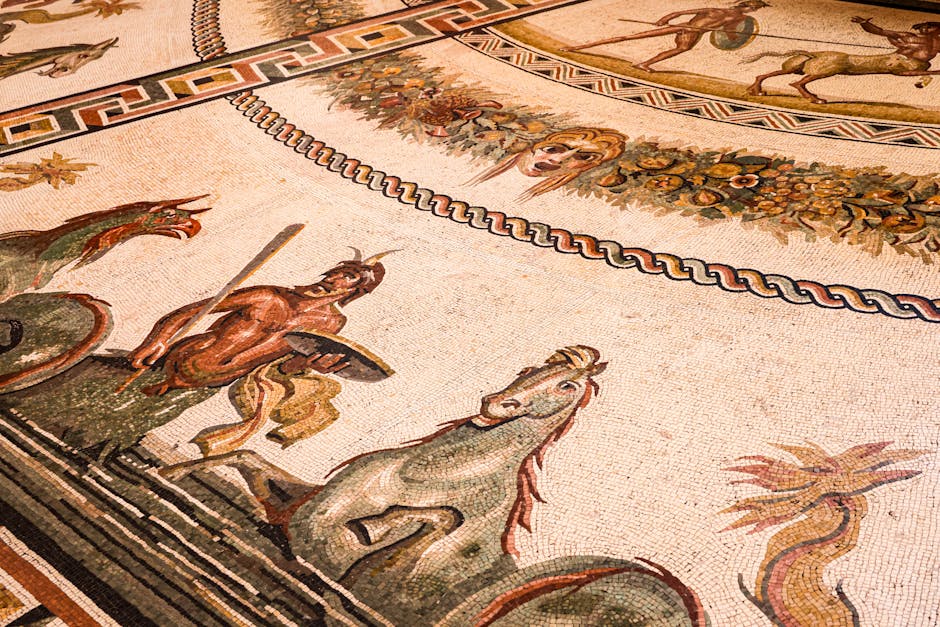
Did You Know? 12 Facts About Roman Mythology

Did You Know? 12 Facts About Roman Mythology

⏱️ 6 min read

Did You Know? 12 Facts About Roman Mythology

Roman mythology stands as one of the most influential belief systems in Western civilization, shaping art, literature, and culture for over two millennia. While often overshadowed by its Greek counterpart, Roman mythology possesses unique characteristics and fascinating stories that deserve recognition. From the founding of Rome to the fall of the Western Empire, these myths served as the spiritual backbone of one of history's greatest civilizations. Here are twelve intriguing facts about Roman mythology that reveal the depth and complexity of ancient Roman religious beliefs.

1. Roman Gods Were Not Simply Greek Copies

A common misconception is that Roman gods were merely renamed versions of Greek deities. While Romans did eventually associate their gods with Greek counterparts through a process called "interpretatio graeca," many Roman gods existed independently long before Greek influence. Janus, the two-faced god of beginnings and transitions, had no Greek equivalent. Similarly, the Lares and Penates, household protective spirits, were uniquely Roman concepts that reflected the culture's emphasis on family and domestic life.

2. The Founding Myth Involves Fratricide

Rome's origin story centers on Romulus and Remus, twin brothers raised by a she-wolf. According to legend, in 753 BCE, the brothers disagreed about where to establish their city. The dispute escalated until Romulus killed Remus, becoming Rome's first king and namesake. This violent beginning reflected Roman values of determination and the willingness to make difficult decisions for the greater good of the state, even at personal cost.

3. Romans Practiced State-Sponsored Religion

Unlike many ancient religions that were primarily personal or community-based, Roman religion was deeply intertwined with government. The position of Pontifex Maximus, or chief priest, was a political office held by emperors. Religious ceremonies and rituals were considered essential to maintaining the "pax deorum," or peace with the gods, which Romans believed was necessary for the state's prosperity and military success.

4. The Vestal Virgins Held Extraordinary Power

The Vestal Virgins, priestesses of Vesta, goddess of the hearth, were among the most respected figures in Roman society. These women took vows of chastity for thirty years and tended the sacred flame in the Temple of Vesta. They enjoyed privileges unavailable to other Roman women, including the right to own property, make wills, and their testimony was considered unimpeachable in court. However, if they broke their vows, the punishment was being buried alive.

5. Roman Mythology Emphasized Duty Over Glory

While Greek mythology often celebrated individual heroism and achievement, Roman myths stressed "pietas," or dutiful respect toward gods, country, and family. The hero Aeneas, protagonist of Virgil's Aeneid, exemplified this virtue by abandoning his love, Dido, to fulfill his destiny of founding Rome's predecessor. This emphasis on duty over personal desire reflected core Roman values that prioritized collective welfare above individual satisfaction.

6. Romans Imported Foreign Gods

Romans demonstrated remarkable religious tolerance and pragmatism by adopting foreign deities into their pantheon. When facing military challenges or crises, they practiced "evocatio," ritually inviting enemy gods to Rome with promises of better temples and worship. The cult of Cybele, a Phrygian mother goddess, was officially brought to Rome during the Second Punic War. This openness to foreign religions helped Rome integrate conquered peoples and demonstrated their belief that more divine protection was always beneficial.

7. The Sibylline Books Guided Major Decisions

The Sibylline Books were a collection of prophetic verses consulted during times of crisis. According to legend, the Cumaean Sibyl offered nine books to King Tarquin, but he refused to pay her price. She burned three, then three more, until he finally purchased the remaining three at the original price of nine. These mysterious texts, kept in the Temple of Jupiter, were consulted by special priests during emergencies and influenced critical state decisions for centuries.

8. Roman Festivals Outnumbered Work Days

The Roman calendar featured over 130 festival days dedicated to various gods and religious observances. Major festivals like Saturnalia, honoring Saturn, involved role reversals where slaves dined with masters, gift-giving, and general merrymaking. The Lupercalia, a fertility festival held in February, involved priests running through streets striking people with goatskin strips to promote fertility. These festivals were not merely religious obligations but vital social institutions that reinforced community bonds and provided entertainment.

9. Romans Believed in Prophetic Dreams and Omens

Divination played a crucial role in Roman religious life. Augurs, official priests, interpreted signs from birds, while haruspices examined animal entrails to predict the future. Romans took omens seriously before any major undertaking, from military campaigns to building projects. Ignoring bad omens was considered dangerous hubris that invited divine punishment. This belief system gave religious authorities significant influence over political and military decisions.

10. The Underworld Had Multiple Regions

Roman concepts of the afterlife were complex and evolved over time. The underworld, ruled by Pluto and Proserpina, contained different regions for different types of souls. The Elysian Fields housed virtuous souls, Tartarus imprisoned the wicked, and the Asphodel Meadows served as a neutral ground for ordinary souls. Romans also believed in the Manes, spirits of the dead ancestors who required proper burial rites and ongoing veneration to prevent them from haunting the living.

11. Emperor Worship Became Official Practice

Following Julius Caesar's assassination and deification, Roman emperors were increasingly worshipped as gods, either after death or, later, during their lifetimes. This practice served political purposes, unifying the diverse empire under a common cult and reinforcing imperial authority. Refusing to participate in emperor worship became a defining issue for early Christians and led to periodic persecution, as it was viewed as political disloyalty rather than merely religious dissent.

12. Roman Mythology Influenced Modern Culture

The legacy of Roman mythology permeates contemporary Western culture. The names of planets, months, and days of the week derive from Roman deities. January comes from Janus, March from Mars, and June from Juno. Legal concepts, governmental structures, and architectural styles trace their roots to Roman civilization. Literary works, from Renaissance poetry to modern fantasy novels, continuously draw upon Roman mythological themes, ensuring these ancient stories remain relevant millennia after the empire's fall.

Conclusion

These twelve facts reveal that Roman mythology was far more than a collection of entertaining stories about gods and heroes. It was a comprehensive system that shaped every aspect of Roman life, from personal morality to state policy. The Romans' practical approach to religion, their emphasis on duty and tradition, and their willingness to incorporate foreign elements created a unique mythological framework that supported history's most powerful empire. Understanding these facts provides insight not only into ancient Roman civilization but also into the foundations of Western culture, as Roman mythological concepts continue to influence modern society in countless subtle and profound ways.
Did You Know? 10 Facts About Anubis

Did You Know? 10 Facts About Anubis

⏱️ 6 min read

Did You Know? 10 Facts About Anubis

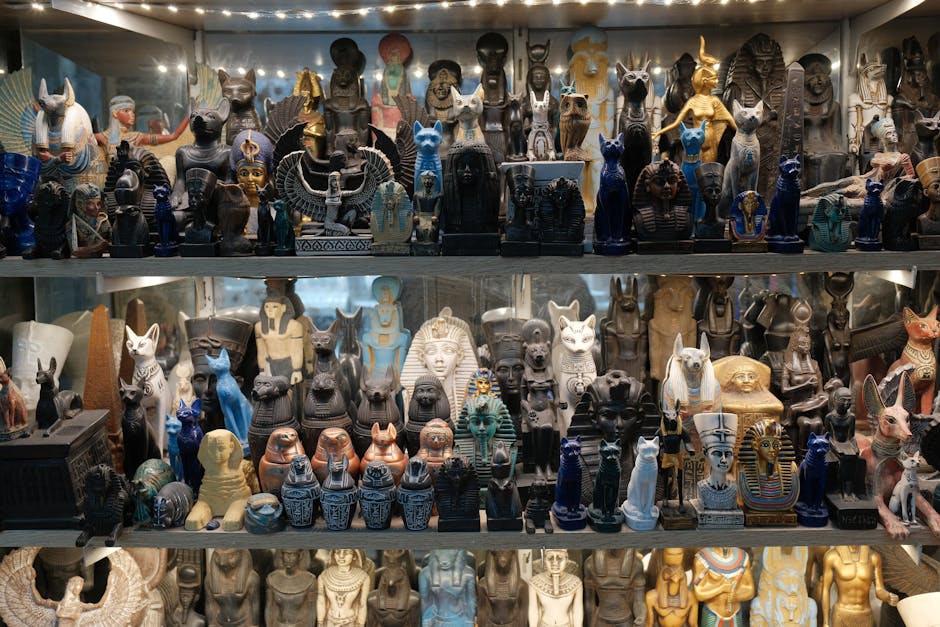
Anubis stands as one of the most recognizable and enduring figures from ancient Egyptian mythology. With his distinctive jackal head and mysterious presence, this god of the dead has captivated human imagination for thousands of years. From his role in the afterlife to his complex relationships with other deities, Anubis played a crucial part in Egyptian religious beliefs and funerary practices. This article explores ten fascinating facts about this enigmatic deity that reveal the depth and complexity of ancient Egyptian spirituality.

1. Anubis is One of the Oldest Egyptian Gods

Anubis ranks among the most ancient deities in the Egyptian pantheon, with evidence of his worship dating back to the First Dynasty, around 3100 BCE. His prominence in early Egyptian religion predates many other well-known gods, including Osiris. Initially, Anubis held the supreme position as god of the dead before later mythology elevated Osiris to this role. This ancient lineage demonstrates the enduring importance of death rituals and afterlife beliefs in Egyptian culture from its earliest periods.

2. The Jackal-Headed God Has Practical Origins

The distinctive jackal or wild dog head of Anubis was not chosen arbitrarily. Ancient Egyptians observed jackals and wild dogs scavenging in cemeteries and desert burial grounds, where they would dig up improperly buried bodies. By making a deity in the image of these animals, Egyptians essentially placed these creatures under divine control, believing this would protect graves from desecration. This practical approach to religious symbolism reflects the Egyptian tendency to incorporate observed natural phenomena into their spiritual framework.

3. Anubis Was the Original God of the Dead

Before Osiris became the primary deity associated with death and resurrection, Anubis held this supreme position. As Egyptian mythology evolved during the Middle Kingdom period, Osiris assumed the role of ruler of the underworld, while Anubis transitioned to a supporting but still vital position. Rather than diminishing his importance, this shift allowed Anubis to specialize in the technical and ritual aspects of death, including mummification and the weighing of hearts ceremony.

4. He Invented Mummification

According to Egyptian mythology, Anubis created the practice of mummification. The legend states that after the god Set murdered Osiris and scattered his body parts across Egypt, Anubis gathered the pieces and performed the first mummification, thereby preserving Osiris's body for resurrection. This mythological origin story established Anubis as the patron of embalmers, and priests who performed mummification rituals often wore jackal masks to embody the god during the sacred process.

5. Guardian of Scales in the Weighing of the Heart Ceremony

One of Anubis's most important roles involved the judgment of the dead. In the famous weighing of the heart ceremony, Anubis would guide deceased souls to the scales and oversee the weighing of their hearts against the feather of Ma'at, representing truth and justice. If the heart was lighter than or equal to the feather, the soul could proceed to the afterlife. If heavier with sin, it would be devoured by Ammit, a demon. This role positioned Anubis as an impartial arbiter of cosmic justice.

6. His Parentage Varies Across Egyptian Mythology

Different mythological traditions offer varying accounts of Anubis's parentage. Some texts identify him as the son of Ra, the sun god, while others claim Osiris as his father. One particularly interesting version states that Anubis was born from the union of Osiris and Nephthys, who disguised herself as Isis. This illegitimate birth led Nephthys to abandon the infant, whereupon Isis found and raised him. These varying genealogies reflect the complex and sometimes contradictory nature of Egyptian mythology as it evolved across different regions and time periods.

7. Protector of Graves and Cemeteries

Beyond his role in mummification and judgment, Anubis served as the guardian of graves and tombs. Ancient Egyptians believed he watched over burial sites, protecting the deceased from desecration and evil spirits. Statues and images of Anubis commonly appeared in tombs, and his presence was invoked in funerary texts and spells. This protective function made him one of the most frequently depicted deities in tomb art and funerary equipment, from royal pyramids to common burial sites.

8. Associated with the Color Black

Anubis was typically depicted with black skin, a color that held deep symbolic meaning in Egyptian culture. Unlike in many modern Western contexts, black represented fertility, rebirth, and the rich soil of the Nile River rather than evil or death. The black color also referenced the discoloration of corpses during mummification when treated with natron and resins. This association linked Anubis directly to the physical transformation of death and the promise of regeneration in the afterlife.

9. His Worship Center Was Cynopolis

The primary cult center for Anubis worship was located in Cynopolis, known in ancient Egyptian as "Hardai," in Upper Egypt. The Greek name Cynopolis literally means "city of dogs," reflecting Anubis's canine form. In this city, dogs and jackals were considered sacred animals, and harming them was strictly forbidden. Archaeological evidence suggests that elaborate cemeteries existed there specifically for the burial of sacred dogs, demonstrating the deep connection between the deity and his animal form.

10. His Influence Extended Beyond Egypt

The worship of Anubis spread beyond Egyptian borders during the Greco-Roman period. As cultural exchange increased following Alexander the Great's conquest of Egypt, Anubis was incorporated into Greek and Roman religious practices. The Greeks sometimes associated him with Hermes, creating a syncretic deity called Hermanubis who combined attributes of both gods. Evidence of Anubis worship has been found throughout the Mediterranean, including in Rome itself, demonstrating the broad appeal of this ancient Egyptian deity across different cultures.

Conclusion

These ten facts about Anubis reveal a deity far more complex than his popular image as simply the god of death. From his ancient origins and practical symbolism to his evolving roles and international influence, Anubis embodied crucial aspects of Egyptian spirituality and cultural values. His functions as inventor of mummification, guardian of graves, and judge of souls made him indispensable to Egyptian afterlife beliefs. The enduring fascination with Anubis in modern times testifies to the powerful symbolism and profound spiritual concepts that ancient Egyptians embedded in this jackal-headed god. Understanding these facts provides valuable insight into how one of the world's greatest civilizations confronted mortality and imagined the journey beyond death.