










1 / 10 Questions
0 Points

What is the largest species of bear in the world?

Panda bear

Black bear

Grizzly bear

Polar bear

Points won
0
Correct score
0%

More Questions

Did You Know Elephant Seals Dive Over 5000 Feet Deep

Elephant seals routinely plunge more than 5000 feet below the surface on hunting expeditions. Discover how these marine mammals survive extreme depths.

Did You Know Cows Have Best Friends and Get Stressed

Cow behavior reveals surprising social bonds. Discover how cows form best friendships and experience stress when separated from their companions.

Did You Know Narwhals Inspired Medieval Unicorn Legends

Narwhal legends shaped medieval Europe's unicorn mythology when traders sold their tusks as magical horns. Discover the fascinating truth behind the myth.

More Articles

Why Elephants Can Detect Rainstorms 150 Miles Away

Why Elephants Can Detect Rainstorms 150 Miles Away

Why Elephants Can Detect Rainstorms 150 Miles Away

By Trivia Owl, Animals Desk — Published October 27, 2026

Table of Contents

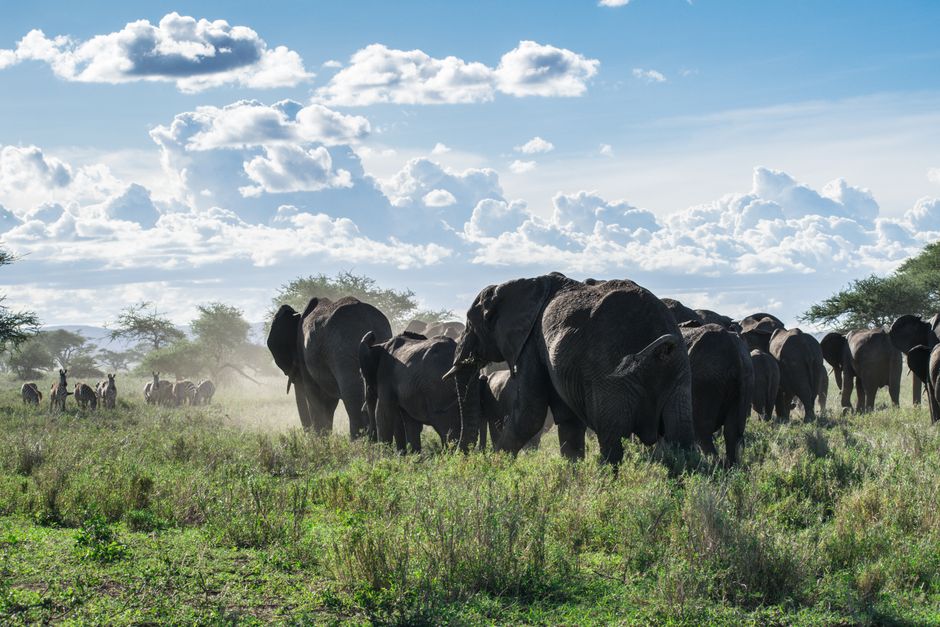
Imagine standing in the scorching heat of the African savanna, the ground cracked and dry beneath your feet, when suddenly a herd of elephants begins moving with purpose toward the horizon. These massive creatures aren't wandering aimlessly—they're responding to a rainstorm more than a hundred miles away that you can't see, hear, or smell. Elephants detect rainstorms at distances that seem impossible, using sensory abilities that put human perception to shame.

This remarkable navigation skill has helped the species survive droughts and locate water sources across vast landscapes for millions of years. The secret lies in a combination of specialized anatomy and behavior that transforms these gentle giants into living weather stations.

Key Takeaways

  • Elephants can detect rainstorms up to 150 miles away using infrasound—sound waves below the range of human hearing.
  • Their large feet and trunks act as specialized receivers for low-frequency vibrations traveling through the ground.
  • African elephants possess a unique bone structure in their middle ear that enhances sensitivity to infrasonic frequencies.
  • This ability allows herds to navigate toward water sources during droughts, increasing survival rates in harsh habitats.
  • Elephants also use infrasound to communicate with other herds across distances of several miles.
  • The same sensory system helps these animals detect earthquakes and other large-scale environmental disturbances.

How Elephants Detect Rainstorms Through Infrasound

When thunder rumbles during a distant storm, it produces low-frequency sound waves called infrasound. These waves travel at frequencies below 20 hertz—far below what human ears can detect. While we might hear the higher-frequency crack of nearby thunder, elephants perceive the deep, sustained rumble that carries across hundreds of miles. Their hearing range extends down to approximately 14-16 hertz, allowing them to pick up signals that pass right through our sensory awareness.

The physics behind this capability is straightforward. Low-frequency sound waves travel much farther than high-frequency ones because they lose less energy as they move through air and terrain. A rainstorm generates continuous infrasound as thunder echoes, raindrops strike the earth, and wind patterns shift. These acoustic signatures create a detectable signal that propagates outward like ripples on a pond.

What makes elephants exceptional isn't just their hearing range. Their entire body acts as a sophisticated detection system. The animals' enormous ears function like satellite dishes, capturing and focusing these faint sounds. But the story doesn't end there—elephants also "listen" with their feet.

The Role of Seismic Communication in Weather Detection

Infrasound doesn't only travel through air. When these low-frequency waves hit the ground, they convert into seismic vibrations that ripple through the earth. Elephants have evolved specialized structures in their feet and legs to detect these ground-borne signals. The fatty tissue in their foot pads acts as a conductor, channeling vibrations up through the bones to receptors in their legs and eventually to their middle ear.

Researchers have observed elephants adopting a particular stance when apparently listening for distant sounds. They stand still, sometimes lifting one foot slightly or leaning forward. This behavior suggests active sensing—the creatures are optimizing their position to better receive seismic information. The trunk, pressed against the ground, may serve as an additional receptor.

This dual-mode detection system—both airborne and ground-based—gives elephants redundant channels for processing environmental information. If wind conditions interfere with acoustic signals, seismic vibrations still get through. The combination makes their weather-sensing abilities remarkably reliable across different terrain types and atmospheric conditions.

Anatomical Adaptations That Enable Long-Distance Sensing

The elephant's middle ear contains unique anatomical features that enhance infrasound detection. Unlike most mammals, elephants possess enlarged air-filled cavities in their skull that resonate at low frequencies. These structures amplify faint infrasonic signals, making distant storms "louder" to the animal's auditory system.

Size matters too. Large animals naturally hear lower frequencies better than small ones because their auditory structures can physically accommodate longer wavelengths. An elephant's massive head provides the biological real estate necessary for processing sounds that would require impossibly large ears in smaller creatures.

The temporal lobe of the elephant brain—the region responsible for processing auditory information—is proportionally larger and more complex than in most other species. This neural architecture allows for sophisticated analysis of sound patterns, helping elephants distinguish between different types of distant events: a rainstorm versus a stampeding herd, for example.

Survival Advantages in Challenging Habitats

For wildlife navigating the unpredictable climate of African savannas and Asian forests, the ability to detect rainstorms translates directly into survival. During dry seasons, water sources shrink and scatter. Elephants that can identify rainfall from extreme distances gain critical advantages in locating drinking water and fresh vegetation.

Herds have been documented changing direction and traveling for days toward areas where rain has fallen, arriving at replenished water holes with remarkable accuracy. This navigation ability becomes especially crucial for matriarchs leading family groups that include young calves vulnerable to dehydration. The behavior represents a form of environmental intelligence that has shaped elephant migration patterns for millennia.

Scientists studying animal behavior have noted that this same infrasonic communication system serves multiple purposes beyond weather detection. Elephants use low-frequency calls to coordinate movements between separated groups, warn of predators, and maintain social bonds across vast territories. A single adaptation thus supports both environmental monitoring and complex social structures.

Comparing Sensory Abilities Across Animal Species

Animal Sensory Ability Detection Range
Elephants Infrasound (rainstorms, earthquakes) Up to 150 miles
Pigeons Infrasound (navigation, weather) Approximately 600 miles
Sharks Electroreception (prey detection) Several feet
Bats Echolocation (navigation, hunting) Up to 150 feet
Dogs Olfaction (scent tracking) Up to 12 miles

Conservation Implications for Endangered Populations

Understanding how elephants detect rainstorms has practical implications for conservation efforts. As human development fragments habitats and disrupts traditional migration routes, elephants lose access to the seasonal water sources they've relied on for generations. Conservationists can use knowledge of infrasonic communication to design wildlife corridors that account for how these animals navigate their environment.

Climate change introduces additional challenges. Shifting rainfall patterns may alter the acoustic landscape elephants depend on, potentially disrupting their ability to locate water. Protected areas need to be large enough to accommodate the distances these creatures travel in response to environmental cues. Nature preserves that seem adequate by visual inspection may prove insufficient when viewed through the lens of infrasonic perception.

Frequently Asked Questions

Can all elephant species detect distant rainstorms?

Both African and Asian elephants possess the anatomical structures necessary for infrasound detection, though African elephants have been studied more extensively. All elephant species use low-frequency communication and likely share similar weather-sensing capabilities.

Do other animals use infrasound to detect weather?

Yes, several species utilize infrasound for navigation and environmental monitoring. Pigeons, whales, and some large birds can detect infrasonic signals, though elephants remain among the most studied examples in terrestrial wildlife.

How accurate are elephants at predicting where rain will fall?

While elephants can detect the direction and approximate distance of rainstorms, their "predictions" are reactive rather than forecasting—they respond to storms already occurring elsewhere. Their navigation toward rainfall is highly accurate when terrain permits direct travel.

Could humans build technology to replicate elephant infrasound detection?

Infrasound monitoring stations already exist for detecting earthquakes, nuclear tests, and severe weather. However, replicating the sensitivity and biological integration of an elephant's system in a portable form remains challenging with current technology.

The next time you watch elephants at a zoo or nature preserve, consider the invisible world of sound washing over them—a realm of distant thunder, seismic whispers, and environmental signals that we can barely imagine. These creatures navigate a sensory landscape far richer than what our own senses reveal, reminding us how much of nature remains beyond human perception.
Axolotl Regeneration: How They Regrow Entire Limbs

Axolotl Regeneration: How They Regrow Entire Limbs

Axolotl Regeneration: How They Regrow Entire Limbs

By Trivia Owl, Animals Desk — Published August 29, 2026

Table of Contents

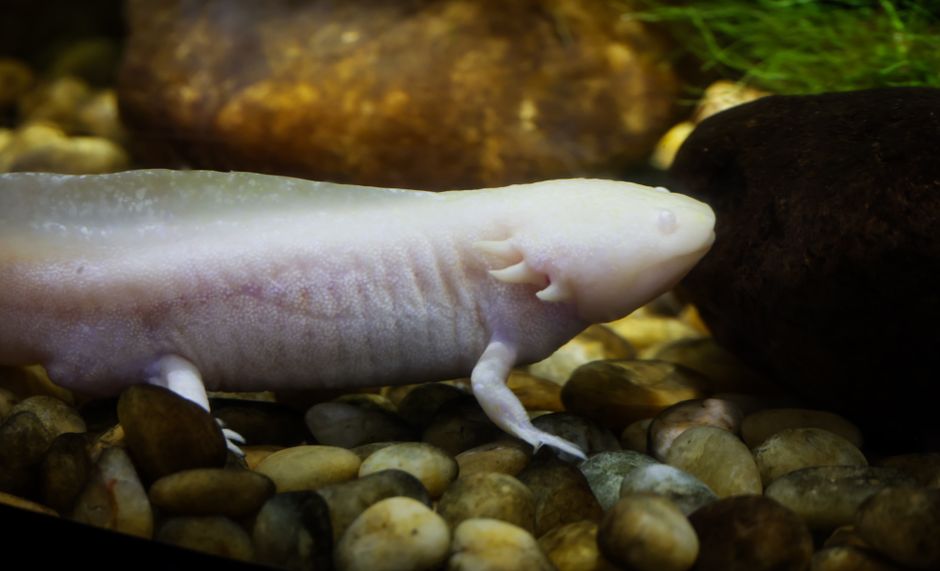
Imagine losing an arm and growing a perfect replacement, complete with bones, muscles, nerves, and skin. For humans, this sounds like science fiction. For the axolotl, it's just another Tuesday. This extraordinary salamander native to Mexico possesses one of nature's most remarkable abilities: axolotl regeneration allows these creatures to regrow entire limbs, portions of their heart, spinal cord, and even parts of their brain. While many animals can heal wounds or regenerate simple tissues, the axolotl stands alone in the animal kingdom for the complexity and completeness of what it can rebuild.

Scientists have studied these aquatic creatures for over a century, hoping to unlock the secrets behind their regenerative powers. What makes the axolotl's ability so fascinating isn't just that it can regrow lost body parts—it's that the new limb is virtually identical to the original, with no scarring and full functionality.

Key Takeaways

  • Axolotls can regenerate entire limbs, portions of their heart, spinal cord, eyes, and even parts of their brain with no scarring.
  • The regeneration process begins within hours of injury, with cells at the wound site forming a structure called a blastema that contains the blueprint for rebuilding.
  • Unlike most amphibians, axolotls remain in their aquatic larval form throughout their lives, a condition called neoteny that may contribute to their regenerative abilities.
  • A single axolotl can regenerate the same limb multiple times throughout its life without any decrease in quality or speed.
  • The species is critically endangered in its natural habitat but thrives in laboratory and captive settings worldwide.
  • Research on axolotl regeneration has implications for human medicine, particularly in understanding tissue repair and organ regeneration.

The Science Behind Axolotl Regeneration and How They Regrow Tissue

When an axolotl loses a limb, its body launches an immediate and coordinated response. Within hours, skin cells migrate to cover the wound. Then something remarkable happens: cells at the injury site lose their specialized identities and revert to a more primitive, stem-cell-like state. These dedifferentiated cells gather to form a blastema, a mass of undifferentiated tissue that serves as the regeneration command center.

The blastema doesn't just patch the wound. It rebuilds the entire missing structure from scratch, following the body's original developmental blueprint. Bone cells become bone. Muscle cells become muscle. Nerve cells reconnect with precision. The process takes weeks to months depending on the size of the injury, but the result is a limb indistinguishable from the original.

What sets axolotls apart from other regenerating animals is the scale and complexity. While lizards can regrow tails and starfish can regrow arms, these regenerated parts often lack the original's full functionality. Axolotl limbs return with every bone in place, every muscle properly attached, and complete nerve connections that restore sensation and movement. The regenerated limb even has the correct number of digits in the proper arrangement.

Why Axolotls Have This Extraordinary Ability

Scientists believe several factors contribute to the axolotl's regenerative prowess. One key element is their neotenic lifestyle. Most amphibians undergo metamorphosis, transforming from aquatic larvae into terrestrial adults. Axolotls skip this step, retaining their juvenile features throughout life, including external gills and a fully aquatic habitat. This perpetual youth may keep regenerative pathways active that other species lose during maturation.

Their immune system also plays a role. Unlike mammals, whose immune responses can create scar tissue that blocks regeneration, axolotls mount a more measured inflammatory response. Their immune cells help clean up damaged tissue without overwhelming the regeneration process. Scar tissue, which in mammals prevents proper regrowth, simply doesn't form in axolotls.

Genetic factors matter too. The axolotl genome is massive—roughly ten times larger than the human genome—and contains unique genes that regulate cell growth and differentiation during regeneration. Some of these genes exist in humans but remain inactive or function differently. Understanding how axolotls activate and control these genetic pathways could someday help humans regenerate damaged tissue.

What Axolotls Can and Cannot Regenerate

The list of body parts an axolotl can regenerate is staggering. Beyond limbs, these creatures can regrow portions of their tail, jaw, and skin. Damage to internal organs triggers regeneration too: they can rebuild sections of their heart, lungs, and even spinal cord after injury. Eye tissue, including the lens and retina, can regenerate following damage. Parts of the brain can also regrow, though the limits of this ability are still being studied.

Even more impressive, axolotls can accept transplanted organs from other axolotls with minimal rejection. Scientists have grafted limbs, eyes, and portions of brain from one individual to another, and the recipient's body integrates the new tissue remarkably well. This tolerance for foreign tissue adds another layer to their regenerative mystique.

Body Part Regeneration Capability Time to Regrow
Limbs Complete regeneration with full functionality 40-50 days
Tail Full regeneration including spinal cord 30-60 days
Heart tissue Can regenerate damaged portions Several weeks
Spinal cord Complete functional recovery after severing 2-3 months
Eyes Lens, retina, and other structures 30-40 days

Conservation Status and Natural Habitat

Wild axolotls face a grim reality. These animals are endemic to a single location: the lake complex of Xochimilco near Mexico City. Habitat destruction, water pollution, and invasive species have decimated wild populations. The International Union for Conservation of Nature lists the species as critically endangered, with some surveys suggesting fewer than a thousand individuals remain in nature.

The irony is stark: while wild axolotls teeter on extinction, captive populations number in the hundreds of thousands. Laboratories, universities, and hobbyists around the world breed axolotls for research and as pets. These captive animals have provided the specimens that fuel regeneration studies, making the axolotl one of the most researched yet most endangered amphibian species on Earth.

Implications for Human Medicine

The ultimate goal of axolotl research extends beyond understanding these fascinating creatures. Scientists hope to identify the molecular switches that trigger regeneration and determine whether similar pathways exist in humans. If researchers can activate dormant regenerative abilities in human cells, the medical applications could be transformative: regenerating damaged heart tissue after heart attacks, repairing severed spinal cords, or even regrowing lost limbs.

Some progress has been made. Studies have identified specific genes and signaling molecules crucial to axolotl regeneration. Researchers have even induced limited regeneration in mammals by manipulating some of these pathways. The road from axolotl to human therapy is long, but these salamanders have already taught us that complex tissue regeneration is biologically possible in vertebrates.

Frequently Asked Questions

How many times can an axolotl regenerate the same limb?

An axolotl can regenerate the same limb dozens of times throughout its life without any apparent limit or decline in regenerative quality. Each regrown limb is structurally and functionally identical to the original.

Do axolotls feel pain when they lose a limb?

While axolotls have nerve endings and can sense damage, their pain response appears different from mammals. The regeneration process begins immediately, and the animals continue normal behavior shortly after limb loss, suggesting their experience of injury differs from ours.

Can axolotls regenerate their brain?

Yes, axolotls can regenerate portions of their brain after injury, including parts of the telencephalon. However, the extent and functional recovery of brain regeneration is still being studied and appears more limited than limb regeneration.

Are axolotls the only animals that can regenerate limbs?

No, several animals can regenerate limbs, including certain salamanders, starfish, and some crustaceans. However, axolotls are exceptional for the speed, completeness, and complexity of their regeneration, producing perfect replicas of lost structures with full functionality.

The axolotl's regenerative abilities challenge our understanding of what's possible in vertebrate biology. These unassuming salamanders, with their feathery gills and permanent smiles, carry within their cells the potential to revolutionize medicine. Whether humans will ever regrow lost limbs remains uncertain, but the axolotl has already proven that nature has solved this problem at least once—and perhaps we can learn to do the same.