










1 / 10 Questions
0 Points

What language does the word piano come from?

Italian

German

French

Spanish

Points won
0
Correct score
0%

More Questions

The Truth About Butterflies Tasting With Their Feet

Butterfly anatomy includes chemoreceptors on their feet that detect sweetness and nutrients. Discover how this unique sensory system helps them find food.

Why Humans Are the Only Animals With Chins

Discover the fascinating human anatomy feature that sets us apart from all other species. Learn why chins evolved exclusively in humans and what they

The Truth About Sharks Being Older Than Saturn’s Rings

Shark history spans 450 million years, predating Saturn's rings by hundreds of millions of years. Discover how ancient sharks really are.

More Articles

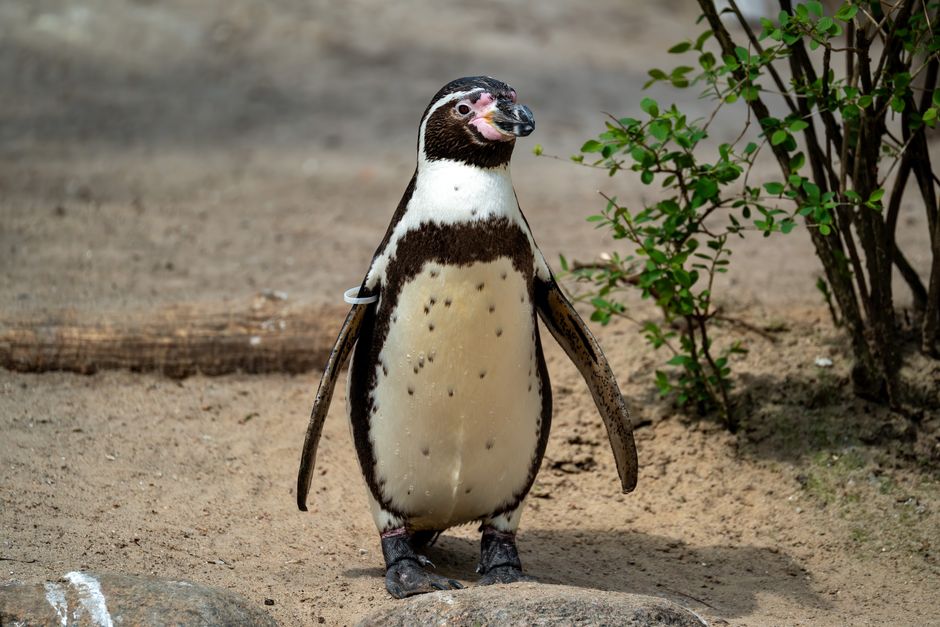
Why Penguins Cannot Taste Sweet Flavors Anymore

Why Penguins Cannot Taste Sweet Flavors Anymore

Why Penguins Cannot Taste Sweet Flavors Anymore

By Trivia Daily, Staff Writer — Published October 4, 2026

Table of Contents

Imagine living in a world where chocolate, fruit, and cake all taste exactly the same as plain water. For penguins, this isn't a hypothetical scenario—it's their reality. These beloved flightless birds have lost the ability to taste sweetness, along with several other flavors most animals take for granted. Scientists have discovered that penguins cannot taste sweet flavors due to genetic mutations that occurred millions of years ago, leaving them with one of the most limited palates in the animal kingdom. This surprising evolutionary quirk reveals fascinating truths about how animals adapt to their environments in unexpected ways.

The story behind this culinary limitation involves genetics, evolution, and the harsh Antarctic environment where many penguin species make their home. What began as a scientific curiosity has become a window into understanding how taste evolves—and sometimes disappears entirely.

Key Takeaways

  • Penguins lack functional genes for tasting sweet, umami, and bitter flavors, leaving them with only sour and salty taste receptors.
  • The loss of taste genes likely occurred between 20 and 37 million years ago, long before modern penguin species evolved.
  • Cold Antarctic temperatures may have contributed to these genetic changes, as taste receptors function poorly in freezing conditions.
  • Penguins swallow fish whole without chewing, making complex taste perception unnecessary for survival.
  • All 18 penguin species share these genetic deletions, suggesting the mutations occurred in their common ancestor.
  • This evolutionary trade-off demonstrates that animals can lose traits that don't contribute to survival advantages.

How Penguins Cannot Taste Most Flavors

Taste perception in vertebrates relies on specific genes that code for taste receptors on the tongue. Humans and most other animals have five basic taste categories: sweet, sour, salty, bitter, and umami (savory). Each category requires functional genes to produce the proteins that detect these flavors.

Genetic analysis has revealed that penguins carry broken or deleted versions of the genes responsible for sweet, umami, and bitter taste reception. These aren't minor mutations—they're complete deletions or frame-shift mutations that render the genes entirely nonfunctional. The Tas1r2 gene, which detects sweet compounds, is missing key segments. The Tas1r1 and Tas1r3 genes, which together form the umami receptor, are similarly compromised. Even the bitter taste receptor genes show extensive damage.

What remains? Penguins retain functional genes for sour and salty tastes. These two flavor categories are sufficient for their survival needs, helping them detect spoiled food (sour) and maintain electrolyte balance (salty).

The Antarctic Connection

Temperature plays a crucial role in this evolutionary mystery. Taste receptors are proteins, and like all proteins, they function best within specific temperature ranges. The taste receptor proteins in most animals work optimally around body temperature—roughly 37 degrees Celsius for mammals.

Penguins inhabit some of Earth's coldest environments. Their mouths and tongues are significantly colder than those of warm-blooded animals living in temperate climates. Research suggests that at these low temperatures, taste receptors simply don't work efficiently. If the receptors weren't providing useful information anyway, evolution had no reason to maintain them.

This creates an interesting feedback loop. Once the genes began to deteriorate through random mutations, there was no selective pressure to preserve them. Penguins that lost taste function had no disadvantage compared to those that retained it, because the cold environment had already made those receptors unreliable.

Eating Without Tasting

The penguin feeding strategy makes elaborate taste perception unnecessary. Unlike humans who chew food and savor flavors, penguins are gulp feeders. They catch fish, squid, and krill, then swallow their prey whole and headfirst. The entire process takes seconds.

This feeding behavior means food spends minimal time in contact with the tongue. Even if penguins had functional taste receptors, they wouldn't extract much flavor information from meals that bypass the taste buds so quickly. Evolution tends to eliminate traits that consume energy without providing benefits, and maintaining unused taste receptors fits that category perfectly.

Interestingly, penguins rely heavily on other senses while hunting. Vision is paramount—they can see clearly underwater and track fast-moving prey. They also use their keen sense of smell to navigate and possibly to identify their chicks among thousands in a crowded colony.

When the Genes Disappeared

Molecular clock analysis—a technique that estimates when genetic changes occurred based on mutation rates—suggests these taste genes became nonfunctional between 20 and 37 million years ago. This timing coincides with major climate shifts that made Antarctica progressively colder and more isolated.

The common ancestor of all modern penguins lived during this period. When the taste genes mutated in that ancestral population, every descendant species inherited the same deletions. This explains why all 18 penguin species, from the tiny Little Blue Penguin to the imposing Emperor Penguin, share the same taste limitations.

Genetic evidence from penguin fossils and living species has allowed researchers to trace these mutations through evolutionary time, creating a clear picture of when and how these birds lost their sense of taste.

Comparison of Taste Abilities Across Species

Species Sweet Sour Salty Bitter Umami
Humans Yes Yes Yes Yes Yes
Penguins No Yes Yes No No
Domestic Cats No Yes Yes Yes Yes
Hummingbirds Yes Yes Yes No Yes
Dolphins No No Yes No No

Frequently Asked Questions

Do penguins have taste buds at all?

Yes, penguins have taste buds, but they possess far fewer than most birds—typically only a few dozen compared to thousands in humans. These remaining taste buds can detect sour and salty flavors but lack the receptors for sweet, bitter, and umami tastes.

Can any other animals not taste sweetness?

Several carnivorous animals have lost the ability to taste sweetness, including domestic cats, sea lions, and some dolphin species. These animals evolved on meat-based diets where detecting sugars provided no survival advantage, leading to the loss of sweet taste receptor genes.

Would a penguin enjoy eating candy or fruit?

No, penguins would derive no pleasure from sweet foods because they lack the biological equipment to detect sweetness. Candy or fruit would taste bland to them, providing only texture and possibly salty or sour notes if those compounds were present.

Is this taste loss harmful to penguins?

Not at all. The loss of taste perception has no negative impact on penguin survival or health. Their diet consists entirely of marine animals that they swallow whole, making elaborate taste discrimination unnecessary. Evolution preserved only the taste abilities that serve practical purposes in their environment.

The penguin's simplified palate reminds us that evolution isn't about perfection—it's about what works. In the icy waters of Antarctica, the ability to catch fish matters infinitely more than the ability to savor them. Next time you enjoy the complex flavors of your favorite meal, spare a thought for these remarkable birds who experience food in a fundamentally different way, yet thrive all the same.
Why Hair Turns Gray: The Melanin Depletion Science

Why Hair Turns Gray: The Melanin Depletion Science

Why Hair Turns Gray: The Melanin Depletion Science

By TriviaOwl, Staff Writer — Published August 18, 2026

Table of Contents

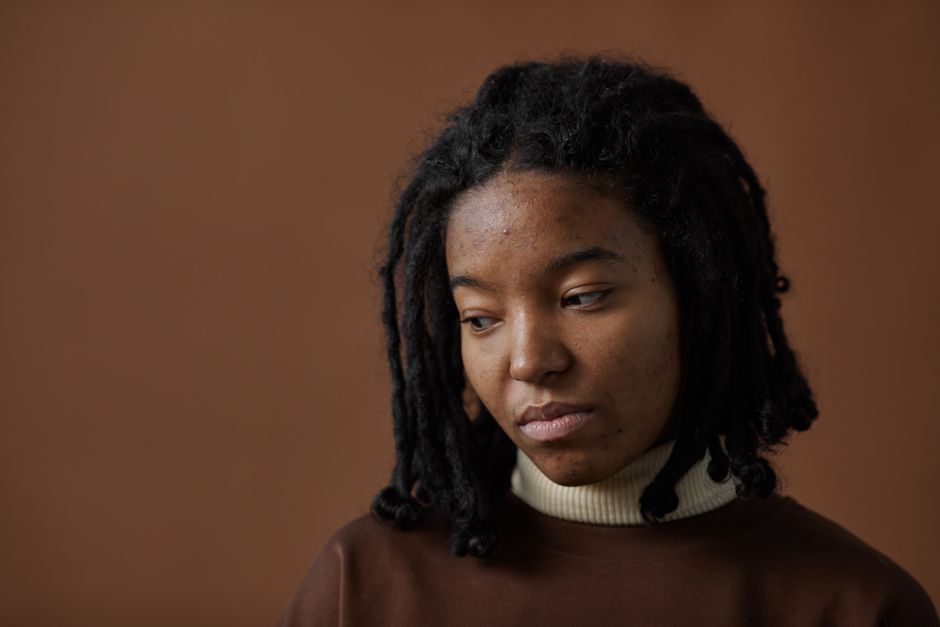
Every strand of hair on your head owes its color to tiny cellular factories working around the clock. When those factories shut down, gray hair appears—a visible marker of one of the body's most fascinating biological processes. Discover the surprising science behind why hair turns gray, and you'll find it's not quite what most people think.

The transformation from pigmented to gray isn't actually about hair changing color at all. It's about hair losing color entirely, one follicle at a time, in a process that scientists have only recently begun to fully understand.

Key Takeaways

  • Gray hair is actually colorless—it appears gray because colorless strands mix with pigmented ones, creating an optical illusion.
  • Melanocytes, the cells that produce hair pigment, gradually die off or stop functioning as we age, depleting melanin production in hair follicles.
  • Most people begin noticing gray hair in their 30s, though genetics can trigger the process much earlier or delay it significantly.
  • Hydrogen peroxide naturally builds up in hair follicles with age, bleaching hair color from the inside out.
  • Stress may accelerate graying by damaging stem cells that regenerate pigment-producing melanocytes.
  • Once a hair follicle stops producing melanin, the change is typically permanent—the follicle won't resume making pigmented hair.

The Melanin Factory Inside Every Hair Follicle

Hair color begins deep within each follicle, where specialized cells called melanocytes manufacture melanin. These pigment-producing cells inject melanin into growing hair strands, much like a printer applying ink to paper. Two types of melanin determine your natural shade: eumelanin creates brown and black tones, while pheomelanin produces red and yellow hues. The ratio and concentration of these pigments create the entire spectrum of human hair colors.

Each follicle operates independently. When melanocytes in a particular follicle stop producing melanin—whether through cellular death, exhaustion, or dysfunction—that follicle begins growing colorless hair. The strand isn't technically gray; it's transparent. The gray appearance results from light scattering off the colorless strand and mixing visually with surrounding pigmented hairs.

Melanocytes don't live forever. Like all cells, they have a limited lifespan and eventually die. What makes hair graying particularly interesting is that melanocyte stem cells, which normally regenerate new pigment-producing cells, also decline with age. When the stem cell reservoir depletes, the follicle loses its ability to manufacture fresh melanocytes. No melanocytes means no melanin, and no melanin means colorless hair.

The Hydrogen Peroxide Bleach Effect

Your hair follicles contain a surprising chemical: hydrogen peroxide, the same substance used to bleach hair in salons. In small amounts, the body easily breaks down this compound using the enzyme catalase. But as we age, catalase production decreases while hydrogen peroxide accumulates. The buildup essentially bleaches hair from within, destroying melanin and contributing to the graying process.

This internal bleaching works slowly but relentlessly. Younger follicles maintain a healthy balance, neutralizing hydrogen peroxide before it causes damage. Older follicles lack sufficient catalase to keep up, allowing the compound to accumulate to levels that interfere with melanin synthesis. The process represents one of several biochemical changes that collectively produce gray hair.

Genetics Determines Your Graying Timeline

Why do some people go gray in their twenties while others retain color into their sixties? Genetics plays the dominant role. Scientists have identified several genes associated with hair graying, including IRF4, which influences melanin production and distribution. If your parents grayed early, you're statistically likely to follow the same pattern.

Ethnicity also influences graying timelines, though individual variation remains substantial. Studies suggest that on average, people of European descent begin graying in their mid-30s, those of Asian descent in their late 30s, and people of African descent in their mid-40s. These are broad averages with countless exceptions—plenty of people gray much earlier or later than these benchmarks.

Premature graying, typically defined as graying before age 20 in people of European ancestry or before 30 in those of African ancestry, affects a small percentage of the population. Medical conditions including vitiligo, thyroid disorders, and vitamin B12 deficiency can trigger early graying, though most cases simply reflect genetic inheritance.

Stress, Myths, and Scientific Reality

Can stress really turn your hair gray overnight? The short answer: no. The popular image of someone's hair whitening from shock belongs to fiction, not biology. Hair that's already grown cannot change color—the pigment is permanently embedded in the strand. Only new growth from the follicle reflects changes in melanin production.

However, stress may accelerate the graying process over time. Recent research on mice has shown that intense stress can deplete melanocyte stem cells in hair follicles. The stress hormone response activates these stem cells prematurely, causing them to differentiate into melanocytes faster than normal. This depletes the stem cell reserve more quickly, potentially speeding up the timeline of graying.

The condition known as diffuse alopecia areata offers one explanation for "overnight graying" stories. This disorder causes sudden loss of pigmented hair while sparing gray hair, creating the illusion that someone's hair turned gray rapidly. In reality, the gray hair was already present—the pigmented hair simply fell out, revealing what remained.

Comparing Hair Pigmentation Across Species

Species Graying Pattern Notable Feature
Humans Gradual, follicle-by-follicle over decades Highly variable timing based on genetics
Chimpanzees Graying in older individuals, especially around face Similar melanin depletion process to humans
Dogs Muzzle and face gray first, typically after age 5-7 Stress and anxiety may accelerate canine graying
Horses Some breeds gray progressively from birth onward Gray horses are born dark and lighten with age

The Irreversibility Question

Once a follicle stops producing melanin, can it ever start again? In most cases, no. The loss of melanocyte stem cells typically represents a permanent change. However, rare cases of "spontaneous repigmentation" have been documented, where gray hairs regain color. These unusual instances may occur when some melanocyte stem cells survive and somehow reactivate, though scientists don't fully understand the mechanism.

Certain medical treatments can temporarily restore hair color. Addressing underlying deficiencies—particularly vitamin B12 or thyroid hormone—sometimes reverses premature graying caused by those conditions. But age-related graying from melanocyte depletion remains effectively permanent with current medical knowledge.

Frequently Asked Questions

Does plucking gray hairs cause more to grow?

No, this is a persistent myth. Plucking a gray hair simply removes that strand—the follicle will grow another colorless hair if its melanocytes are depleted, or a pigmented one if they're still functioning. You cannot increase the number of gray hairs by plucking.

At what age do most people start going gray?

Most people notice their first gray hairs in their 30s, though the timeline varies widely based on genetics and ethnicity. The "50-50-50 rule" suggests that by age 50, about 50 percent of people have roughly 50 percent gray hair, though this is a rough generalization.

Can diet prevent gray hair?

A balanced diet supports overall hair health, and deficiencies in certain nutrients (particularly B vitamins and copper) can contribute to premature graying. However, diet cannot prevent the age-related melanocyte depletion that causes typical graying. Proper nutrition may optimize your genetic timeline but won't override it.

Why does body hair gray differently than scalp hair?

Different hair follicles age at different rates. Scalp hair typically grays first, followed by facial hair, with body hair often graying last. Each follicle operates independently with its own melanocyte population, so the graying process unfolds unevenly across the body.

The next time you spot a silver strand, you're witnessing a microscopic factory shutting down after years of faithful service. That colorless hair represents the end of a cellular production line that colored thousands of strands before it—a small but visible reminder of the complex biological machinery operating just beneath your scalp.