










1 / 10 Questions
0 Points

What republic joined the U.S. as the 28th state in 1845?

Florida

Texas

California

Vermont

Points won
0
Correct score
0%

More Questions

9 Bizarre Facts About Mantis Shrimp Seeing Colors

Mantis shrimp possess the most complex eyes in nature with 16 color receptors. Discover how their vision works and why it defies expectations.

What Actually Causes The Boom Of Thunder?

What Actually Causes The Boom Of Thunder? Question 1: What Actually Causes The Boom Of Thunder? A. Ice crystals shattering B. Lightning rapidly heating the air C. Clouds...

The Hidden Story of Tardigrades Surviving Outer Space

Tardigrade survival in the vacuum of space defies biology. Discover the remarkable adaptations that let these microscopic animals endure extreme

More Articles

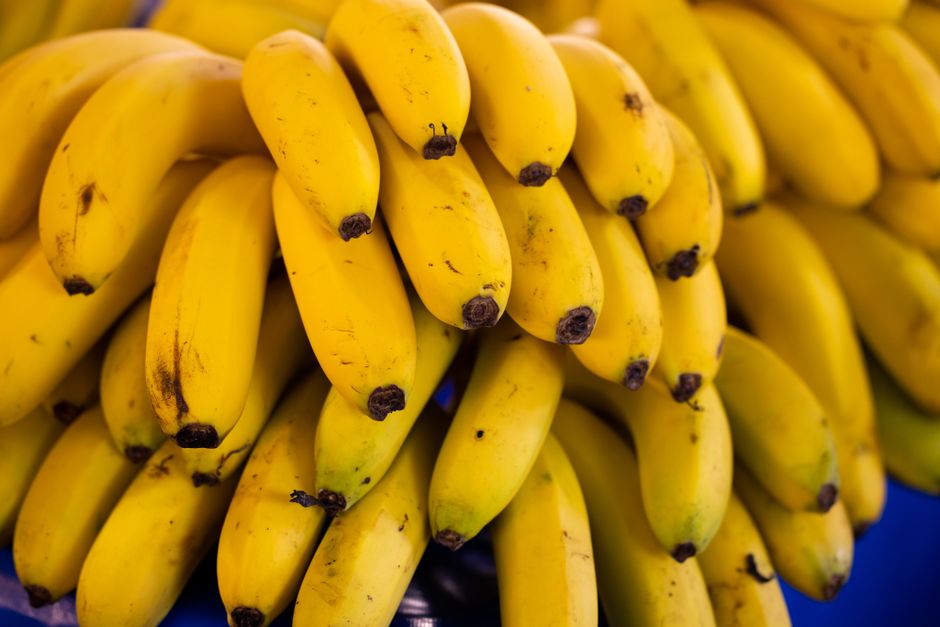
Why Bananas Are Radioactive and Perfectly Safe to Eat

Why Bananas Are Radioactive and Perfectly Safe to Eat

Why Bananas Are Radioactive and Perfectly Safe to Eat

By Trivia Owl, Staff Writer — Published September 26, 2026

Table of Contents

Every banana you've ever eaten has been radioactive. This surprising trivia isn't a cause for alarm—it's a fascinating glimpse into the natural world around us. Bananas are radioactive because they contain potassium, and a tiny fraction of all potassium on Earth is radioactive. The amazing part? You'd need to eat millions of bananas in one sitting to experience any harm. This curious fact about everyday fruit opens the door to discover how radiation exists all around us, in our food, our bodies, and even the air we breathe.

Understanding why bananas are radioactive and perfectly safe reveals one of nature's most interesting paradoxes: radiation is everywhere, yet most of it poses no danger whatsoever. The story behind radioactive bananas combines chemistry, physics, and the reassuring truth that our bodies have evolved to handle the natural radiation we encounter daily.

Key Takeaways

  • Bananas contain potassium-40, a naturally occurring radioactive isotope that makes them measurably radioactive.
  • The "banana equivalent dose" is a real unit scientists use to communicate low levels of radiation exposure to the public.
  • You would need to eat approximately 10 million bananas at once to receive a fatal radiation dose.
  • Your own body is more radioactive than a single banana due to the potassium, carbon-14, and other isotopes you naturally contain.
  • Natural background radiation from soil, rocks, cosmic rays, and food contributes far more to your annual exposure than any banana consumption.
  • The human body maintains strict potassium balance, quickly eliminating excess through urine regardless of banana intake.

The Potassium Connection: Why Bananas Are Radioactive and Perfectly Natural

Potassium is essential for life. Every cell in your body depends on it to function properly, from nerve signals to muscle contractions. Bananas are famously rich in potassium, which is exactly what makes them radioactive. About 0.012% of all naturally occurring potassium is potassium-40, an isotope with an unstable nucleus that decays over time, releasing radiation in the process.

This isn't unique to bananas. Any food high in potassium—including sweet potatoes, spinach, white beans, avocados, and Brazil nuts—contains the same radioactive isotope. Bananas simply became the poster child for edible radiation because they're common, portable, and contain a consistent, measurable amount of potassium-40. A typical banana contains about 450 milligrams of potassium, of which roughly 0.05 milligrams is the radioactive variety.

The radiation emitted is primarily beta particles and gamma rays, both forms of ionizing radiation. But the dose is extraordinarily small. A single banana delivers approximately 0.1 microsieverts of radiation—a measurement so tiny it requires scientific notation to appreciate. For context, a chest X-ray delivers about 100 microsieverts, making it equivalent to eating 1,000 bananas in terms of radiation exposure.

The Banana Equivalent Dose: When Scientists Get Creative

Nuclear engineers and health physicists face a communication challenge: how do you explain radiation doses to people unfamiliar with sieverts, grays, or rems? Enter the banana equivalent dose, an informal unit that compares radiation exposure to eating a single banana. While not used in official scientific literature, this concept helps illustrate that low-level radiation is part of everyday life.

The banana equivalent dose works because it's relatable. Telling someone they received 5 microsieverts from a dental X-ray might not resonate, but saying it's like eating 50 bananas suddenly makes sense. The comparison humanizes an abstract concept and provides much-needed perspective on what constitutes dangerous versus negligible radiation.

However, the analogy has limitations. Your body doesn't accumulate potassium-40 from bananas because it maintains tight homeostatic control over potassium levels. Eat a banana, and your kidneys will excrete an equivalent amount of potassium in your urine within hours. This means banana radiation doesn't build up over time—each banana is a zero-sum game for your body's radioactivity.

How Radioactive Are You?

Here's a mind-blowing truth: you are more radioactive than a banana. The average human body contains about 140 grams of potassium, meaning you're carrying around 16 milligrams of potassium-40 at any given moment. That's roughly 280 times more radioactive potassium than a single banana contains.

But potassium-40 isn't your only internal radiation source. Carbon-14, another naturally occurring radioactive isotope, exists in every carbon-based molecule in your body. Your DNA, proteins, and fats all contain trace amounts of this isotope, which is constantly created in the atmosphere by cosmic rays and absorbed through the food chain. Together, these natural isotopes make the human body emit approximately 4,000 to 5,000 beta particles every second.

This internal radiation has been part of life on Earth for billions of years. Our cells have evolved sophisticated DNA repair mechanisms to fix the occasional damage caused by radioactive decay. The dose is so low and so constant that it's considered part of the baseline against which all other radiation exposures are measured.

Comparing Natural Radiation Sources

Source Approximate Dose (microsieverts) Banana Equivalents
One banana 0.1 1
Sleeping next to someone for 8 hours 0.05 0.5
Living in a brick house for one year 70 700
Round-trip flight New York to Los Angeles 40 400
Annual background radiation (U.S. average) 3,000 30,000
Chest X-ray 100 1,000

Why You Can't Get Radiation Poisoning from Bananas

The dose makes the poison. Radiation becomes dangerous when it's intense enough or sustained enough to damage cells faster than your body can repair them. Acute radiation sickness requires exposure of at least 1 million microsieverts over a short period. To reach that threshold from bananas alone, you'd need to eat roughly 10 million bananas immediately.

Physical impossibility aside, your body's potassium regulation would prevent accumulation long before radiation became an issue. Hyperkalemia—dangerously high potassium levels in the blood—would occur after eating just a few hundred bananas in rapid succession, causing cardiac arrest well before radiation poisoning could develop. Nature has built-in safeguards that make banana-induced radiation exposure essentially impossible.

The radioactive decay of potassium-40 has a half-life of 1.25 billion years, meaning it decays extremely slowly. This glacial pace ensures that the radiation released at any given moment is minimal. By the time all the potassium-40 in a banana has decayed, the Earth will be unrecognizable, the Sun will have expanded into a red giant, and humanity will have long since vanished or evolved into something unimaginable.

Frequently Asked Questions

Are organic bananas less radioactive than conventional bananas?

No. Radioactivity in bananas comes from naturally occurring potassium-40, which exists in all potassium regardless of farming methods. Organic and conventional bananas contain essentially identical amounts of radioactive material.

Can radiation detectors actually detect a banana?

Yes. Sensitive radiation detectors can measure the gamma rays emitted by potassium-40 in bananas. Truckloads of bananas have occasionally triggered radiation alarms at border crossings and security checkpoints designed to detect smuggled radioactive materials.

What food is the most radioactive?

Brazil nuts are significantly more radioactive than bananas due to high concentrations of radium absorbed from the soil. A single Brazil nut can deliver up to 10 times more radiation than a banana, though still a perfectly safe amount.

Does cooking a banana reduce its radioactivity?

No. Cooking doesn't change the atomic structure of potassium-40. Whether raw, baked, fried, or blended, bananas retain the same level of natural radioactivity because the isotope remains stable through heat and processing.

The radioactive banana reminds us that radiation isn't always the invisible monster portrayed in popular culture. It's woven into the fabric of existence, from the potassium in our muscles to the cosmic rays streaming down from space. Every breath, every meal, every moment of life on this planet involves tiny amounts of radiation that our bodies handle effortlessly. That humble banana sitting on your counter isn't just a convenient snack—it's a tiny ambassador from the atomic world, perfectly safe and quietly decaying one nucleus at a time.
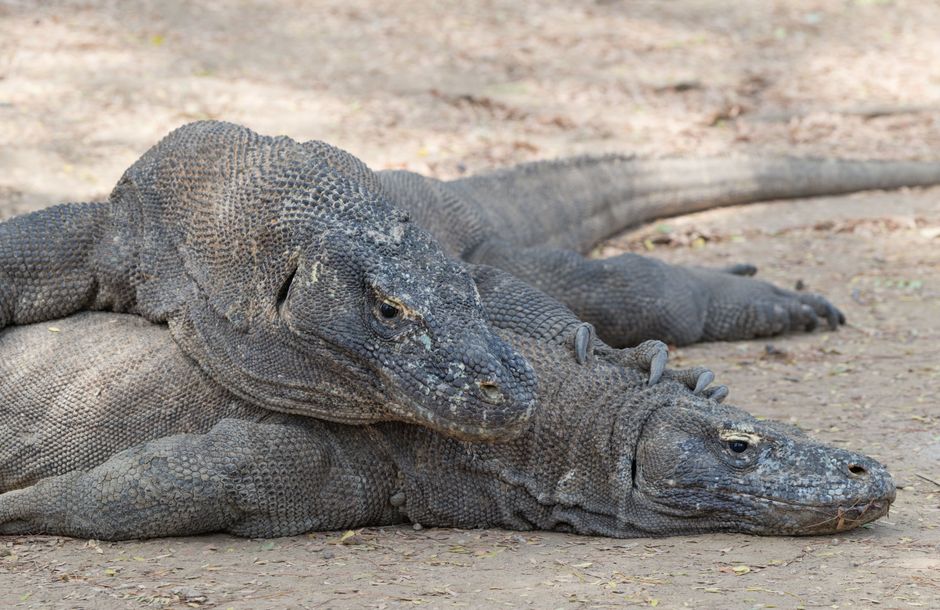
The Truth About Dragons Existing in Komodo Island Today

The Truth About Dragons Existing in Komodo Island Today

The Truth About Dragons Existing in Komodo Island Today

By Trivia Owl, Staff Writer — Published October 27, 2026

Table of Contents

Dragons are real. Not the fire-breathing, treasure-hoarding creatures of medieval legend, but living, breathing apex predators that stalk the volcanic islands of Indonesia. The Komodo dragon, discovered by Western science only in the early 20th century, is the world's largest living lizard and a startling reminder that our planet still harbors surprising megafauna. When you explore the truth about dragons existing on Komodo Island today, you discover a creature whose venom, hunting prowess, and sheer size rival the most amazing beasts of myth.

These massive reptiles can grow to ten feet in length and weigh more than 150 pounds, with serrated teeth and a bite capable of bringing down water buffalo. Their existence proves that sometimes reality delivers creatures as fascinating as any legend.

Key Takeaways

  • Komodo dragons are the world's largest living lizards, reaching lengths of up to ten feet and weights exceeding 150 pounds.
  • They hunt using a combination of powerful jaws, serrated teeth, and toxic venom that prevents blood clotting in prey.
  • These "dragons" are found only on a handful of Indonesian islands, including Komodo, Rinca, Flores, and Gili Motang.
  • Komodo dragons can consume up to 80 percent of their body weight in a single feeding and survive on as few as 12 meals per year.
  • Female Komodo dragons are capable of parthenogenesis, reproducing without male fertilization in rare circumstances.
  • The species has existed in its current form for millions of years, making it a living link to the age of giant reptiles.

The Truth About Dragons Existing: From Myth to Scientific Discovery

For centuries, sailors and traders brought back tales of enormous lizards inhabiting remote Indonesian islands. Local communities had long known about these creatures, calling them "ora" or "land crocodiles." Western scientists remained skeptical until the early 1900s, when expeditions confirmed the existence of these remarkable reptiles. The scientific name Varanus komodoensis was assigned, but "Komodo dragon" captured popular imagination and stuck.

The dragon's range is remarkably limited. These predators inhabit only a few small islands in Indonesia's Lesser Sunda archipelago, with the largest populations on Komodo and Rinca islands. This restricted habitat makes them vulnerable, and conservation efforts have become critical to their survival. Komodo National Park, established in 1980 and later designated a UNESCO World Heritage Site, protects both the dragons and their island ecosystem.

What makes these creatures so dragon-like extends beyond their size. Their forked tongues flicker constantly, sampling the air for chemical signals. They can detect carrion from several miles away, using their extraordinary sense of smell to locate dead or dying animals. This ability, combined with their patient hunting style, makes them supremely adapted ambush predators.

Venom, Not Bacteria: Busting a Common Myth

For decades, scientists believed Komodo dragons killed primarily through bacterial infection. The theory held that their mouths harbored such virulent bacteria that even survivors of attacks would succumb to sepsis within days. This explanation seemed logical given the dragons' scavenging habits and the gruesome fates of their prey.

Research published in the early 21st century overturned this long-held belief. Scientists discovered that Komodo dragons possess venom glands in their lower jaws that secrete anticoagulants and compounds that induce shock and prevent blood clotting. The "toxic bite" isn't from bacteria at all—it's genuine venom, similar in function to that of some snakes. While bacteria may play a secondary role in some prey deaths, the primary mechanism is sophisticated biochemical warfare.

This discovery elevated Komodo dragons from mere scavengers with dirty mouths to highly evolved venomous predators. The venom allows them to bite prey once, then follow at a leisurely pace as the animal weakens from blood loss and shock. It's an energy-efficient hunting strategy perfected over millions of years.

Living Giants: Size, Diet, and Behavior

Male Komodo dragons typically outsize females, with the largest verified specimens measuring just over ten feet from snout to tail. Their muscular bodies, covered in rough, armor-like scales embedded with tiny bones called osteoderms, provide both protection and sensory information. The tail, nearly as long as the body, serves as a weapon and counterbalance during pursuit.

These reptiles are opportunistic carnivores with diverse diets. Young dragons hunt insects, small reptiles, and birds, often climbing trees to escape cannibalistic adults. As they grow, their prey size increases dramatically. Adults take deer, wild pigs, water buffalo, and even horses. They're also enthusiastic scavengers, able to locate and consume carrion across vast distances.

Characteristic Komodo Dragon Comparison
Maximum Length 10+ feet (3+ meters) Longer than most adult humans are tall
Maximum Weight 150+ pounds (70+ kg) Similar to an adult human
Top Speed 12 mph in short bursts Faster than most humans can sprint
Bite Force Moderate jaw strength + venom Strategy over pure power
Lifespan 30+ years in wild Comparable to many large mammals

Their metabolism is remarkably efficient. After gorging on a large kill, a Komodo dragon can survive for weeks or even months without eating again. This adaptation suits their island environment, where prey availability fluctuates seasonally.

Reproduction and the Mystery of Virgin Births

Komodo dragons typically reproduce sexually, with males competing violently for mating rights. During breeding season, males engage in ritualized combat, wrestling while standing on their hind legs. The victor earns access to females, while losers retreat to nurse their wounds.

Scientists have documented something truly surprising: female Komodo dragons held in captivity without males have produced viable eggs that hatched into healthy offspring. This process, called parthenogenesis, involves the egg developing without fertilization. Interestingly, parthenogenetic reproduction in Komodo dragons produces only male offspring due to their ZW sex-determination system.

Whether this occurs in wild populations remains uncertain, but the capability represents a potential survival mechanism for isolated individuals. If a single female reaches a new island, she could theoretically establish a population without a mate—though genetic diversity would suffer.

Conservation Status and Modern Threats

Despite their fearsome reputation, Komodo dragons face significant threats. Their limited range makes them vulnerable to habitat loss, natural disasters, and climate change. Rising sea levels pose a particular danger to these low-lying islands. The species is currently classified as Endangered by conservation organizations.

Human-wildlife conflict occasionally occurs when dragons enter villages or attack livestock. Tourism, while providing economic incentive for conservation, must be carefully managed to avoid disturbing breeding populations or habituating dragons to human presence. Park rangers work to balance protection with sustainable tourism that funds conservation efforts.

Illegal poaching and wildlife trafficking remain concerns, though Indonesian law strictly protects the species. International cooperation and local community engagement have proven essential to conservation success. The dragons have become a symbol of Indonesian natural heritage and a flagship species for broader conservation initiatives.

Frequently Asked Questions

Are Komodo dragons actually related to mythological dragons?

No direct relationship exists between Komodo dragons and dragon mythology, which predates their scientific discovery. However, ancient peoples may have encountered similar large reptiles, and fossils of extinct giant lizards could have inspired dragon legends across various cultures.

Can Komodo dragons really kill humans?

Fatal attacks on humans are rare but documented. Komodo dragons are wild predators capable of killing animals much larger than humans, and their venom makes even minor bites medically serious. Park visitors are required to maintain safe distances and follow ranger guidance.

How long have Komodo dragons existed?

Fossil evidence suggests the Komodo dragon lineage extends back roughly four million years, with the species in its modern form existing for at least one million years. They represent an ancient reptilian lineage that has survived numerous climate changes and extinction events.

Why are they found only on a few Indonesian islands?

Komodo dragons likely evolved on these islands or nearby landmasses when sea levels were lower, then became isolated as waters rose. Their limited swimming ability and specific habitat requirements prevented expansion to other regions, making them endemic to this small island chain.

The Komodo dragon stands as proof that Earth still harbors creatures worthy of legend—living dragons that stalk volcanic islands, hunt with venom, and reproduce through means that seem almost magical. In protecting these ancient reptiles, we preserve not just a species, but a living connection to a world where giants once walked, and where the line between myth and reality remains beautifully blurred.