











1 / 10 Questions
0 Points

What famous structure was built upside down by accident?

The Leaning Tower of Pisa

The Eiffel Tower

The Space Needle

The Gateway Arch

Points won
0
Correct score
0%

More Questions

What is the capital city of France?

What is the capital city of France? Question 1: What is the capital city of France? A. Berlin B. Rome C. Paris D. London Explanation: Paris is the capital and...

What famous structure was built upside down by accident?

What famous structure was built upside down by accident? Question 1: What famous structure was built upside down by accident? A. The Leaning Tower of Pisa B....

More Articles

Top 10 The Siren Mysteries

Top 10 The Siren Mysteries

⏱️ 6 min read

Top 10 The Siren Mysteries: Unveiling the Enigmas of the Sea's Most Alluring Creatures

Throughout history, sirens have captivated human imagination as some of mythology's most enigmatic and dangerous creatures. These mysterious beings, known for luring sailors to their doom with enchanting voices and beauty, have left behind numerous unanswered questions that continue to intrigue scholars, mythologists, and enthusiasts alike. From their true origins to their symbolic meanings, the mysteries surrounding sirens remain as deep and unfathomable as the waters they inhabit. Here are the top ten mysteries that continue to puzzle those who study these legendary creatures.

1. The True Physical Form of Sirens

One of the most perplexing mysteries surrounding sirens is their actual appearance. Ancient Greek sources originally described sirens as bird-women hybrids, featuring the head of a woman and the body of a bird. However, later medieval and Renaissance depictions transformed them into the familiar mermaid-like figures with fish tails that dominate modern imagination. This dramatic shift in representation raises questions about whether different cultures encountered different creatures, or if the mythology simply evolved over time. The reason for this transformation remains unclear, with theories ranging from confusion with other mythological beings to deliberate artistic reinterpretation.

2. The Origin of Their Deadly Song

The supernatural power of the siren's song is legendary, yet its source remains mysterious. Ancient texts describe their voices as irresistibly beautiful, capable of overwhelming even the strongest-willed sailors. Questions persist about whether this power was innate, a gift from the gods, or perhaps a curse. Some legends suggest their musical abilities were granted by the Muses, while others propose they learned their craft from the god Apollo himself. The true nature of what made their songs so fatally attractive—whether magical compulsion or merely perfect beauty—continues to be debated among mythological scholars.

3. Their Connection to the Muses

The relationship between sirens and the Muses presents another intriguing mystery. Some ancient sources suggest sirens were companions or even daughters of the Muses, while others portray them as rivals who challenged these divine patrons of the arts. One legend tells of a singing contest between sirens and Muses that resulted in the sirens losing their wings as punishment for their hubris. The exact nature of this relationship and how these musical beings transitioned from potential allies of the divine to dangerous monsters remains an unresolved question in classical mythology.

4. The Number and Names of the Sirens

Ancient sources cannot agree on how many sirens existed or what their names were. Some texts mention two sirens, others three, and some accounts describe as many as five or more. Various names appear across different sources, including Parthenope, Ligeia, Leucosia, Thelxiope, and Aglaopheme, among others. This inconsistency raises questions about whether multiple groups of sirens existed in different locations, or if the mythology simply evolved differently across various regions and time periods. The lack of consensus on such basic facts adds to the mysterious nature of these creatures.

5. Their Island Location

The precise location of the sirens' island home remains one of mythology's great geographical mysteries. Ancient texts place them somewhere between Italy and Sicily, with some identifying their lair as the rocky islets called Sirenuse or Li Galli. However, the vague descriptions and mythological nature of these accounts make it impossible to determine if a real location inspired the legends. Some scholars believe the dangerous waters and rocky outcrops of the Mediterranean coast gave rise to stories of singing creatures luring sailors to their doom, but the exact spot remains elusive.

6. The Fate of Their Victims

While it is well established that sirens lured sailors to destruction, the exact fate of their victims remains unclear. Some accounts suggest sailors simply crashed their ships on the rocks surrounding the sirens' island while trying to reach the source of the enchanting music. Other versions imply more sinister outcomes, with sirens actively devouring their victims or keeping them captive until death. The ambiguity about whether sirens were merely indirect causes of death or active predators adds to their terrifying mystique and leaves room for various interpretations of their true nature.

7. Why They Targeted Sailors Specifically

The sirens' exclusive focus on maritime victims presents an interesting mystery. Unlike many other dangerous creatures in mythology that threaten anyone who crosses their path, sirens specifically targeted sailors at sea. Theories about this selective predation range from practical explanations—their island location naturally limited them to seafaring prey—to symbolic interpretations suggesting they represented the dangers and temptations that specifically threatened travelers and explorers. Some scholars propose they symbolized the seductive call of foreign lands that could lead men to abandon their homes and duties.

8. The Prophecy of Their Death

According to ancient legends, sirens were destined to die if any mortal successfully resisted their song and sailed past their island unharmed. This prophecy raises numerous questions: Why would such powerful supernatural beings have this vulnerability? Who decreed this fate? The story of Odysseus, who heard their song while bound to his ship's mast and survived, supposedly fulfilled this prophecy, yet accounts differ on whether the sirens actually perished. Some versions describe them throwing themselves into the sea in despair, while others make no mention of their demise, leaving their ultimate fate ambiguous.

9. Their Symbolic Meaning and Purpose

The deeper symbolic significance of sirens in ancient Greek culture remains a subject of scholarly debate. Were they merely cautionary figures warning against temptation, or did they represent something more complex? Some interpretations view them as symbols of dangerous knowledge or forbidden desires, while others see them as representations of the destructive power of art and beauty. Their association with death and the sea has led some scholars to propose connections with funeral rites and the journey to the afterlife, but the original intended meaning behind these creatures continues to generate multiple theories.

10. Their Evolution Across Cultures

Perhaps the greatest mystery is how and why siren mythology transformed so dramatically as it spread across cultures and centuries. From Greek bird-women to medieval mermaids to modern popular culture interpretations, sirens have undergone remarkable changes while maintaining their core characteristic of dangerous allure. The mechanisms behind this cultural evolution—whether through misunderstanding, deliberate reinterpretation, or merging with other mythological traditions—remain partially unexplained. Understanding why certain aspects remained constant while others changed completely could reveal much about how mythology adapts to different cultural needs and values.

Conclusion

The mysteries surrounding sirens reflect the broader enigmas of mythology itself—stories that evolve, transform, and resist simple explanations. From uncertainties about their physical appearance and the source of their power to questions about their symbolic meaning and cultural evolution, sirens continue to fascinate precisely because so much about them remains unresolved. These ten mysteries demonstrate that even well-known mythological figures can harbor deep secrets that challenge our understanding. Whether viewed as cautionary tales, symbolic representations, or simply compelling stories, sirens and their unsolved mysteries continue to call to us across the centuries, much like their legendary songs once called to ancient sailors navigating treacherous seas.
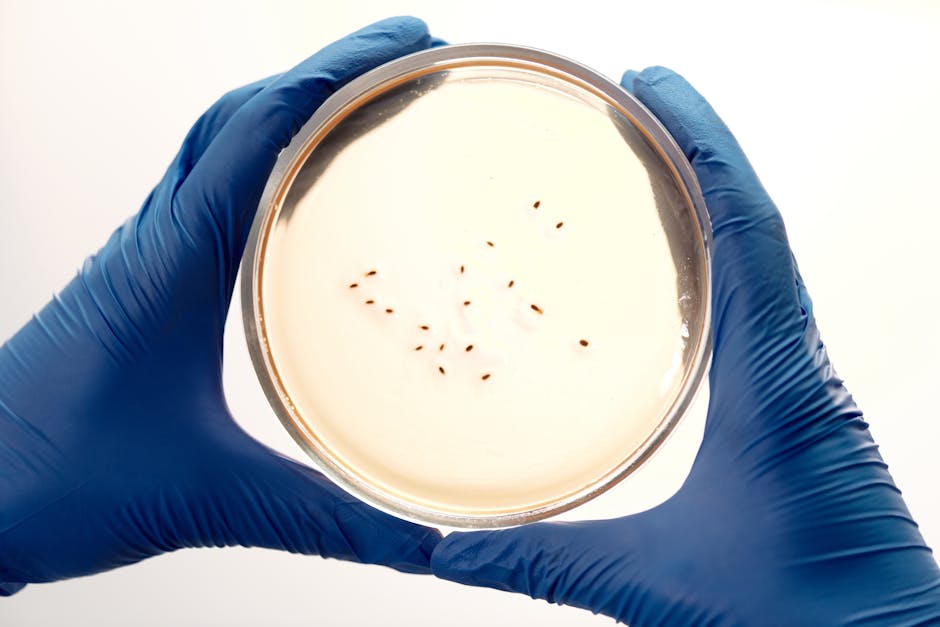
Did You Know? 10 Facts About Cloning

Did You Know? 10 Facts About Cloning

⏱️ 6 min read

Did You Know? 10 Facts About Cloning

Cloning has captivated the scientific community and the public imagination for decades, representing one of the most fascinating and controversial areas of modern biotechnology. From the creation of identical twins in nature to the deliberate replication of organisms in laboratories, cloning encompasses a wide range of techniques and applications. While many people associate cloning exclusively with science fiction or the famous sheep Dolly, the reality of cloning science is far more complex and nuanced. Here are ten fascinating facts about cloning that reveal the depth, diversity, and potential of this remarkable field.

1. Cloning Occurs Naturally in Nature

While cloning is often portrayed as a purely artificial process, nature has been producing clones for millions of years. Identical twins are natural clones, created when a single fertilized egg spontaneously splits into two embryos with identical genetic material. Many plants routinely clone themselves through asexual reproduction methods such as runners, bulbs, and tubers. Certain animals, including some species of lizards, fish, and invertebrates, can reproduce asexually, creating genetic copies of themselves. This natural occurrence of cloning demonstrates that the concept is not inherently unnatural, though human-directed cloning raises unique ethical considerations.

2. There Are Three Main Types of Cloning

Scientific cloning falls into three distinct categories, each with different purposes and methodologies. Reproductive cloning creates a complete, genetically identical organism, such as Dolly the sheep. Therapeutic cloning, also known as somatic cell nuclear transfer, produces embryonic stem cells for research and potential medical treatments without creating a full organism. Gene cloning involves copying specific DNA sequences or genes, which is fundamental to genetic research and biotechnology applications. Understanding these distinctions is crucial for informed discussions about cloning ethics and regulations.

3. Dolly the Sheep Was Not the First Cloned Animal

Although Dolly, born in 1996, became the most famous clone in history, she was not the first animal ever cloned. Scientists successfully cloned tadpoles as early as the 1950s, and sea urchins were cloned in 1885. What made Dolly groundbreaking was that she was the first mammal cloned from an adult somatic cell rather than an embryonic cell. This achievement, accomplished by scientists at the Roslin Institute in Scotland, demonstrated that specialized adult cells could be reprogrammed to create an entire organism, fundamentally changing our understanding of cellular development and potential.

4. Cloned Animals Are Not Perfect Copies

Despite having identical nuclear DNA, cloned animals are not exact replicas of their donors in every way. Environmental factors, random mutations, and epigenetic modifications can create differences in appearance, behavior, and health. Cloned cats, for instance, may have different coat patterns than their genetic donors because fur coloring is influenced by factors beyond nuclear DNA. Additionally, mitochondrial DNA, which comes from the egg cell used in the cloning process, differs from the donor's mitochondrial DNA. These variations demonstrate that genetics alone do not determine every characteristic of an organism.

5. The Success Rate of Cloning Is Remarkably Low

Cloning remains an inefficient process with high failure rates. Only a small percentage of cloning attempts result in live births, and many cloned embryos fail to develop properly or are miscarried. Even when cloning succeeds, the resulting animals often experience health problems, including abnormal organ development, compromised immune systems, and premature aging. Dolly herself developed arthritis at a relatively young age and died at six years old, about half the typical lifespan for her breed. These challenges continue to limit the practical applications of reproductive cloning and fuel ongoing research to improve techniques.

6. Cloning Has Important Agricultural Applications

The agricultural industry has found practical uses for cloning technology, particularly in livestock production. Farmers can clone animals with desirable traits, such as high milk production in dairy cows or superior meat quality in cattle, ensuring consistent quality and productivity. Cloning also helps preserve rare or endangered livestock breeds and can reproduce animals with proven resistance to diseases. While cloned animals themselves are often not used for food production due to cost and regulatory concerns, their offspring are used, potentially improving overall herd genetics and agricultural efficiency.

7. Therapeutic Cloning Holds Medical Promise

One of the most promising applications of cloning technology lies in regenerative medicine and disease research. Therapeutic cloning could potentially create patient-specific stem cells that match a person's genetic makeup, eliminating the risk of immune rejection in transplants. These stem cells might be used to grow replacement tissues or organs, treat degenerative diseases, or study disease processes in the laboratory. While significant technical and ethical challenges remain, therapeutic cloning represents a frontier in personalized medicine that could revolutionize treatment options for conditions ranging from Parkinson's disease to spinal cord injuries.

8. Many Countries Have Banned Human Reproductive Cloning

The prospect of cloning human beings has prompted widespread ethical debate and legislative action worldwide. More than seventy countries have enacted laws prohibiting human reproductive cloning, recognizing concerns about human dignity, individual identity, and potential health risks. International organizations, including the United Nations, have called for bans on human cloning for reproductive purposes. However, regulations vary significantly regarding therapeutic cloning and stem cell research, with some nations permitting these activities under strict oversight while others prohibit them entirely. This patchwork of regulations reflects ongoing societal disagreement about where to draw ethical lines in cloning research.

9. Cloning Technology Aids Conservation Efforts

Scientists are exploring cloning as a tool to preserve endangered species and restore genetic diversity to threatened populations. Several endangered animals have been successfully cloned, including a gaur (an endangered wild ox), a banteng, and a black-footed ferret. While cloning cannot replace habitat conservation and traditional preservation methods, it offers a potential safety net for species on the brink of extinction. Researchers have even created a "frozen zoo" storing tissue samples from endangered and extinct animals, preserving genetic material that might someday be used to resurrect lost species or boost genetic diversity in surviving populations.

10. Gene Cloning Is Essential to Modern Biotechnology

Perhaps the most widely used form of cloning today is gene cloning, which involves isolating and copying specific DNA sequences. This technique is fundamental to producing insulin for diabetes treatment, creating vaccines, conducting genetic research, and developing genetically modified crops. Gene cloning allows scientists to study individual genes in detail, understand their functions, and harness them for beneficial purposes. Unlike reproductive cloning, gene cloning is broadly accepted and has become a routine laboratory procedure that underpins much of modern biological research and pharmaceutical development, touching millions of lives through its medical and agricultural applications.

Conclusion

These ten facts reveal that cloning is far more than a controversial scientific curiosity or science fiction fantasy. From its natural occurrence in identical twins to its sophisticated applications in medicine, agriculture, and conservation, cloning represents a diverse set of technologies with profound implications for society. While reproductive cloning of complex organisms remains inefficient and ethically contentious, other forms of cloning have become essential tools in research and biotechnology. As scientific understanding advances and techniques improve, cloning will continue to challenge our ethical frameworks while offering potential solutions to pressing problems in medicine, food production, and species conservation. Understanding the facts about cloning empowers informed public discourse about how these powerful technologies should be developed and deployed in the future.