










1 / 10 Questions
0 Points

Which Candy Was Originally Called Chicken Feed?

Jelly Beans

Candy Corn

Necco Wafers

Smarties

Points won
0
Correct score
0%

More Questions

9 Record-Breaking Facts About Cheetah Speed and Hunting

Cheetah speed reaches astonishing limits in the wild. Discover nine record-breaking facts about how these big cats hunt and what makes them so fast.

Why Wombats Produce Cube-Shaped Poop: Science Explained

Wombat poop is uniquely cube-shaped due to intestinal elasticity and digestive mechanics. Discover the fascinating science behind this natural phenomenon.

7 Surprising Facts About Medusa and Gorgon Mythology

Discover unexpected truths about Medusa mythology, from her tragic origins to her role in ancient Greek culture. These facts challenge everything you know.

More Articles

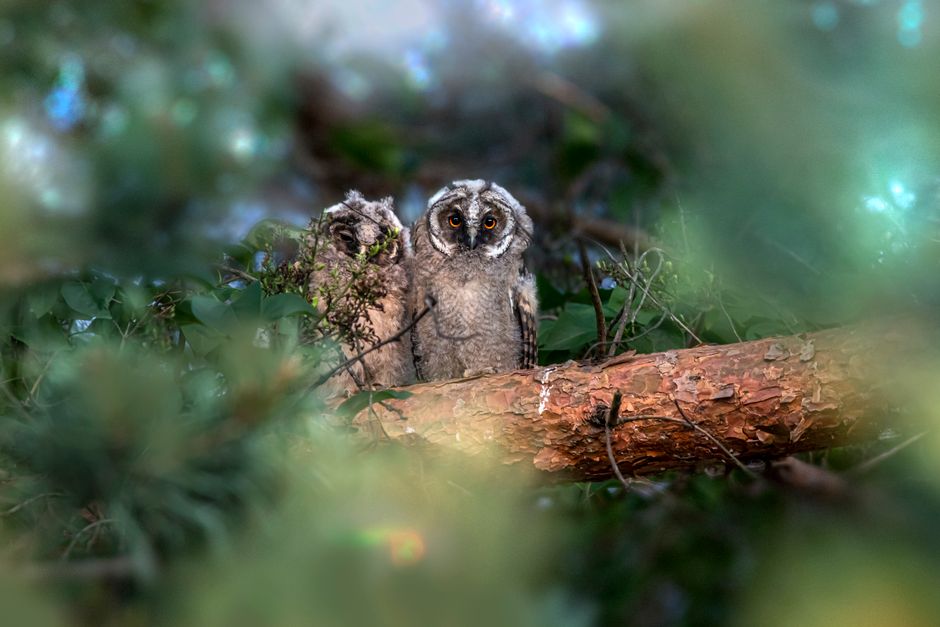
Did You Know? 10 Facts About Owls

Did You Know? 10 Facts About Owls

⏱️ 7 min read

Did You Know? 10 Facts About Owls

Owls have captivated human imagination for centuries, appearing in folklore, mythology, and popular culture as symbols of wisdom, mystery, and nocturnal prowess. These remarkable birds of prey possess an array of extraordinary adaptations that make them some of the most efficient hunters in the animal kingdom. From their silent flight to their incredible hearing abilities, owls are full of surprises. This article explores ten fascinating facts about these enigmatic creatures that demonstrate why they are among nature's most impressive avian species.

1. Owls Cannot Move Their Eyes

Unlike humans and most other animals, owls cannot move their eyes within their sockets. Their eyes are tubular in shape rather than spherical, which provides superior binocular vision but eliminates the ability to move them side to side or up and down. To compensate for this limitation, owls have evolved an extraordinary ability to rotate their heads up to 270 degrees in either direction. This remarkable flexibility is made possible by having fourteen neck vertebrae, twice the number found in humans, along with specialized blood vessel adaptations that prevent them from cutting off blood flow to the brain during extreme rotation.

2. Silent Flight Technology

One of the most incredible adaptations owls possess is their ability to fly almost completely silently. This stealth capability is achieved through three specialized feather modifications. First, the leading edge of their primary wing feathers features a comb-like structure that breaks up turbulence. Second, the trailing edges of their feathers are soft and fringed, which reduces noise even further. Third, their wing feathers have a velvety surface texture that dampens sound. These adaptations allow owls to approach prey without detection, making them devastatingly effective nocturnal hunters. Scientists have even studied owl feathers to develop quieter aircraft, wind turbines, and industrial fans.

3. Asymmetrical Ear Placement

Many owl species have asymmetrically positioned ears, with one ear opening higher than the other on their skull. This unique arrangement provides owls with exceptional sound localization abilities, allowing them to pinpoint prey with remarkable accuracy even in complete darkness. The difference in ear height creates a time delay between when sounds reach each ear, which the owl's brain processes to determine the vertical position of the sound source. Combined with the horizontal positioning of their ears on opposite sides of their head, this adaptation creates a three-dimensional sound map that enables owls to hunt successfully even when they cannot see their prey.

4. Regurgitated Pellets Reveal Diet Secrets

Owls swallow their prey whole or in large chunks, including bones, fur, and feathers. Unlike other birds, owls lack a crop where food can be stored and broken down. Instead, their digestive system separates soft tissues from indigestible materials in their gizzard. The indigestible parts are compressed into tight pellets and regurgitated approximately six to ten hours after eating. These owl pellets have become invaluable tools for scientists and educators, as examining them reveals exactly what the owl has been eating. Researchers can identify prey species by analyzing the bones, skulls, and other remains found within pellets, providing crucial data about local ecosystems and food webs.

5. Not All Owls Are Nocturnal

While most owl species are indeed nocturnal or crepuscular (active at dawn and dusk), several species are diurnal, meaning they hunt during daylight hours. The Snowy Owl, for instance, must be active during the day because it lives in Arctic regions where summer brings twenty-four hours of daylight. Similarly, the Northern Hawk Owl and the Northern Pygmy Owl are both day-active hunters. The Burrowing Owl is cathemeral, meaning it is active both day and night. These variations in activity patterns demonstrate the remarkable adaptability of owls to different environmental conditions and ecological niches across the globe.

6. Extraordinary Range of Sizes

The owl family exhibits an impressive range of sizes, from the tiny Elf Owl to the massive Blakiston's Fish Owl. The Elf Owl, found in the southwestern United States and Mexico, weighs a mere 1.4 ounces and stands about five to six inches tall, making it the world's smallest and lightest owl. At the opposite extreme, the Blakiston's Fish Owl of Russia and Japan can weigh up to 10 pounds with a wingspan exceeding six feet. The Eurasian Eagle Owl, another contender for largest owl, can have a wingspan of nearly seven feet. This size diversity allows different owl species to occupy various ecological niches and hunt different types of prey.

7. Powerful Talons and Crushing Grip Strength

Owls possess incredibly powerful feet and talons that are essential to their hunting success. The Great Horned Owl, one of North America's most formidable predators, can exert a crushing force of approximately 500 pounds per square inch with its talons, which is comparable to the bite force of a large dog. This tremendous gripping strength allows owls to capture and kill prey quickly and efficiently. Most owls have zygodactyl feet, meaning they can swivel one of their toes forward or backward, providing enhanced grasping ability. When an owl strikes its prey, its talons penetrate deeply and lock in place, making escape nearly impossible.

8. Excellent but Colorblind Vision

Owls have exceptionally keen eyesight that is specially adapted for low-light conditions. Their large eyes contain an abundance of rod cells, which are photoreceptors specialized for night vision, but relatively few cone cells, which detect color. This means that while owls can see extraordinarily well in dim light—approximately one hundred times better than humans—they have limited color vision and see the world primarily in shades of gray. Their eyes are so large relative to their skull that they take up considerable space, leaving little room for eye muscles, which explains why their eyes cannot move in their sockets. Some estimates suggest that owl eyes can make up to five percent of their total body weight.

9. Long Lifespan for Birds

Compared to many bird species of similar size, owls can live remarkably long lives, particularly in captivity where they face fewer dangers. In the wild, larger owl species like the Great Horned Owl can live fifteen to twenty-five years, while smaller species typically survive eight to twelve years. The oldest known wild Great Horned Owl lived to be at least twenty-eight years old, while captive owls have been documented living well into their thirties and even forties. The oldest recorded owl was a Eurasian Eagle Owl that lived to be sixty-eight years old in captivity. This longevity is attributed to their position as apex predators with few natural enemies once they reach adulthood.

10. Found on Every Continent Except Antarctica

Owls are remarkably successful birds with species inhabiting every continent except Antarctica. With more than 200 species distributed across diverse habitats worldwide, owls have adapted to environments ranging from Arctic tundra to tropical rainforests, from dense forests to open deserts. This global distribution demonstrates their evolutionary success and adaptability. Different species have evolved specific characteristics suited to their particular habitats. For example, the Snowy Owl has white plumage for Arctic camouflage, while the Tropical Screech Owl has mottled brown coloring to blend with tree bark. Desert-dwelling owls like the Burrowing Owl nest underground to escape extreme temperatures, while forest species nest in tree cavities.

Conclusion

These ten fascinating facts about owls reveal why these birds continue to intrigue scientists and nature enthusiasts alike. From their silent flight and asymmetrical ears to their powerful talons and extraordinary vision, owls represent some of nature's most sophisticated adaptations for predatory success. Their ability to thrive in diverse environments across the globe, combined with their unique physical characteristics and hunting abilities, makes them among the most successful and specialized birds of prey. Whether large or small, nocturnal or diurnal, owls remain powerful symbols of the natural world's ingenuity and continue to play vital roles in ecosystems worldwide as efficient predators that help maintain ecological balance.

Phoenix Legend: What Flamingo Behavior Inspired the Myth

Phoenix Legend: What Flamingo Behavior Inspired the Myth

Phoenix Legend: What Flamingo Behavior Inspired the Myth

By Trivia Daily, Staff Writer — Published September 15, 2026

Table of Contents

Ancient observers watching flocks of flamingos rise from smoldering salt flats may have witnessed something magical: brilliant red-orange birds emerging from what appeared to be flames and ash. This striking visual connection between the phoenix legend flamingo populations and fire-scarred landscapes offers a surprisingly grounded explanation for one of mythology's most enduring symbols. The phoenix, that immortal bird said to combust and regenerate from its own ashes, might owe its existence to very real flamingo behaviors that ancient peoples misunderstood—or perhaps understood perfectly well, but chose to mythologize.

Flamingos inhabit some of Earth's most extreme environments: caustic soda lakes, volcanic lagoons, and salt flats where temperatures soar and ground surfaces shimmer with heat distortion. These harsh habitats occasionally experience natural fires from volcanic activity or spontaneous combustion of organic matter. When flamingos take flight en masse from these locations, their crimson plumage against smoke and steam creates an unforgettable spectacle.

Key Takeaways

  • Flamingos nest in volcanic regions and caustic salt lakes where natural fires and steam vents create flame-like conditions that ancient observers would have witnessed.
  • The vibrant red-orange coloration of flamingo feathers comes from carotenoid pigments in their diet, making them appear flame-colored when seen against smoke or ash.
  • Flamingo chicks are born gray or white and gradually transform to brilliant red—a metamorphosis that mirrors the phoenix's rebirth narrative.
  • Ancient Egyptian and Greek historians documented flamingos in regions where phoenix myths originated, suggesting direct observation influenced the legend.
  • Mass flamingo migrations from seemingly dead salt flats after seasonal rains could appear as "rebirth" from barren, ash-like landscapes.
  • The Greek name for flamingo, "phoenicopterus," literally means "blood-red wing" and shares its root with "phoenix."

The Phoenix Legend Flamingo Connection: Fire-Colored Plumage

The most obvious link lies in color. Flamingos aren't born red. Chicks emerge covered in gray or white down, transforming over years as they consume algae and crustaceans rich in carotenoid pigments. This dietary chemistry turns their feathers various shades of pink, coral, orange, and deep crimson—precisely the colors of fire.

Different flamingo species display different intensities of coloration. The Caribbean flamingo can achieve shocking scarlet hues. The Chilean flamingo tends toward softer pinks with crimson accents. Lesser flamingos, found across Africa and Asia where many phoenix myths originated, often display the deepest red coloring, especially during breeding season when pigment concentration peaks.

Ancient peoples observing these birds would have seen creatures that appeared to embody flame itself. When hundreds or thousands of flamingos take flight simultaneously—a common defensive behavior—the effect resembles fire spreading across the sky. Their synchronized movements create waves of color that flicker and dance like actual flames.

Extreme Habitats: Living Among Fire and Ash

Flamingos thrive where few other large animals can survive. Lake Natron in Tanzania, a primary breeding ground for lesser flamingos, features water temperatures that can exceed 140°F (60°C) and pH levels approaching 12—caustic enough to burn skin. Volcanic vents beneath the lake release steam and gases that create an otherworldly atmosphere of smoke and sulfurous fumes.

Similar conditions exist at other flamingo habitats worldwide. The Atacama Desert's salt lakes in Chile, the Rift Valley's soda lakes in Kenya and Ethiopia, and the coastal lagoons of the Mediterranean all feature combinations of extreme heat, mineral-rich water, and periodic volcanic or geothermal activity. These are precisely the landscapes where phoenix myths flourished.

Natural fires occasionally sweep through the dry vegetation surrounding these lakes. Flamingos, relatively unbothered by the flames due to their aquatic lifestyle, would be seen rising from smoke-filled environments. To ancient observers lacking modern ecological understanding, birds emerging unharmed from fire zones would seem supernatural.

The Transformation: From Gray to Crimson

Perhaps no flamingo characteristic mirrors phoenix mythology more perfectly than their dramatic color transformation. This metamorphosis takes time—sometimes years—creating a visual narrative of renewal and change.

Young flamingos remain dull-colored for their first year or more. As they mature and their diet shifts to include more carotenoid-rich organisms, the transformation accelerates. By breeding age, around three to six years depending on species, they've achieved full adult coloration. This isn't a one-time change, either. Flamingos can lose and regain color intensity based on diet quality and breeding status, creating cycles of brightness that could be interpreted as repeated renewal.

The molting process adds another layer. Flamingos shed and regrow feathers regularly, and during heavy molt periods, they can appear ragged and faded—only to emerge weeks later with fresh, brilliant plumage. Ancient peoples witnessing this cycle might well have seen symbolic death and rebirth.

Linguistic Evidence: Shared Etymology

The word "phoenix" derives from ancient Greek "phoinix," meaning purple-red or crimson. The same root appears in "phoenicopterus"—the scientific name for flamingos, meaning "crimson-winged" or "blood-red wing." This linguistic connection isn't coincidental. Ancient Greek and Roman writers used "phoenix" to describe both the mythical bird and the color itself.

Herodotus, the Greek historian writing in the 5th century BCE, described the phoenix as coming from Arabia and bearing plumage of red and gold. These same regions hosted flamingo populations that ancient peoples would have encountered. While Herodotus expressed skepticism about the phoenix legend, he documented it as a widely-known story—suggesting it had already been circulating for generations based on observable phenomena.

Comparison of Flamingo Species and Their Fire-Like Coloration

Species Color Intensity Primary Habitat Ancient Myth Region
Lesser Flamingo Deep crimson to scarlet East African soda lakes Egyptian, Arabian myths
Greater Flamingo Pink-white with red accents Mediterranean, Middle East, Asia Greek, Persian myths
Caribbean Flamingo Bright coral to red-orange Caribbean, northern South America Pre-Columbian myths
Chilean Flamingo Pale pink with crimson joints Andean salt lakes Andean cosmology

Mass Emergence: Rebirth From Desolation

Flamingo breeding colonies experience boom-and-bust cycles tied to rainfall and water levels. During droughts, breeding sites can appear completely lifeless—cracked earth, white salt crusts, and no visible birds. These landscapes genuinely resemble ash fields.

When seasonal rains return, flamingos converge by the thousands, seemingly materializing from nowhere. They arrive, breed rapidly, and transform barren flats into teeming nurseries within weeks. To ancient observers unfamiliar with migration patterns, this sudden appearance of life from apparent death would seem miraculous—a perfect real-world parallel to phoenix resurrection.

The birds' breeding behavior intensifies the effect. Flamingos build volcano-shaped mud nests, creating fields of small conical mounds that resemble miniature volcanoes. When thousands of birds sit on these nests, their red bodies atop gray cones create a landscape that looks like smoldering embers.

Frequently Asked Questions

Did ancient Egyptians specifically connect flamingos to the phoenix myth?

Ancient Egyptian texts reference the Bennu bird, a phoenix precursor, and flamingos were common in the Nile Delta and Red Sea regions where Egyptians would have observed them. While direct textual connections are debated, the overlap in geography, symbolism, and visual characteristics suggests flamingos influenced Egyptian solar bird mythology.

Why are flamingos red if they're born gray?

Flamingos obtain carotenoid pigments from algae, diatoms, and small crustaceans in their diet. These same compounds make carrots orange and tomatoes red. The pigments accumulate in feathers, skin, and even egg yolks, turning flamingos progressively redder as they age and consume more carotenoid-rich food.

Do flamingos actually live in volcanic areas?

Many flamingo species breed and feed in lakes formed by volcanic activity, particularly in the East African Rift Valley. These lakes are heated by geothermal vents, contain high mineral concentrations from volcanic rocks, and occasionally experience volcanic events—creating the fire-and-ash environments that may have inspired phoenix legends.

What other birds have been proposed as phoenix origins?

Scholars have suggested various candidates including eagles, peacocks, and even ostriches. However, flamingos remain compelling due to their fire-colored plumage, habitat in extreme volcanic environments, dramatic color transformation, and the linguistic connection between "phoenix" and "phoenicopterus."

The next time you see flamingos—whether in nature documentaries or at a zoo—consider how these remarkable birds might have appeared to ancient peoples. A flock rising from steaming, mineral-crusted lakes at dawn, their crimson wings catching first light, would indeed seem like fire taking flight. Perhaps the phoenix legend represents not pure fantasy, but rather humanity's poetic interpretation of a genuinely astonishing natural phenomenon.