
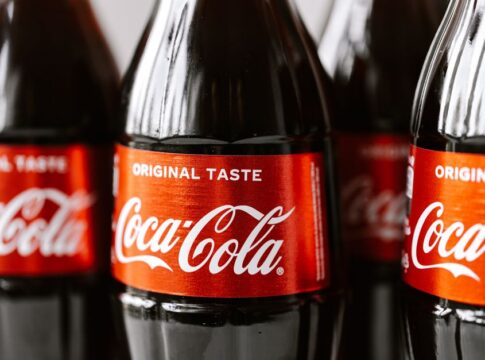
The Truth About Coca-Cola Originally Being Green
By Trivia Daily, Staff Writer — Published September 19, 2026
Table of Contents
- Key Takeaways
- The Truth About Coca-Cola’s Actual Color
- Where the Green Myth Actually Originated
- Surprising Facts About Coca-Cola’s Formula and History
- Comparing Coca-Cola to Other Soft Drinks
- Why Brand Myths Persist in Popular Culture
- Frequently Asked Questions
Few brand myths have spread as persistently as the claim that Coca-Cola was originally green. You’ve probably heard it at a party or seen it shared online: the world’s most famous soft drink supposedly started out with a verdant hue before evolving into its iconic caramel brown. It’s an interesting bit of trivia that sounds just plausible enough to stick in your memory. But here’s the truth about Coca-Cola: it was never green. Not at launch in 1886, not in its early formulations, and not at any point in its 130-plus-year history. The drink has always been brown, colored by the caramel and other ingredients that give it that familiar amber-to-dark-brown appearance.
This myth reveals something fascinating about how misinformation spreads. A single misunderstood fact or creative embellishment can snowball into accepted “knowledge” repeated across generations. Let’s explore the real story behind Coca-Cola’s color, discover where this green myth originated, and uncover some genuinely surprising truths about one of the world’s most recognizable beverages.
Key Takeaways
- Coca-Cola has always been brown, never green, since its creation in 1886 by pharmacist John Pemberton in Atlanta, Georgia.
- The brown color comes from caramel coloring and the natural hue of the drink’s ingredients, including cola nut extract and other flavorings.
- The green myth likely stems from confusion with the bottle’s green-tinted glass, which was introduced in 1915 to help distinguish genuine Coca-Cola from imitators.
- Coca-Cola’s original formula contained coca leaf extract (from which cocaine is derived), though in very small amounts that were later removed entirely.
- The distinctive contoured bottle design is so iconic it’s recognized by touch alone and has been trademarked as a distinctive package.
- Clear or colorless Coca-Cola has been sold in limited markets, but the standard formula remains brown worldwide.
The Truth About Coca-Cola’s Actual Color
From day one, Coca-Cola was brown. The original 1886 formulation mixed coca leaves, kola nuts, sugar, carbonated water, and various oils and extracts. When these ingredients combined, they created a dark, caramel-brown syrup that, when diluted with carbonated water at soda fountains, produced the amber-brown beverage customers received. The color wasn’t an accident or afterthought—it was the natural result of the ingredients used.
Caramel coloring plays a significant role. This ingredient, made by heating sugars, provides both flavor depth and the rich brown hue consumers expect. Food manufacturers have used caramel coloring for centuries because it’s stable, inexpensive, and creates an appealing appearance in everything from soft drinks to baked goods. In Coca-Cola, it reinforces the natural brown tones already present from the cola nut and other botanical extracts.
The concentration of the syrup affects the shade. At a soda fountain, where syrup mixes with carbonated water, the drink appears lighter brown. In a bottle or can, where the mixture is pre-determined, it looks darker. Hold a glass of Coca-Cola up to light, and you’ll see it’s actually a translucent amber. Only in thick layers or in the bottle does it appear nearly black.
Where the Green Myth Actually Originated
So why do so many people believe Coca-Cola was once green? The most likely culprit is the iconic green glass bottle. In 1915, the Coca-Cola Company launched a design competition to create a distinctive bottle that would be recognizable even in the dark or if broken. The Root Glass Company won with their now-famous contoured bottle, inspired by the shape of a cocoa pod (ironically, not a cola nut).
These bottles were made from green-tinted glass. The color wasn’t purely aesthetic—glass manufacturers of the era often added iron impurities or used recycled glass that naturally produced a blue-green or aqua tint. This green glass became so associated with Coca-Cola that many people conflated the bottle’s color with the beverage’s color. When someone glimpsed Coca-Cola through green glass, the brown liquid appeared even darker, sometimes with greenish overtones depending on the lighting.
Another factor: the power of suggestion. Once the myth entered circulation, it became self-reinforcing. People who heard “Coca-Cola was originally green” might misremember seeing old advertisements or bottles and unconsciously adjust their memories to fit the narrative. This phenomenon, called the Mandela Effect by some, demonstrates how collective false memories can spread through communities.
Surprising Facts About Coca-Cola’s Formula and History
While the green myth is false, Coca-Cola’s real history contains plenty of amazing truths. The original formula did include extract from coca leaves—yes, the same plant from which cocaine is derived. Pharmacist John Pemberton initially marketed his creation as a patent medicine, claiming it could cure headaches and fatigue. The cocaine content was minimal even in early formulations and was completely removed by 1929 as regulations tightened and public awareness of cocaine’s dangers grew.
The exact formula remains one of the most closely guarded trade secrets in the world. Known as “Merchandise 7X,” the formula supposedly resides in a vault at the World of Coca-Cola museum in Atlanta. Only a handful of people allegedly know the complete recipe, and they’re never allowed to travel together. Whether this secrecy is necessary or simply brilliant marketing, it has certainly added to the drink’s mystique.
Coca-Cola has experimented with its appearance in limited ways. In Japan, the company briefly sold “Coca-Cola Clear” in 2018, a colorless version of the classic drink that used different ingredients to achieve a similar taste without the brown color. This proved that the color isn’t essential to the flavor, though consumer response was mixed. Most people expect Coca-Cola to look a certain way, and deviation feels wrong even if the taste is comparable.
Comparing Coca-Cola to Other Soft Drinks
| Beverage | Primary Color | Main Coloring Agent | Year Introduced |
|---|---|---|---|
| Coca-Cola | Caramel brown | Caramel coloring, natural ingredients | 1886 |
| Pepsi-Cola | Caramel brown | Caramel coloring | 1893 |
| Sprite | Clear/colorless | No coloring added | 1961 |
| Mountain Dew | Yellow-green | Yellow 5 tartrazine | 1940 |
| Dr Pepper | Dark brown | Caramel coloring | 1885 |
This comparison shows that brown is the standard color for cola drinks, achieved through similar methods. Clear sodas like Sprite deliberately avoid coloring to present a “pure” or “clean” image, while citrus drinks often use yellow or green dyes to suggest their flavor profile.
Why Brand Myths Persist in Popular Culture
The green Coca-Cola myth isn’t unique. Numerous false “facts” about famous brands circulate endlessly. Some people believe Tootsie Rolls were named after a person named Tootsie (partially true—the inventor’s daughter), or that Pepsi’s name comes from pepsin, a digestive enzyme (also partially true). These stories persist because they’re memorable, they sound plausible, and they fill a human need for narrative.
Brands themselves sometimes benefit from myths. The mystery and discussion keep products in the public conversation. Coca-Cola has never aggressively corrected the green myth in advertising, perhaps because any publicity—even myth-busting—keeps people thinking about their product. The company’s actual history is fascinating enough without embellishment, but the myths add an extra layer of cultural intrigue.
Frequently Asked Questions
Was Coca-Cola ever actually green in color?
No, Coca-Cola has always been brown since its creation in 1886. The myth likely comes from confusion with the green-tinted glass bottles introduced in 1915, not the liquid itself.
What gives Coca-Cola its brown color?
Caramel coloring is the primary ingredient that gives Coca-Cola its distinctive brown hue, along with natural coloring from cola nut extract and other botanical ingredients in the formula.
Did Coca-Cola really contain cocaine?
Yes, the original formula included small amounts of coca leaf extract, which contains trace amounts of cocaine. This was completely removed from the formula by 1929, though decocainized coca leaf extract is still used for flavoring.
Why are Coca-Cola bottles green?
The iconic contoured bottles introduced in 1915 were made from green-tinted glass, a common manufacturing practice of the era. The green glass became part of Coca-Cola’s visual identity and helped distinguish genuine products from imitations.
Next time someone tells you Coca-Cola used to be green, you’ll know the real story. The truth—about caramel coloring, green bottles, and a formula so secret it lives in a vault—is actually more interesting than the myth. Sometimes reality needs no embellishment to be remarkable.