
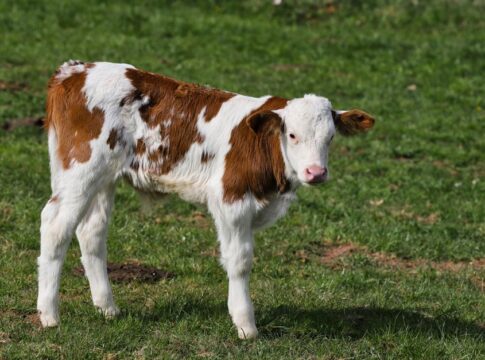
Why Cows Have Four Stomachs to Digest Grass Properly
By Trivia Daily, Staff Writer — Published November 28, 2026
Table of Contents
- Key Takeaways
- The Four Chambers and Their Specialized Jobs
- Why Grass Is So Hard to Digest
- The Rumination Process Explained
- Comparing Ruminant Digestive Systems
- The Evolutionary Advantage of Multiple Stomachs
- Common Misconceptions About Cow Digestion
- Frequently Asked Questions
Grass seems simple enough to eat, yet cows need an elaborate four-chamber digestive system to break it down. This surprising anatomical feature isn’t just trivia—it’s the secret behind how these animals extract nutrition from a food source that would leave humans starving. While we often say cows have four stomachs, the reality is even more interesting: they possess one stomach divided into four distinct compartments, each with a specialized job in the remarkable process of turning tough cellulose into energy.
This digestive curiosity allows cows and other ruminants to thrive on a diet that most mammals simply cannot process. Understanding how cows four stomachs work reveals one of nature’s most elegant solutions to a challenging nutritional puzzle.
Key Takeaways
- Cows technically have one stomach with four compartments: the rumen, reticulum, omasum, and abomasum, each performing a distinct digestive function.
- The rumen, the largest chamber, holds up to 50 gallons and functions as a fermentation vat where billions of microorganisms break down cellulose from grass.
- Cows regurgitate and re-chew their food in a process called rumination, spending roughly 8 hours daily chewing their cud.
- Without their multi-chambered stomach system, cows couldn’t extract nutrients from grass because mammals don’t naturally produce cellulase, the enzyme needed to digest plant cell walls.
- The microorganisms in a cow’s rumen are so effective that they convert otherwise indigestible plant material into proteins and fatty acids the cow can absorb.
- This digestive system evolved over millions of years, allowing ruminants to exploit grasslands that other animals couldn’t use as food sources.
The Four Chambers and Their Specialized Jobs
Each compartment in a cow’s stomach performs a specific task in the digestive assembly line. The rumen comes first—a massive fermentation chamber that can hold 40 to 50 gallons of partially digested food. Think of it as a living bioreactor. Billions of bacteria, protozoa, and fungi live here, breaking down the tough cellulose fibers that make up plant cell walls. These microorganisms produce enzymes that cows themselves cannot make.
The reticulum sits next to the rumen and works closely with it. This chamber has a honeycomb-like texture and acts as a filter, catching foreign objects (nails, wire, rocks) that cows accidentally swallow while grazing. It also helps form food into balls called “cud” that the cow regurgitates for additional chewing. This recycling process is what makes cows “chew their cud.”
The omasum functions as a water and nutrient absorber. Its many folds—which look like the pages of a book—create surface area for absorbing water, minerals, and some of the fatty acids produced by microbial fermentation. It squeezes excess liquid from the food mass before passing it along.
Finally, the abomasum works like a human stomach. It produces hydrochloric acid and digestive enzymes that break down proteins and kill many of the microorganisms that traveled from the rumen. This “true stomach” is where chemical digestion most similar to ours takes place.
Why Grass Is So Hard to Digest
Grass presents a formidable challenge to digestive systems. Plant cells are encased in walls made primarily of cellulose, a complex carbohydrate built from long chains of glucose molecules. While the energy is theoretically there, the chemical bonds holding cellulose together are incredibly strong. Mammals don’t produce cellulase, the enzyme required to break these bonds.
Cows solved this problem through symbiosis. The microorganisms living in their rumen do produce cellulase and other enzymes capable of dismantling plant cell walls. In exchange for a warm, food-rich environment, these tiny organisms perform the chemical work the cow cannot. It’s a partnership millions of years in the making.
This arrangement means cows can extract calories and nutrients from grasslands that would be useless to carnivores or omnivores like us. They’ve essentially outsourced the hardest part of digestion to specialized bacteria and protozoa.
The Rumination Process Explained
Rumination—chewing the cud—is central to how cows digest grass properly. After a cow grazes, the food enters the rumen and reticulum where it’s partially broken down. Then something remarkable happens: the cow regurgitates a portion of this softened food back into its mouth.
The cow chews this cud thoroughly, mixing it with saliva that contains bicarbonate to neutralize acids produced by fermentation. This additional chewing breaks plant material into smaller particles, increasing the surface area for microbial action. A cow typically spends 8 hours each day chewing cud, often while resting.
After rechewing, the cow swallows the cud again. Food may make several trips between the rumen and mouth before it’s sufficiently processed to move into the omasum and abomasum. This patient, repetitive approach is exactly what tough grass requires.
Comparing Ruminant Digestive Systems
| Animal | Number of Stomach Chambers | Rumen Capacity | Diet Specialization |
|---|---|---|---|
| Cattle | 4 | 40–50 gallons | Grass, hay, silage |
| Sheep | 4 | 4–5 gallons | Grass, browse plants |
| Deer | 4 | 1–2 gallons | Leaves, twigs, grass |
| Giraffe | 4 | 10 gallons | Leaves from tall trees |
The Evolutionary Advantage of Multiple Stomachs
Ruminants evolved their complex digestive systems during a period when grasslands were expanding across continents. This happened roughly 20 to 30 million years ago. Animals that could efficiently digest grass gained access to an abundant, renewable food source that competitors couldn’t exploit.
The four-chamber system allowed herbivores to graze quickly in open areas where predators posed a threat, then retreat to safer locations to ruminate at leisure. Speed matters when you’re vulnerable. Cows can fill their rumen rapidly, then process the food later while resting in relative safety.
This digestive strategy also maximizes nutrient extraction from low-quality forage. Grass isn’t particularly nutritious compared to fruits, seeds, or meat. The extended fermentation time and multiple processing stages squeeze every possible calorie and nutrient from each mouthful.
Common Misconceptions About Cow Digestion
Many people believe cows have four separate stomachs floating independently in their bodies. The truth is more elegant: one stomach divided into four connected chambers. Food flows through them in sequence, not randomly.
Another myth suggests cows are the only animals with this system. In fact, all ruminants—including sheep, goats, deer, antelope, and giraffes—share this four-chamber design. Even camels have a multi-chambered stomach, though theirs is structured slightly differently.
Some assume the microorganisms in a cow’s rumen are parasites. They’re actually mutualistic symbionts. The cow provides them with food and habitat; they provide digestive services the cow desperately needs. Neither could thrive without the other.
Frequently Asked Questions
Do cows really have four stomachs?
Cows have one stomach divided into four distinct compartments—the rumen, reticulum, omasum, and abomasum—each with a specialized digestive function. This is different from having four separate stomachs.
How long does it take a cow to digest grass completely?
The entire digestive process takes approximately 70 to 100 hours from the time a cow eats grass until waste is eliminated. Food spends the longest time in the rumen, where fermentation occurs.
Can humans digest grass like cows do?
No, humans lack the multi-chambered stomach and symbiotic microorganisms needed to break down cellulose in grass. Eating grass would pass through our system largely undigested, providing minimal nutrition.
What would happen if a cow ate meat instead of grass?
Cows are obligate herbivores whose entire digestive system is optimized for plant material. Feeding them meat can disrupt their rumen’s microbial balance and cause serious health problems, though historically some cattle were fed animal byproducts before the practice was banned in many countries.
The next time you see a cow peacefully grazing in a pasture, consider the biological marvel happening inside. That calm exterior hides a sophisticated fermentation system, a microscopic workforce of billions, and an evolutionary solution to one of nature’s toughest dietary challenges. It’s a reminder that even the most ordinary-seeming animals carry extraordinary adaptations we rarely notice.