
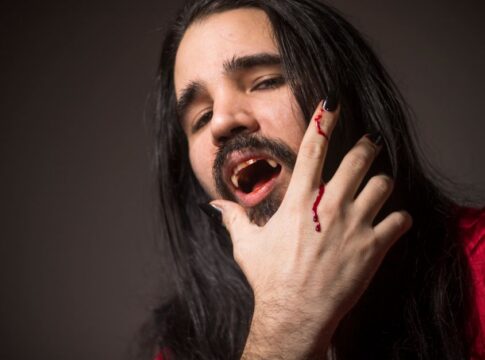
7 Surprising Facts About Vampires Based on Real Disease
By Trivia Daily, Staff Writer — Published November 28, 2026
Table of Contents
- Key Takeaways
- The Vampires Based on Real Blood Disorders
- When Infectious Disease Created Monster Stories
- The Science of the Undead Corpse
- Medical Evidence in Vampire Folklore
- Comparing Vampire Myths to Medical Symptoms
- Frequently Asked Questions
The vampire myth has haunted human imagination for centuries, but what if these blood-drinking creatures of the night weren’t entirely fictional? Medical historians have discovered fascinating connections between classic vampire folklore and actual medical conditions that terrorized communities in earlier eras. When you explore the science behind the legend, you’ll discover that vampires based on real diseases reveal more about human biology than supernatural horror. These surprising facts show how rare blood disorders, genetic conditions, and misunderstood illnesses may have sparked some of our most enduring monster stories.
From victims who couldn’t tolerate sunlight to corpses that appeared unnaturally preserved, the symptoms of genuine medical conditions mirror vampire traits with eerie accuracy. The intersection of medicine and mythology offers a compelling glimpse into how our ancestors tried to make sense of the inexplicable.
Key Takeaways
- Porphyria, a rare blood disorder, causes extreme sensitivity to sunlight and can create physical changes that resemble classic vampire characteristics.
- Rabies epidemics in medieval Europe produced symptoms including aggression, hypersensitivity, and an aversion to strong stimuli that aligned with vampire behavior.
- Premature burial and the natural decomposition process created “undead” appearances that convinced witnesses they had encountered vampires.
- Tuberculosis outbreaks in New England led to actual exhumations and vampire-hunting rituals as recently as the 1890s.
- Catalepsy and other neurological conditions caused people to appear dead, only to “revive” later, fueling resurrection legends.
- Anemia and blood disorders drove some individuals to crave blood or raw meat, behaviors that seemed vampiric to observers.
The Vampires Based on Real Blood Disorders
Porphyria stands as the most frequently cited medical explanation for vampire legends. This group of rare genetic disorders affects the body’s ability to produce heme, a component of hemoglobin that carries oxygen in red blood cells. When heme production goes awry, a compound called porphyrin accumulates in the body, causing devastating symptoms. Patients with certain types of porphyria experience extreme photosensitivity—their skin blisters and burns when exposed to sunlight, forcing them to venture out only at night. Severe cases can cause facial disfigurement, receding gums that make teeth appear fang-like, and reddish-brown discoloration of the teeth.
The condition gets even more interesting. Some historical treatments for porphyria involved drinking animal blood, as physicians hoped the heme from ingested blood might alleviate symptoms. While this approach had no real medical benefit, it certainly would have reinforced vampire associations. The disorder remains rare today, affecting roughly one in 25,000 people, but in isolated communities with limited genetic diversity, cases might have clustered in ways that seemed supernatural to witnesses.
When Infectious Disease Created Monster Stories
Rabies offers another compelling medical explanation for vampire behavior. This viral disease, transmitted through animal bites, attacks the central nervous system and produces symptoms that align disturbingly well with vampire folklore. Infected individuals become hypersensitive to stimuli, particularly bright lights and strong smells. Garlic, with its pungent odor, would genuinely repel someone suffering from rabies-induced hypersensitivity. The disease also causes hydrophobia—a fear of water—which connects to the old belief that vampires cannot cross running water.
Rabies victims often exhibit aggressive behavior, biting others and spreading the infection in a pattern that resembles vampiric transmission. The disease can incubate for weeks or months before symptoms appear, meaning a victim might seem healthy before suddenly displaying terrifying behavioral changes. In medieval Europe, where rabies was endemic among wolves, foxes, and bats, outbreaks would have created clusters of “infected” individuals whose symptoms defied rational explanation.
The Science of the Undead Corpse
1. Porphyria Makes Sunlight Deadly
As detailed earlier, this genetic blood disorder transforms sufferers into living embodiments of vampire traits. The photosensitivity isn’t mild discomfort—it’s severe burning and tissue damage that makes daytime activity genuinely dangerous. The physical changes to facial features, combined with the nighttime lifestyle and historical blood-drinking treatments, created a perfect storm of vampire characteristics rooted in verifiable medical reality.
2. Rabies Explained Aggressive Biting Behavior
Beyond the hypersensitivity to garlic and water, rabies produces another distinctly vampiric symptom: excessive salivation combined with difficulty swallowing. This creates the appearance of frothing or drooling blood-tinged saliva, especially if the victim has bitten their own tongue or cheeks. The violent, agitated behavior and nocturnal restlessness completed the picture of a predatory creature driven by uncontrollable urges.
3. Tuberculosis Sparked New England Vampire Panics
In 19th-century New England, tuberculosis was called “consumption” because victims seemed to waste away as the disease consumed them from within. When multiple family members fell ill in sequence, survivors believed the first to die was rising from the grave to drain the life force from the living. The famous case of Mercy Brown in Rhode Island exemplifies this phenomenon. After Mercy died of tuberculosis in 1892, her father exhumed her body and burned her heart, believing she was causing her brother’s illness. This wasn’t ancient superstition—it happened in modern America.
4. Premature Burial Created Undead Sightings
Catalepsy, comas, and other conditions that mimic death led to premature burials throughout history. When exhumed, these “corpses” sometimes showed signs of movement—scratches inside coffin lids, changed positions, or torn burial shrouds. The victims had awakened underground and struggled before suffocating. To witnesses opening the grave, this appeared to be evidence of undead activity. The terror of premature burial was so widespread that safety coffins with bells and breathing tubes were patented in the 18th and 19th centuries.
5. Decomposition Mimicked Vampire Characteristics
Normal decomposition creates effects that seemed vampiric to pre-scientific observers. As internal gases build up, corpses appear bloated and well-fed rather than withered. Blood pools near the surface, creating a ruddy, lifelike complexion. Pressure forces blood out of the mouth and nose. Nails and hair appear to grow as the skin retracts. When villagers exhumed suspected vampires, these natural processes convinced them they’d found an undead creature that had been feeding. The body looked too fresh, too alive, too different from their expectations of peaceful decay.
6. Pellagra Caused Skin Damage and Mental Changes
This nutritional deficiency disease, caused by lack of niacin (vitamin B3), produces symptoms that overlap with vampire mythology. Pellagra causes severe photosensitivity and skin lesions, particularly on areas exposed to sunlight. Sufferers also experience mental confusion, aggression, and dementia. In communities with corn-based diets lacking proper preparation methods to release niacin, pellagra outbreaks affected multiple people simultaneously, creating the appearance of a spreading curse.
7. Rare Blood Disorders Triggered Unusual Cravings
Certain anemias and iron deficiencies can produce pica—compulsive consumption of non-food items. In some documented cases, individuals with severe blood disorders have craved blood or raw meat, driven by their body’s desperate need for iron and other nutrients. While drinking blood isn’t an effective treatment for anemia, the craving itself is medically real. Someone displaying this behavior in a small village would quickly become the subject of vampire rumors, especially if they also exhibited other symptoms like pallor, weakness, and nocturnal habits due to their illness.
Medical Evidence in Vampire Folklore
The overlap between disease symptoms and vampire traits isn’t coincidental. Communities trying to understand devastating illnesses created explanatory frameworks that made sense within their worldview. When tuberculosis killed family after family, the vampire explanation provided both a cause and a solution—exhume and destroy the vampire. When someone exhibited photosensitivity, fang-like teeth, and blood cravings, calling them a vampire was a rational conclusion given the available knowledge.
Modern medicine has identified the real culprits behind these symptoms, but the vampire legends persist because they tap into deeper fears about disease, death, and the fragility of the boundary between living and dead. The stories evolved across cultures, but the medical realities underneath remained surprisingly consistent.
Comparing Vampire Myths to Medical Symptoms
| Vampire Trait | Medical Condition | Actual Symptom |
|---|---|---|
| Avoids sunlight | Porphyria or Pellagra | Severe photosensitivity causing burns |
| Repelled by garlic | Rabies | Hypersensitivity to strong odors |
| Bites others aggressively | Rabies | Violent behavior and biting compulsion |
| Drains life from family | Tuberculosis | Contagious spread through household |
| Fang-like teeth | Porphyria | Receding gums and tooth discoloration |
| Rises from grave | Catalepsy | Death-like state followed by revival |
Frequently Asked Questions
What disease is most commonly linked to vampire legends?
Porphyria is most frequently cited as the “vampire disease” due to its combination of photosensitivity, facial changes, and historical treatments involving blood consumption. However, rabies and tuberculosis also contributed significantly to vampire folklore in different regions and time periods.
Did people actually dig up bodies to hunt vampires?
Yes, vampire exhumations were documented practices in Europe and New England well into the 19th century. Communities would disinter suspected vampires, examine the corpse for signs of undead activity, and perform rituals like burning the heart to stop the perceived threat.
Can drinking blood actually help with porphyria?
No, drinking blood provides no medical benefit for porphyria. While historical physicians attempted this treatment hoping the heme in blood would help, the digestive system breaks down heme before it can affect porphyrin metabolism. Modern treatments include avoiding sunlight triggers and, in some cases, receiving heme injections directly into the bloodstream.
Are there still cases of diseases that cause vampire-like symptoms?
Yes, porphyria, rabies, and other conditions still exist today, though they’re better understood and managed. Porphyria remains rare and incurable but treatable. Rabies is preventable through vaccination and post-exposure treatment. Modern medicine has removed the mystery that once made these conditions seem supernatural.
The next time you encounter a vampire story, consider the very real human suffering that might have inspired it. These weren’t just tales spun from imagination—they were attempts to explain the terrifying and inexplicable. The diseases were real, the fear was justified, and the legends that emerged continue to captivate us precisely because they’re rooted in something genuine and deeply human.