
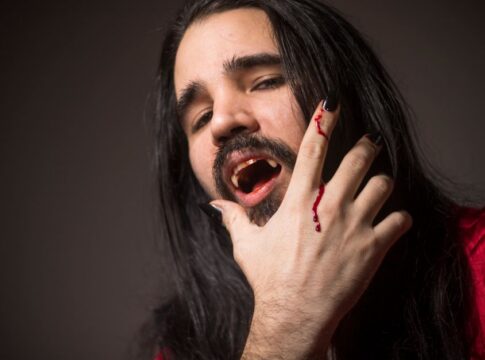
Vampire Myth Origins: 7 Medical Conditions Behind It
By Trivia Daily, Staff Writer — Published August 29, 2026
Table of Contents
- Key Takeaways
- Understanding Vampire Myth Origins Through Medicine
- The Seven Medical Conditions That May Have Inspired Vampire Legends
- How Medical Ignorance Shaped Folklore
- Comparing Vampire Traits to Medical Symptoms
- Frequently Asked Questions
The terrifying vampire legends that haunted villages across Europe for centuries may have roots in very real medical conditions. When people discovered corpses with blood around their mouths, ruddy complexions, or unusual preservation, they didn’t think disease—they thought undead. Modern researchers have uncovered fascinating connections between vampire myth origins and rare disorders that produced symptoms eerily similar to folklore’s bloodsucking monsters. These medical explanations reveal how fear of the unknown transformed sick neighbors into supernatural threats.
From extreme sun sensitivity to dental abnormalities, the conditions that likely inspired vampire tales span neurology, dermatology, and hematology. Understanding these links doesn’t diminish the power of vampire stories—it makes them more intriguing. Real suffering became myth, and myth shaped how communities responded to illness they couldn’t comprehend.
Key Takeaways
- Porphyria causes severe photosensitivity and can create reddish teeth, matching classic vampire characteristics
- Rabies produces aggression, hydrophobia, and biting behavior that mirrors vampiric attacks in folklore
- Tuberculosis symptoms in the 19th century led families to believe one dead member was draining life from living relatives
- Pellagra creates extreme sun sensitivity and mental confusion that isolated sufferers from their communities
- Decomposition produces bloating and blood purging that made corpses appear freshly fed
- These medical explanations emerged centuries after vampire myths solidified in European culture
Understanding Vampire Myth Origins Through Medicine
Vampire legends existed long before modern medicine could explain unusual symptoms. Eastern European folklore particularly emphasized the undead rising from graves to feed on the living. When scientists began documenting rare blood disorders and infectious diseases in the 19th and 20th centuries, patterns emerged. Symptoms that once seemed supernatural now had biological explanations—though the myths had already taken deep root in culture.
The connection between disease and vampire lore isn’t always direct. Many conditions were rare enough that most people never encountered them, yet common enough to occasionally appear in communities. A single case of someone exhibiting bizarre symptoms could spawn stories that spread across regions. Mix medical ignorance with genuine fear of death and contagion, and vampire mythology becomes a logical, if tragic, response.
The Seven Medical Conditions That May Have Inspired Vampire Legends
1. Porphyria: The Blood Disorder With Vampiric Symptoms
Porphyria encompasses several rare genetic disorders affecting heme production—the molecule that carries oxygen in blood. Certain types cause extreme photosensitivity, forcing sufferers to avoid sunlight or risk severe skin damage and scarring. The condition can also deposit porphyrins in teeth, creating a reddish or brownish discoloration that might appear blood-stained in dim light. Some historical treatments involved drinking animal blood to supplement heme, though this provided no actual benefit. Severe cases produce facial disfigurement, receding gums that make teeth appear fang-like, and a desperate need to avoid daylight—a nearly perfect match for vampire characteristics.
2. Rabies: Aggression, Biting, and Fear of Water
Rabies creates behavioral changes that align disturbingly well with vampire attack descriptions. The virus causes extreme aggression, hypersalivation, and an urge to bite. Victims develop hydrophobia—a fear and inability to swallow liquids—which causes foaming at the mouth. Before modern understanding of viral transmission, rabies outbreaks would have seemed like a contagion of violent madness spreading through bites. The disease also causes sensitivity to bright light and strong smells, including garlic. An infected person wandering at night, violently attacking others, unable to drink water—this matches vampire behavior more closely than coincidence would suggest.
3. Tuberculosis: The Wasting Disease of Family Lines
In 19th-century New England, tuberculosis epidemics led to vampire panics. The disease caused victims to grow pale and thin, wasting away slowly while coughing blood. When multiple family members died in succession, survivors sometimes believed the first to die was rising from the grave to drain life from living relatives. This led to documented exhumations where communities burned hearts of deceased TB victims, hoping to stop the “curse.” The gradual, consuming nature of tuberculosis—and its tendency to spread through families—made it seem like an invisible predator was feeding on bloodlines.
4. Catalepsy and Premature Burial Fears
Catalepsy produces a trance-like state with rigid muscles, shallow breathing, and drastically reduced vital signs. Before modern medical equipment, distinguishing catalepsy from death was nearly impossible. People occasionally awakened in coffins or during funeral preparations, creating widespread fear of premature burial. Some “vampires” exhumed from graves showed signs of post-burial movement—scratches inside coffins, changed positions, torn shrouds. These likely represented people buried alive in cataleptic states, but to terrified villagers, the evidence suggested the dead had awakened with unholy hunger.
5. Pellagra: Sun Sensitivity and Mental Deterioration
Pellagra results from severe niacin deficiency and was common in populations dependent on corn-based diets. The disease causes extreme photosensitivity with painful skin lesions from sun exposure, forcing sufferers into nocturnal habits. It also produces dementia, aggression, and psychosis in advanced stages. The combination of sun avoidance and erratic, sometimes violent behavior would have marked victims as dangerous outcasts. In communities where pellagra was misunderstood, these symptoms could easily be interpreted through a supernatural lens rather than a nutritional one.
6. Decomposition Processes Mistaken for Undead Activity
Normal post-mortem changes created many supposed vampire signs. Bodies bloat with decomposition gases, making corpses appear well-fed rather than withered. This pressure forces blood from the lungs through the mouth and nose—creating the appearance that a corpse had recently fed. Skin shrinks back from nails and teeth, making them appear to have grown. Bacteria produce sounds as gases escape, suggesting movement. When grave robbers or concerned villagers exhumed bodies, these natural processes looked like evidence of vampirism. The “fresh” appearance of some corpses, especially in cold climates where decomposition slowed, convinced communities they faced the undead.
7. Ergot Poisoning and Mass Hysteria
Ergot fungus grows on rye and other grains, producing compounds related to LSD. Consumption causes ergotism—hallucinations, convulsions, a crawling skin sensation, and sometimes gangrene. Entire villages eating contaminated grain could experience collective psychosis, seeing threats that didn’t exist and exhibiting bizarre behavior. Some historians link ergot poisoning to various mass hysterias, including potential vampire panics. When whole communities simultaneously experienced terrifying hallucinations and physical symptoms, supernatural explanations became communal reality. The combination of genuine illness and shared delusion could transform ordinary neighbors into perceived monsters.
How Medical Ignorance Shaped Folklore
Before germ theory and modern diagnostics, illness seemed arbitrary and malevolent. Communities needed explanations for why disease struck some families but not others, why some corpses decomposed differently, why certain people exhibited frightening symptoms. Vampire mythology provided a framework that made sense within pre-scientific worldviews. The sick person wasn’t suffering from a genetic disorder—they were cursed or possessed. The dead weren’t following predictable biological processes—they were animated by evil.
These beliefs had real consequences. People with conditions like porphyria faced persecution rather than treatment. Families dealing with tuberculosis sometimes desecrated graves of deceased loved ones, adding trauma to grief. The vampire explanation, while understandable given limited medical knowledge, prevented actual help from reaching those who needed it most.
Comparing Vampire Traits to Medical Symptoms
| Vampire Characteristic | Possible Medical Explanation | Condition |
|---|---|---|
| Avoidance of sunlight | Severe photosensitivity causing skin damage | Porphyria, Pellagra |
| Blood-stained teeth | Porphyrin deposits in dental enamel | Porphyria |
| Violent biting behavior | Viral brain infection causing aggression | Rabies |
| Aversion to garlic | Heightened sensitivity to strong odors | Rabies |
| Pale, wasting appearance | Progressive respiratory disease | Tuberculosis |
| Rising from the dead | Awakening from death-like trance | Catalepsy |
Frequently Asked Questions
Did people with porphyria actually drink blood?
Some historical accounts suggest blood drinking as a folk remedy for porphyria symptoms, but this provided no medical benefit since ingested heme breaks down in the digestive system. Modern treatment involves enzyme replacement and symptom management, not blood consumption.
Were vampire panics common throughout history?
Vampire beliefs were widespread in Eastern Europe, particularly during the 17th and 18th centuries, with documented exhumations and corpse desecration. The New England vampire panic of the 1800s shows these beliefs persisted even in relatively modern times, driven by tuberculosis outbreaks.
Can rabies explain all vampire legends?
Rabies explains some behavioral aspects of vampire myths, particularly aggression and biting, but not all characteristics like aversion to sunlight or the undead rising from graves. Multiple conditions likely contributed to different aspects of vampire folklore across various cultures and time periods.
Why did people believe corpses could become vampires?
Lack of understanding about decomposition made normal post-mortem changes seem supernatural. Bloating, blood purging, and the preserved appearance of bodies in certain conditions convinced people that corpses were somehow still “alive” and feeding.
The medical explanations behind vampire myths reveal how human communities struggle to understand what frightens them. These conditions caused real suffering for real people who became monsters in their neighbors’ eyes. Today’s rare disease patients still face stigma and isolation, though we’ve traded supernatural fears for different kinds of misunderstanding. The vampire legends endure not because they’re true, but because they capture something essential about how we process the mysterious intersection of life, death, and disease.