
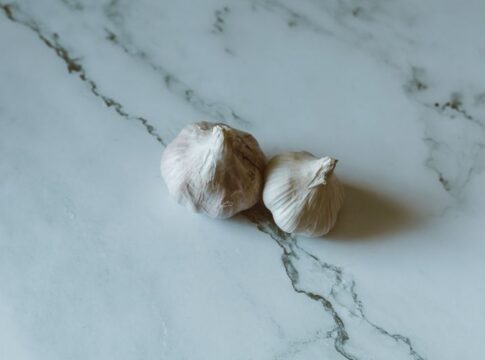
Vampire Myths: Why Garlic Became Their Greatest Weakness
By Trivia Daily, Staff Writer — Published August 4, 2026
Table of Contents
- Key Takeaways
- The Ancient Origins of Vampire Myths Garlic Protection
- How Medieval Plague Fears Strengthened the Legend
- Eastern European Folklore: Where Vampires and Garlic Collided
- From Folklore to Pop Culture: How Literature Cemented the Connection
- The Science Behind the Superstition
- Frequently Asked Questions
Among all the weapons in the vampire-hunting arsenal—crucifixes, wooden stakes, holy water—garlic stands out as the most peculiar. How did this humble kitchen staple become one of the most enduring symbols in vampire myths? The answer reveals a fascinating blend of ancient medicine, medieval superstition, and the very real power that people once attributed to this pungent bulb. Explore the surprising truths behind vampire myths garlic connections, and discover why folklore transformed a cooking ingredient into a supernatural shield.
The association between garlic and protection from evil predates vampire legends by thousands of years. Long before Bram Stoker’s Dracula clutched his throat at the sight of garlic flowers, ancient civilizations revered this plant for its medicinal and mystical properties.
Key Takeaways
- Garlic has been used as a protective charm against evil spirits and disease for over 4,000 years across multiple cultures.
- Ancient Egyptians, Greeks, and Romans all believed garlic possessed supernatural protective powers, not just medicinal value.
- The vampire-garlic connection became cemented in popular culture through 19th-century Gothic literature, particularly Bram Stoker’s 1897 novel Dracula.
- Garlic’s strong antibacterial properties may have reinforced beliefs that it could ward off plague and death, which were often personified as vampiric entities in folklore.
- Eastern European folklore, where vampire legends originated, traditionally hung garlic in homes and placed it in coffins to prevent the dead from rising.
- The sulfur compounds that give garlic its distinctive smell were once thought to repel demons and supernatural beings.
The Ancient Origins of Vampire Myths Garlic Protection
Garlic’s reputation as a protective agent stretches back to ancient Egypt, where workers building the pyramids consumed it for strength and health. But beyond nutrition, Egyptians placed garlic cloves in tombs and burial chambers. They believed the bulb held power over malevolent spirits that might disturb the dead.
Ancient Greeks took this belief further. They hung braids of garlic at crossroads—places where spirits were thought to congregate—and rubbed it on doorways to prevent evil from entering homes. Greek midwives would place garlic in rooms where women gave birth, protecting both mother and child from supernatural harm during this vulnerable time.
Romans carried garlic amulets into battle. Soldiers believed it provided courage and protection not just from enemies, but from curses and dark magic. This wasn’t mere superstition divorced from observation; garlic’s genuine antiseptic properties meant wounds treated with garlic compounds were less likely to become infected, lending credence to its “magical” healing powers.
How Medieval Plague Fears Strengthened the Legend
The Black Death fundamentally changed how Europeans viewed disease and death. During the 14th century, when plague devastated populations, people desperately sought explanations and protections. They didn’t understand germ theory. What they saw were neighbors dying mysteriously, bodies that seemed to bloat and change after death, and blood seeping from corpses’ mouths—phenomena we now know result from decomposition but which medieval observers interpreted as signs of vampirism.
Garlic became a frontline defense. Plague doctors stuffed their characteristic beaked masks with garlic, herbs, and spices, believing the strong scent would protect them from miasma—bad air thought to spread disease. People wore garlic around their necks, hung it in windows, and rubbed it on doorframes. When some who used garlic survived while others perished, the bulb’s reputation as a life-saver grew even stronger.
Interestingly, garlic does possess genuine antibacterial properties thanks to allicin, a sulfur compound that forms when garlic is crushed. While it couldn’t stop plague (a bacterial infection spread by fleas), its effectiveness against some infections wasn’t entirely imaginary. This real medicinal value blurred the line between folk remedy and magical protection.
Eastern European Folklore: Where Vampires and Garlic Collided
The specific association between garlic and vampires crystallized in Eastern European folklore, particularly in Romania, Serbia, and surrounding regions. These areas developed elaborate vampire mythologies during the 17th and 18th centuries, often during periods of plague and mysterious deaths.
Slavic traditions prescribed detailed rituals involving garlic. Families would:
- Place garlic cloves in the mouths of corpses before burial to prevent them from rising as vampires
- Hang garlic wreaths on doors and windows during certain nights when vampires were thought most active
- Rub garlic on chimneys and keyholes—any opening through which a vampire might enter
- Carry garlic when walking at night, especially through cemeteries or crossroads
- Feed garlic to livestock to protect animals from vampiric attacks
These weren’t casual superstitions but deeply embedded cultural practices passed down through generations. The smell of garlic became synonymous with safety and sanctity, while its absence suggested vulnerability to dark forces.
From Folklore to Pop Culture: How Literature Cemented the Connection
Vampire myths remained largely regional until 19th-century Gothic literature brought them to a global audience. Bram Stoker’s Dracula, published in 1897, transformed scattered folklore into a cohesive mythology that would define vampire fiction for over a century.
In Stoker’s novel, Professor Van Helsing—the vampire expert—uses garlic flowers to protect Lucy Westenra from Count Dracula’s nocturnal visits. He decorates her room with garlic blossoms and makes her wear a garlic wreath. The scene became iconic, establishing garlic as the vampire deterrent in popular imagination.
Stoker drew from genuine Eastern European folklore but also from earlier vampire literature. John Polidori’s “The Vampyre” (1819) and Joseph Sheridan Le Fanu’s “Carmilla” (1872) had already introduced vampires to English-speaking audiences, but Stoker’s detailed incorporation of folk remedies—including garlic—gave his work an air of authenticity that resonated with readers.
Twentieth-century cinema solidified the garlic-vampire connection. From early silent films to modern blockbusters, garlic appears as a reliable vampire repellent. This cinematic reinforcement turned a regional folk belief into global common knowledge.
The Science Behind the Superstition
Why garlic specifically? Several theories attempt to explain this curious choice. Garlic’s powerful smell comes from sulfur compounds, and sulfur has long been associated with purification and protection in many cultures. In Christian tradition, sulfur was paradoxically linked both to hell (brimstone) and to cleansing rituals, creating a complex symbolic relationship.
From a practical standpoint, garlic’s antibacterial and antifungal properties meant it genuinely helped preserve food and treat certain ailments. In an era without refrigeration or antibiotics, anything that could slow decay or fight infection seemed almost magical. Vampires, as reanimated corpses, represented the ultimate failure of the body to stay properly dead—decay given malevolent purpose. Perhaps garlic, which fought corruption in the living, could combat it in the undead as well.
Some researchers suggest another interesting connection: certain rare blood disorders can cause sensitivity to sunlight and other symptoms that might have been misinterpreted as vampirism. While there’s no evidence that garlic affects these conditions differently than other foods, the association between mysterious blood-related illnesses and vampire legends remains a topic of curiosity among medical historians.
Frequently Asked Questions
Did real vampire hunters actually use garlic?
Yes, in Eastern European communities where vampire beliefs were prevalent, people genuinely used garlic as protection during the 17th and 18th centuries. They placed it in coffins, hung it in homes, and carried it during suspected vampire activity, treating it as seriously as any other protective measure.
Why don’t modern vampire stories always include garlic?
Contemporary vampire fiction often reimagines or discards traditional weaknesses to create fresh narratives. Some authors view garlic as outdated folklore, while others use it selectively. The trend toward sympathetic or powerful vampires has led many creators to minimize or eliminate traditional vulnerabilities entirely.
Are there other plants traditionally used against vampires?
Yes, various cultures used hawthorn, wild rose, wolfsbane, and mountain ash as vampire deterrents. Eastern European folklore particularly valued hawthorn wood for stakes, while roses planted on graves were thought to trap vampires. Garlic simply became the most famous through literature and film.
Does garlic appear in vampire myths worldwide?
No, garlic specifically appears in European vampire folklore, particularly Eastern European traditions. Asian and African vampire-like creatures have different associated protections. The garlic connection is culturally specific, though it’s become so famous that it’s sometimes retroactively applied to non-European vampire legends in popular media.
The next time you add garlic to your cooking, consider its remarkable journey from ancient Egyptian tombs to modern movie screens. This unassuming bulb carries thousands of years of human hope, fear, and the eternal desire to hold darkness at bay—even if that darkness has fangs.