
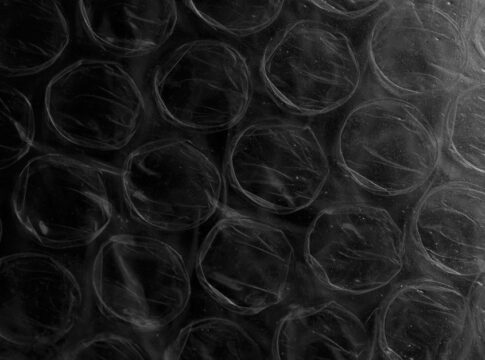
7 Surprising Facts About the Invention of Bubble Wrap
By TriviaOwl, Staff Writer — Published August 3, 2026
Table of Contents
- Key Takeaways
- The Accidental Origins of the Invention Bubble Wrap
- The Seven Surprising Facts
- How Bubble Wrap Changed Shipping Forever
- The Economics Behind Those Little Bubbles
- Frequently Asked Questions
Few inventions have brought as much simple joy to people across the world as bubble wrap. That satisfying pop between your fingers has become a universal stress reliever, but the invention bubble wrap story is far stranger than you might imagine. What began as a complete failure turned into one of the most successful packaging materials of the modern era, with a history full of unexpected twists that will make you see those air-filled bubbles in an entirely new light.
The journey from failed wallpaper to billion-dollar industry is packed with fascinating trivia and surprising moments. These seven amazing facts reveal the curious path this everyday material took to become a household name.
Key Takeaways
- Bubble wrap was accidentally invented in 1957 while two engineers were trying to create textured wallpaper by sealing shower curtains together.
- The original purpose envisioned for bubble wrap was as three-dimensional wallpaper for homes, not as packaging material.
- IBM became the first major customer, using bubble wrap to protect the IBM 1401 computer during shipping in 1960.
- The last Monday of January is officially designated as Bubble Wrap Appreciation Day, celebrated since 2001.
- Popping bubble wrap has been scientifically shown to reduce stress and muscle tension in psychological studies.
- The largest bubble wrap manufacturer produces enough material annually to wrap the equator more than ten times.
The Accidental Origins of the Invention Bubble Wrap
In 1957, two engineers named Alfred Fielding and Marc Chavannes were experimenting in a garage in Hawthorne, New Jersey. They sealed two shower curtains together, trapping air bubbles between the plastic layers. The result? A bumpy, textured sheet that they believed would revolutionize interior design as trendy wallpaper. The textured surface was meant to be easy to clean and add visual interest to walls.
The wallpaper idea flopped spectacularly. Homeowners showed zero interest in covering their walls with plastic bubbles. Undeterred, the inventors pivoted and tried marketing their creation as greenhouse insulation. That didn’t work either. It took three years of failed attempts before they finally discovered the application that would make their invention famous: protective packaging. Sometimes the best discoveries happen when you’re willing to keep trying after your original plan fails.
The Seven Surprising Facts
1. IBM’s Computers Gave Bubble Wrap Its Big Break
The breakthrough came in 1960 when IBM needed a lightweight, protective material to ship its new 1401 computer system. These machines were expensive, delicate, and heavy, requiring packaging that could absorb shock without adding excessive weight. Sealed Air Corporation, the company Fielding and Chavannes founded, convinced IBM to give their bubble-filled plastic a try. The computers arrived safely, and bubble wrap instantly proved its worth in the emerging electronics industry. This single contract transformed bubble wrap from a novelty item into an essential industrial product, opening doors to countless other applications.
2. The Original Manufacturing Process Was Completely Different
Today’s bubble wrap is manufactured using a continuous process with specialized machinery, but the original method was remarkably crude by comparison. Early bubble wrap was made by manually sealing two sheets of plastic together and literally blowing air between them. The process was labor-intensive and inconsistent, with bubbles of varying sizes and durability. Modern manufacturing uses a curtain of air blown through a perforated roller onto molten plastic, creating uniform bubbles in a single continuous sheet. This innovation dramatically increased production speed and consistency while reducing costs.
3. There Are Dozens of Bubble Sizes for Different Jobs
Not all bubble wrap is created equal. The material comes in a surprising variety of bubble sizes, each engineered for specific protective needs. Small bubbles, typically around one-quarter inch in diameter, provide surface protection and are ideal for wrapping glassware, ceramics, or electronics. Large bubbles, which can measure up to an inch across, offer superior cushioning for heavier items and provide better void fill in shipping boxes. Specialty versions include anti-static bubble wrap for sensitive electronics, bubble wrap with barrier properties for moisture protection, and even biodegradable versions developed in response to environmental concerns.
4. Popping Bubble Wrap Is Scientifically Proven Therapy
The satisfying sensation of popping bubble wrap isn’t just in your head—it’s backed by science. Psychological studies have demonstrated that the repetitive action of popping bubbles can reduce stress levels and muscle tension. The tactile feedback and gentle popping sound engage multiple senses simultaneously, creating a form of sensory stimulation that many people find calming. Some therapists have incorporated bubble wrap into stress-reduction techniques and anxiety management programs. The phenomenon is similar to other repetitive, low-stakes activities like squeezing stress balls or playing with fidget toys, which provide a physical outlet for nervous energy.
5. Bubble Wrap Appreciation Day Is a Real Holiday
Since 2001, enthusiasts have celebrated Bubble Wrap Appreciation Day on the last Monday of January each year. The holiday was created by a radio station in Bloomington, Indiana, when a listener called in to share their stress-relief technique of popping bubble wrap. The idea resonated so strongly that it spawned an annual celebration complete with bubble wrap popping competitions, creative art projects, and even fashion shows featuring bubble wrap clothing. Sealed Air Corporation embraced the holiday, hosting events and encouraging people to share their bubble wrap stories online. It’s one of the few unofficial holidays dedicated to a packaging material.
6. The Company Developed Un-Poppable Bubble Wrap
In a move that horrified bubble wrap fans everywhere, Sealed Air Corporation introduced iBubble Wrap in 2015—a version specifically designed not to pop. The new product ships flat and inflates only when needed, reducing storage space and shipping costs for businesses by up to fifty percent. The air channels are connected, so squeezing one area simply moves air to another section rather than creating that beloved popping sound. While the innovation made perfect business sense, saving companies money and reducing environmental impact, it sparked widespread disappointment among people who valued bubble wrap primarily for its stress-relieving properties. Traditional poppable bubble wrap remains available for those who prioritize the therapeutic benefits.
7. Bubble Wrap Has Been to Space
NASA and other space agencies have used bubble wrap and similar air-cushioned materials in various applications, though often in modified forms suited to the unique demands of space travel. The lightweight nature and cushioning properties make it useful for protecting delicate instruments during launch, when vibrations and g-forces can damage sensitive equipment. Some experiments have explored using bubble wrap principles in inflatable structures for potential space habitats. The material’s simplicity and effectiveness translate well even to the extreme environment of space, proving that good design works anywhere.
How Bubble Wrap Changed Shipping Forever
Before bubble wrap, companies relied on heavier materials like wood shavings, crumpled newspaper, or foam peanuts for packaging. These options were either heavy, messy, or both. Bubble wrap revolutionized the shipping industry by offering lightweight protection that reduced transportation costs while providing superior cushioning. The transparent nature allows inspection of contents without unwrapping, and the flexibility means it conforms to objects of any shape.
The environmental impact has become a growing concern. Traditional bubble wrap is made from polyethylene plastic, which takes hundreds of years to decompose. In response, manufacturers have developed recycled-content versions and biodegradable alternatives made from plant-based materials. Some newer designs focus on reusability, with bubble wrap that maintains its protective properties through multiple shipping cycles.
The Economics Behind Those Little Bubbles
The global bubble wrap market generates billions of dollars annually, with applications extending far beyond simple package protection. Industries ranging from automotive to pharmaceuticals rely on air-cushioned materials for product safety. The e-commerce boom has dramatically increased demand, as online retailers ship millions of packages daily that require protective packaging.
| Industry | Primary Use | Special Requirements |
|---|---|---|
| Electronics | Component protection | Anti-static properties |
| Pharmaceuticals | Temperature-sensitive items | Barrier protection |
| Food service | Glassware and dishes | Food-safe materials |
| Automotive | Parts shipping | Heavy-duty bubbles |
Frequently Asked Questions
Who invented bubble wrap and when?
Alfred Fielding and Marc Chavannes invented bubble wrap in 1957 while attempting to create textured wallpaper. They founded Sealed Air Corporation to manufacture and market their accidental invention.
Why is popping bubble wrap so satisfying?
The satisfaction comes from a combination of tactile feedback, auditory stimulation, and the release of physical tension. Studies show that repetitive popping can reduce stress and provide a calming sensory experience similar to other fidget activities.
Can bubble wrap be recycled?
Yes, bubble wrap can be recycled at facilities that accept plastic film, typically marked with recycling code #4. Many grocery stores have collection bins for plastic bags and film that accept bubble wrap, though it cannot usually go in curbside recycling bins.
What was bubble wrap originally intended to be used for?
Bubble wrap was originally designed to be three-dimensional textured wallpaper for homes. When that failed, the inventors tried marketing it as greenhouse insulation before discovering its ideal use as protective packaging material.
The next time you receive a package cushioned with those familiar air-filled pockets, you’ll know you’re holding a piece of accidental genius that took years to find its true calling. What started as a wallpaper flop became a cultural icon, proving that sometimes the best inventions are the ones that discover their purpose along the way.