









1 / 10 Questions
0 Points

What everyday item was once worth more than gold?

Salt

Pepper

Sugar

Cinnamon

Points won
0
Correct score
0%

More Questions

9 Strange Facts About Venus Flytraps Counting Touch Signals

Venus flytraps count touch signals before snapping shut on prey. Discover 9 strange facts about these carnivorous plants and their hunting abilities.

Did You Know Vampires Cannot Cross Running Water

Vampire legends reveal why the undead cannot cross running water. Discover the folklore origins behind this enduring supernatural boundary and protection.

Which ice cream bar came from a boy’s tough choice?

Which ice cream bar came from a boy's tough choice? Question 1: Which ice cream bar came from a boy's tough choice? A. Edy's Pie B. Klondike...

More Articles

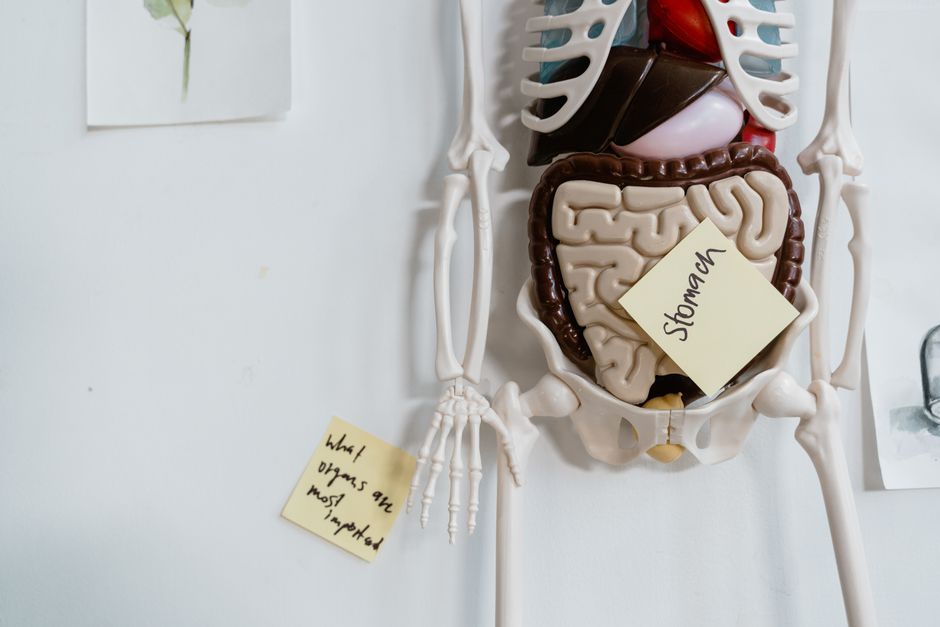
Why Your Stomach Doesn’t Digest Itself: The Mucus Truth

Why Your Stomach Doesn’t Digest Itself: The Mucus Truth

Why Your Stomach Doesn't Digest Itself: The Mucus Truth

By Trivia Owl, Staff Writer — Published August 29, 2026

Table of Contents

Your stomach is a cauldron of acid strong enough to dissolve metal. Gastric acid, with a pH between 1.5 and 3.5, breaks down everything from steak to salad. So why doesn't this corrosive liquid eat through the stomach walls themselves? The surprising answer lies in a thin layer of mucus that's both simpler and more remarkable than you might expect. Understanding why your stomach doesn't digest itself reveals one of the human body's most elegant protective mechanisms—a biological barrier that regenerates constantly and works in ways scientists continue to explore.

Every day, your stomach produces about two liters of gastric acid containing hydrochloric acid and digestive enzymes like pepsin. Without protection, this acidic brew would burn through the stomach lining in hours. Yet most people never experience this catastrophic failure, thanks to a mucus layer just one millimeter thick.

Key Takeaways

  • The stomach lining secretes a protective mucus layer that shields tissue from corrosive gastric acid with a pH as low as 1.5.
  • This mucus barrier is only about one millimeter thick but contains bicarbonate ions that neutralize acid on contact.
  • Stomach lining cells regenerate completely every three to five days, replacing any damaged tissue before erosion occurs.
  • When the mucus barrier fails, peptic ulcers form—painful erosions often caused by bacterial infection or certain medications.
  • The stomach produces roughly two liters of gastric acid daily, yet the mucus defense system prevents self-digestion in healthy individuals.
  • Prostaglandins, hormone-like substances, stimulate mucus production and blood flow to maintain the protective barrier.

Why Your Stomach Doesn't Digest Itself: The Mucus Defense

The stomach's protective mucus is a gel-like substance secreted by specialized cells in the stomach lining called mucous cells. This isn't ordinary slime. The mucus contains glycoproteins that form a sticky, viscous barrier preventing direct contact between acid and tissue. Think of it as a constantly renewed coating that acid cannot easily penetrate.

But mucus alone isn't enough. The gel layer also contains bicarbonate ions—the same substance in baking soda that neutralizes acid. These ions create a pH gradient within the mucus itself. While the stomach's interior might register a pH of 2, the mucus layer maintains a nearly neutral pH of 6 or 7 at the point where it touches the stomach wall. This chemical buffer zone stops acid from reaching living cells.

The system works because of constant production. Mucous cells pump out fresh mucus continuously, replacing any portion that gets degraded by acid or digestive enzymes. It's a biological arms race where production outpaces destruction.

The Cellular Regeneration Factor

Mucus provides the first line of defense, but it's not perfect. Some acid does penetrate, and some cells do get damaged. That's where the stomach's remarkable regeneration comes in. The epithelial cells lining the stomach replace themselves completely every three to five days—one of the fastest turnover rates in the human body.

This rapid regeneration means that even if individual cells suffer acid damage, they're replaced before significant erosion occurs. Stem cells in the stomach's gastric glands continuously produce new cells that migrate to the surface, pushing older cells outward. Damaged cells are shed into the stomach cavity and digested along with food.

When Protection Fails: Understanding Ulcers

The mucus barrier isn't invincible. When it fails, the result is a peptic ulcer—a painful erosion in the stomach or duodenal lining. For decades, doctors blamed stress and spicy foods for ulcers. The truth turned out to be far more interesting and surprising.

In 1982, Australian researchers Barry Marshall and Robin Warren discovered that most ulcers are caused by a bacterium called Helicobacter pylori. This hardy microbe can survive in stomach acid and burrows into the mucus layer, weakening the barrier and allowing acid to damage underlying tissue. Marshall was so convinced of his findings that he famously drank a culture of the bacteria to give himself gastritis, proving the connection. He and Warren won the Nobel Prize in Physiology or Medicine in 2005 for this discovery.

Other ulcer culprits include nonsteroidal anti-inflammatory drugs (NSAIDs) like aspirin and ibuprofen. These medications inhibit prostaglandin production, reducing mucus secretion and blood flow to the stomach lining. Without adequate mucus, acid breaks through.

The Chemistry Behind Stomach Acid

To appreciate the mucus barrier's importance, you need to understand what it's protecting against. Gastric acid is primarily hydrochloric acid (HCl), secreted by parietal cells in the stomach lining. With a pH between 1.5 and 3.5, this acid is strong enough to kill most bacteria, break down proteins, and activate digestive enzymes.

The enzyme pepsin, activated by this acidic environment, cleaves protein molecules into smaller peptides. Pepsin is so effective that it can digest collagen, the tough protein in meat and connective tissue. Without the mucus barrier, pepsin would happily digest the protein-rich cells of the stomach wall itself.

Substance pH Level Acidity
Battery acid 0–1 Extremely acidic
Gastric acid 1.5–3.5 Very acidic
Lemon juice 2–3 Very acidic
Coffee 4.5–5 Mildly acidic
Pure water 7 Neutral

The Role of Blood Flow and Prostaglandins

The mucus layer doesn't work in isolation. Adequate blood flow to the stomach lining is crucial for maintaining the barrier. Blood delivers oxygen and nutrients to mucus-producing cells and carries away carbon dioxide and waste products. It also supplies bicarbonate ions that help neutralize acid within the mucus gel.

Prostaglandins, hormone-like lipid compounds, play a critical role in this system. They stimulate mucus and bicarbonate secretion while promoting blood flow to the stomach lining. This explains why NSAIDs—which block prostaglandin production—increase ulcer risk. Without prostaglandins, mucus production drops, blood flow decreases, and the protective barrier weakens.

Amazing Facts About Stomach Protection

  • The stomach lining produces about 1.5 liters of mucus daily to maintain its protective barrier.
  • Gastric acid is strong enough to dissolve razor blades over time, yet the mucus layer prevents any damage to living tissue.
  • The pH gradient within the mucus layer can span five or six pH units across just one millimeter of thickness.
  • Some animals, like vultures, have even stronger stomach acid (pH near 1) to digest rotting carcasses and kill dangerous bacteria.
  • Stress doesn't directly cause ulcers, but it can reduce mucus production and slow healing, making existing damage worse.

Frequently Asked Questions

Can stomach acid really dissolve metal?

Yes, gastric acid can slowly dissolve certain metals like zinc and iron, though it would take considerable time. The acid's primary job is breaking down food proteins, not metal, but its corrosive power is genuinely impressive.

What happens if you have too little stomach acid?

Low stomach acid (hypochlorhydria) can impair protein digestion and reduce absorption of minerals like iron and calcium. It may also allow harmful bacteria to survive passage through the stomach, increasing infection risk.

Does drinking milk coat your stomach and protect it?

This is a common myth. While milk may temporarily buffer stomach acid, it actually stimulates more acid production shortly afterward. The mucus layer provides far better protection than any dietary coating.

How long does it take for a stomach ulcer to heal?

With proper treatment—typically antibiotics for H. pylori infection or stopping NSAIDs—most ulcers heal within four to eight weeks. The stomach's rapid cell turnover helps repair the damaged tissue once the underlying cause is addressed.

The stomach's self-protection system is a masterclass in biological engineering—a constantly renewed barrier that neutralizes one of the body's most corrosive substances. Every time you eat, this invisible shield works flawlessly, allowing digestion to proceed without turning inward. The next time you enjoy a meal, spare a thought for that one-millimeter-thick layer of mucus standing between nourishment and catastrophe.
7 Surprising Facts About Kraken Myths and Giant Squids

7 Surprising Facts About Kraken Myths and Giant Squids

7 Surprising Facts About Kraken Myths and Giant Squids

By Trivia Owl, Staff Writer — Published October 5, 2026

Table of Contents

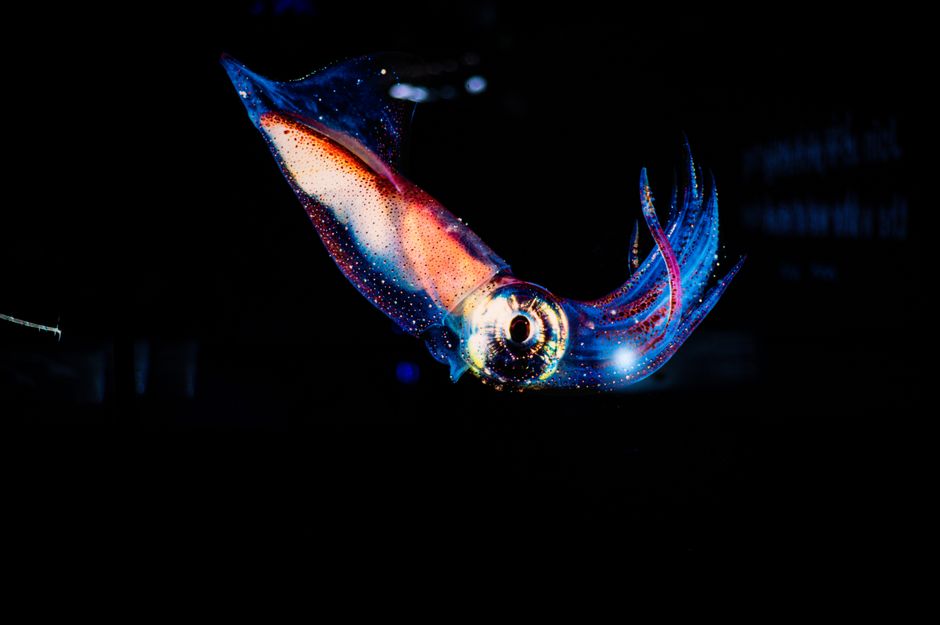
For centuries, sailors whispered tales of monstrous tentacled beasts lurking in the ocean's depths, capable of dragging entire ships to their doom. These kraken myths and giant squid legends seemed like pure fantasy—until science caught up. The real creatures behind the folklore turn out to be just as fascinating as the stories themselves, and in some ways, even stranger. What began as ancient maritime terror has become one of marine biology's most captivating mysteries.

The line between myth and reality blurs when you discover what lives in the deep ocean. Giant squids exist, they're enormous, and they've inspired generations of storytellers. But separating fact from fiction reveals surprising truths about both the legends and the animals that sparked them.

Key Takeaways

  • Giant squids can grow to lengths exceeding 40 feet, with eyes the size of dinner plates—the largest in the animal kingdom.
  • The kraken legend likely originated from real encounters with giant squids and colossal squids in the North Atlantic.
  • Scientists didn't capture video footage of a living giant squid in its natural habitat until 2012.
  • Sperm whales hunt giant squids in the deep ocean, and their bodies often bear circular scars from squid suckers.
  • Colossal squids are heavier and more aggressive than giant squids, with rotating hooks on their tentacles.
  • Ancient Norse sailors described the kraken as an island-sized creature that created whirlpools when it submerged.

Kraken Myths Giant Squids Inspired Across Cultures

The kraken legend dominates Scandinavian folklore, but tentacled sea monsters appear in cultures worldwide. Norse sailors described a creature so massive that ships mistook its back for an island. When the beast descended, it supposedly created whirlpools powerful enough to suck vessels into the abyss. These accounts weren't entirely imaginary—they likely stemmed from genuine sightings of giant squids surfacing in Norwegian waters.

Similar creatures populate other maritime traditions. Japanese folklore speaks of the Akkorokamui, a gigantic octopus-like being. Greek mythology featured the multi-headed Scylla. What's remarkable is the consistency: cultures separated by thousands of miles all imagined enormous cephalopods as apex predators of the deep. This suggests sailors across the globe encountered something real enough to inspire similar nightmares.

The scientific name for the giant squid, Architeuthis dux, translates roughly to "ruling squid." Even taxonomists acknowledged these animals' legendary status. Before the mid-1800s, most scientists dismissed kraken stories as sailor superstition. Then bodies started washing ashore.

1. Giant Squid Eyes Are the Largest in the Animal Kingdom

A giant squid's eye can measure up to 10 inches in diameter—about the size of a dinner plate or basketball. No other animal on Earth has eyes this large. Why such massive peepers? The answer lies in their habitat. Giant squids hunt in the mesopelagic and bathypelagic zones, where sunlight barely penetrates. These enormous eyes gather every available photon, allowing the squid to detect prey and predators in near-total darkness.

The eye structure is particularly adapted for spotting large moving objects from great distances. Scientists believe giant squids use their exceptional vision primarily to detect sperm whales, their main predator. In the deep ocean's dim twilight, being able to see a whale's silhouette from 400 feet away could mean the difference between escape and becoming lunch.

2. Scientists Didn't Film a Living Giant Squid Until the 21st Century

Despite centuries of legends, humanity captured video footage of a living giant squid in its natural deep-sea environment only in 2012. A team of researchers from Japan's National Science Museum recorded the historic footage off the Ogasawara Islands, at depths around 2,000 feet. The squid measured roughly 10 feet long and displayed shimmering, silvery coloration that scientists had never observed in dead specimens.

Before this breakthrough, all knowledge of giant squids came from dead or dying animals—washed ashore, caught in fishing nets, or found in sperm whale stomachs. The 2012 footage revealed behaviors impossible to study from carcasses: how the animals move, hunt, and interact with their environment. It took thousands of hours of deep-sea filming and specialized camera equipment to achieve what had eluded marine biologists for generations.

3. Sperm Whales and Giant Squids Wage Epic Deep-Sea Battles

Sperm whales dive to depths exceeding 3,000 feet to hunt giant squids, their preferred prey. The evidence of these encounters is written on the whales' bodies: circular scars from squid suckers, some several inches across, mark the skin of most adult sperm whales. These aren't peaceful meals—the squids fight back ferociously.

Scientists have found giant squid beaks lodged in whale stomachs and throats. Occasionally, whales surface with fresh wounds or squid tentacles still attached. The battles occur in complete darkness, with the whale using echolocation to navigate and the squid relying on its enormous eyes. Some researchers believe the bioluminescent displays of certain deep-sea squids might actually attract sperm whales, turning the predator-prey relationship into a deadly game of underwater hide-and-seek.

4. Colossal Squids Are Even More Formidable Than Giant Squids

While giant squids capture public imagination, their cousin the colossal squid (Mesoplodon hamiltoni) might be even more impressive. Colossal squids are shorter in overall length but significantly heavier, with more robust bodies and thicker tentacles. Their most terrifying feature? Rotating hooks embedded in their suckers, capable of shredding prey.

Feature Giant Squid Colossal Squid
Maximum Length 43+ feet 30-33 feet
Maximum Weight 600 pounds 1,000+ pounds
Eye Diameter 10 inches 11 inches
Tentacle Weapons Suckers with teeth Suckers with rotating hooks
Primary Habitat Worldwide deep waters Antarctic waters

Colossal squids inhabit the deep Antarctic waters and are even rarer than giant squids. Only a handful of complete specimens have been recovered, mostly from the stomachs of sperm whales caught by whalers. The largest colossal squid on record was caught by New Zealand fishermen in 2007 and now resides at the Museum of New Zealand Te Papa Tongarewa.

5. Giant Squids Have Three Hearts and Blue Blood

Like other cephalopods, giant squids possess three hearts: two branchial hearts pump blood to the gills, while one systemic heart circulates it to the rest of the body. This arrangement efficiently delivers oxygen throughout their massive bodies. Their blood appears blue because it uses hemocyanin rather than hemoglobin to transport oxygen. Hemocyanin contains copper instead of iron, making it more efficient in cold, oxygen-poor deep-sea environments.

The squid's nervous system is equally remarkable. Their brain is donut-shaped, with their esophagus passing directly through the center. This means swallowing anything too large could cause brain damage—which might explain why squids use their sharp beaks to cut food into small pieces before eating.

6. Ancient Kraken Myths Influenced Naval Architecture

Kraken legends weren't just scary stories—they influenced how ships were designed and how sailors behaved at sea. Norwegian and Icelandic fishing communities avoided certain waters during specific seasons, believing krakens were more active then. Some historians suggest these "kraken zones" might have actually been areas where giant squids surfaced to spawn or feed, making the superstitions accidentally accurate.

Ship captains sometimes designed vessels with reinforced hulls specifically to withstand "kraken attacks." While no giant squid has ever intentionally attacked a ship, smaller vessels have reported encounters with large squids that approached boats at night, possibly attracted by lights. These rare interactions kept the legends alive well into the age of steam power.

7. Giant Squid Beaks Are Harder Than Most Metals

A giant squid's beak is one of nature's engineering marvels. Made primarily of chitin, proteins, and water, it's harder than most metals at its tip yet gradually becomes softer toward the base where it attaches to soft tissue. This gradient prevents the squid from injuring itself with its own weapon—a problem that would occur if a completely hard beak connected to completely soft tissue.

The beak can slice through fish, crustaceans, and even other squids with ease. Scientists study giant squid beaks to develop better synthetic materials, particularly for medical implants that need to interface between hard and soft tissues. The beak's structure has inspired designs for everything from surgical tools to industrial cutting implements.

Frequently Asked Questions

Has a giant squid ever attacked a human?

There are no verified accounts of giant squids attacking humans. These animals live in deep waters far from where people swim or dive, and they typically flee from anything unfamiliar. The creatures are elusive and avoid surface activity.

How deep do giant squids live?

Giant squids typically inhabit depths between 1,000 and 3,000 feet, though they occasionally venture deeper or surface at night. They prefer the mesopelagic zone where light fades but doesn't completely disappear, allowing their massive eyes to function effectively.

What do giant squids eat?

Giant squids primarily feed on deep-sea fish, smaller squids, and occasionally crustaceans. They're ambush predators that use their two long feeding tentacles to snatch prey, then bring it to their eight shorter arms and sharp beak for processing.

Are giant squids endangered?

Scientists don't have enough data to determine giant squid population numbers or conservation status. Because they live in deep, remote ocean areas and are rarely observed, assessing their population health remains extremely difficult. They're not currently listed as endangered.

The next time you hear a kraken story, remember that reality rivals fiction. Somewhere in the ocean's depths, creatures with eyes the size of dinner plates and tentacles longer than a bus hunt in total darkness, just as they have for millions of years. We've barely begun to understand them.