
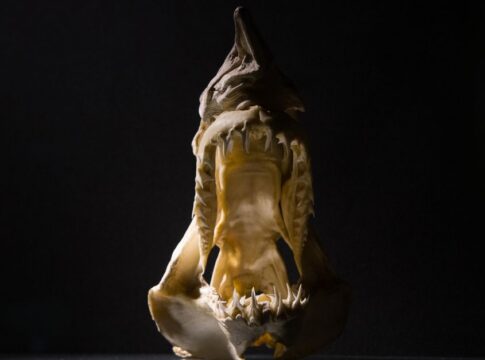
Did Megalodon Sharks Survive Extinction or Go Extinct
By Trivia Daily, Animals Desk — Published October 3, 2026
Table of Contents
- Key Takeaways
- What Made Megalodon Sharks Such Dominant Predators
- The Evidence for Megalodon Extinction
- Why Megalodon Couldn’t Hide in the Deep Ocean
- What Actually Caused Megalodon to Go Extinct
- How Megalodon Compares to Modern Sharks
- Frequently Asked Questions
The megalodon, a massive prehistoric shark that once ruled the ancient oceans, has captivated imaginations for decades. With teeth the size of human hands and a body length that could rival a school bus, this apex predator was among the most formidable creatures ever to swim the seas. But did megalodon sharks survive into modern times, or did they truly vanish millions of years ago? The scientific consensus is clear: these enormous animals went extinct approximately 3.6 million years ago, long before humans walked the Earth.
Despite persistent rumors, alleged sightings, and sensational documentaries suggesting otherwise, no credible evidence supports the survival of this species into the present day. The fossil record, marine biology, and our understanding of ocean ecosystems all point to the same conclusion—megalodon is gone forever.
Key Takeaways
- Megalodon sharks went extinct roughly 3.6 million years ago during the Pliocene epoch, well before modern humans evolved.
- These prehistoric predators grew to lengths of approximately 50 to 60 feet, making them three times larger than today’s great white sharks.
- No physical evidence—teeth, vertebrae, or tissue—from the past 3.6 million years has been discovered to suggest their survival.
- Climate change, shifting ocean temperatures, and the decline of their primary prey likely contributed to their extinction.
- Modern ocean exploration and technology would have detected such a large apex predator if it still existed in our seas.
- The megalodon’s closest living relative is the great white shark, though they belong to different families within the animal kingdom.
What Made Megalodon Sharks Such Dominant Predators
Megalodon wasn’t just another large shark—it was a biological marvel perfectly adapted to its habitat. Scientists estimate these creatures weighed between 50 and 70 tons, with some specimens possibly reaching even greater sizes. Their teeth alone measured up to seven inches in length, designed to crush bone and tear through the thick blubber of marine mammals.
The behavior of this ancient species likely resembled that of modern great whites, but on a dramatically larger scale. Megalodon hunted whales, dolphins, seals, and other large marine animals in warm, shallow coastal waters around the globe. Fossil evidence shows their teeth have been found on every continent except Antarctica, indicating a truly worldwide distribution during their reign.
Their massive size required enormous amounts of food. A single megalodon might have needed to consume roughly 2,500 pounds of food daily to maintain its metabolism. This voracious appetite made them the undisputed apex predators of their time, with no natural enemies among ocean wildlife.
The Evidence for Megalodon Extinction
The fossil record provides the most compelling evidence that these animals are truly extinct. Shark skeletons are made of cartilage rather than bone, which doesn’t fossilize easily. However, shark teeth are incredibly durable and fossilize readily. Megalodon teeth are found in marine sediments dating back millions of years, but none have been discovered in geological layers younger than 3.6 million years old.
If megalodon had survived, we would expect to find fresh teeth washing up on beaches, younger fossils in more recent sediment layers, or some physical trace of these massive creatures. The ocean may be vast, but an animal of this size couldn’t hide indefinitely. Modern technology—including deep-sea submersibles, satellite tracking, and extensive fishing operations—monitors ocean life constantly. A 60-foot predator would leave unmistakable signs.
The nature of ocean ecosystems also argues against survival. Megalodon required specific environmental conditions and abundant prey populations. The dramatic climate shifts at the end of the Pliocene epoch altered ocean temperatures and currents, disrupting the marine food web that sustained these giants.
Why Megalodon Couldn’t Hide in the Deep Ocean
One popular theory suggests megalodon might survive in unexplored deep-sea trenches, hidden from human detection. This idea makes for exciting fiction but contradicts everything scientists know about shark behavior and ocean ecology. Megalodon was adapted for warm, shallow coastal waters where large marine mammals congregated—not the frigid, lightless depths of ocean trenches.
Deep ocean habitats lack the food resources necessary to support such a large predator. The prey species megalodon hunted—whales, large fish, and marine mammals—live in surface waters where sunlight penetrates and productivity is high. A creature requiring thousands of pounds of food daily couldn’t survive in the nutrient-poor deep sea.
Temperature presents another barrier. Modern great white sharks, the megalodon’s smaller cousins, prefer water temperatures between 54 and 75 degrees Fahrenheit. Deep ocean water hovers just above freezing. A massive predator like megalodon would need even more warmth to maintain its metabolism and support its enormous body.
What Actually Caused Megalodon to Go Extinct
Scientists have identified several factors that likely combined to drive this species to extinction. Climate change during the Pliocene epoch cooled ocean temperatures globally, reducing the warm-water habitats megalodon preferred. Ocean currents shifted, altering nutrient distribution and affecting the entire marine food web.
The decline of baleen whales—a primary food source—may have been particularly devastating. As ocean conditions changed, whale populations shifted their migration patterns or declined in certain regions. Without sufficient prey, megalodon populations couldn’t sustain themselves across their former range.
Competition from emerging predator species, including early ancestors of modern killer whales, may have pressured megalodon populations. These smaller, more adaptable hunters could thrive in changing conditions where the massive, specialized megalodon struggled. The combination of environmental stress, food scarcity, and competition created a perfect storm that this once-dominant predator couldn’t weather.
How Megalodon Compares to Modern Sharks
| Feature | Megalodon (Extinct) | Great White Shark | Whale Shark |
|---|---|---|---|
| Maximum Length | 50-60 feet | 20 feet | 40 feet |
| Estimated Weight | 50-70 tons | 2-2.5 tons | 20 tons |
| Tooth Size | Up to 7 inches | Up to 3 inches | Tiny (filter feeder) |
| Diet | Large marine mammals | Seals, fish, dolphins | Plankton, small fish |
| Habitat | Warm coastal waters | Temperate/tropical oceans | Tropical/warm oceans |
Frequently Asked Questions
Could megalodon sharks still be alive in unexplored parts of the ocean?
No credible scientific evidence supports this possibility. The ocean is extensively monitored, and a predator of megalodon’s size would leave detectable signs including prey remains, teeth, and physical sightings. The species has been extinct for 3.6 million years.
What is the largest shark alive today?
The whale shark holds this distinction, reaching lengths up to 40 feet and weighing approximately 20 tons. Unlike megalodon, whale sharks are gentle filter feeders that consume plankton rather than hunting large prey.
How do scientists know what megalodon looked like if only teeth fossilize?
Paleontologists reconstruct megalodon’s appearance by comparing its teeth and rare vertebrae fossils with modern shark anatomy. They use great white sharks as a model, scaling up proportionally based on tooth size and applying knowledge of shark biology and biomechanics.
When was the last megalodon tooth formed?
The youngest confirmed megalodon fossils date to approximately 3.6 million years ago, during the Pliocene epoch. No authenticated specimens exist from more recent geological periods, confirming the animal’s complete extinction millions of years before human evolution.
The story of megalodon reminds us that even the most dominant species can vanish when environmental conditions shift beyond their adaptive capacity. While this magnificent predator no longer patrols our oceans, its legacy lives on in the fossil record—and in our enduring fascination with the creatures that once ruled a world we can barely imagine.