
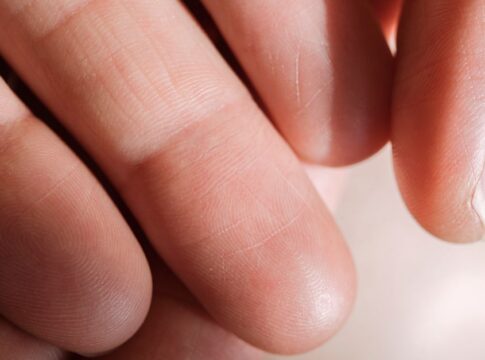
Why Your Fingerprints Can Regenerate After Burns
By Trivia Daily, Staff Writer — Published November 3, 2026
Table of Contents
- Key Takeaways
- The Hidden Blueprint: Where Fingerprints Really Come From
- What Happens When Burns Strike
- The Criminal History of Fingerprint Destruction
- Comparing Burn Severity and Fingerprint Recovery
- Other Ways Fingerprints Can Change (or Can’t)
- Frequently Asked Questions
Imagine burning your fingertip on a hot stove, watching the skin blister and peel away. You might assume your unique fingerprint pattern is gone forever. Surprisingly, that’s not what happens. Your fingerprints regenerate after burns—even fairly severe ones—thanks to a hidden layer of skin that acts like a biological blueprint. This fascinating fact about how fingerprints regenerate burns reveals one of the human body’s most remarkable recovery systems, and the science behind it is more interesting than you might expect.
The secret lies beneath the surface you can see. While the outer layer of skin may be destroyed, the pattern-making machinery sits deeper, ready to rebuild what was lost.
Key Takeaways
- Fingerprints form in a layer called the basal layer, which sits beneath the visible surface of your skin.
- Even second-degree burns that destroy the outer skin typically leave the basal layer intact, allowing fingerprints to regenerate with the same pattern.
- Only third-degree burns that reach deep enough to destroy the basal layer can permanently alter or erase fingerprints.
- The regeneration process can take weeks to months, depending on burn severity, but the pattern remains remarkably consistent.
- Criminals have historically attempted to destroy their fingerprints through burning or acid, but these efforts usually fail unless the damage is severe enough to cause significant scarring.
- Your fingerprint pattern is determined during fetal development and remains essentially unchanged throughout your lifetime.
The Hidden Blueprint: Where Fingerprints Really Come From
Your fingerprints don’t just sit on the surface of your skin. They’re created by a layer called the basal layer, located in the epidermis about one millimeter below what you can see and touch. This layer contains the cells responsible for generating new skin, and it holds the template for your unique ridge patterns.
Think of it like a stamp and ink pad. The basal layer is the stamp—the permanent mold. The visible ridges on your fingertips are just the ink impression. Destroy the ink, and the stamp can create a new one. Destroy the stamp itself, and the pattern is lost forever.
When you develop in the womb, your fingerprints form between the tenth and nineteenth weeks of gestation. The exact pattern depends on multiple factors: genetic instructions, blood pressure in the tiny capillaries of your developing fingers, the position of your hands in the amniotic fluid, and even the density of amniotic fluid itself. This combination of factors is so unique that even identical twins—who share the same DNA—have different fingerprints.
Why the Pattern Stays Consistent
Once formed, the basal layer maintains its structure throughout your life. As old skin cells die and flake away from the surface, new cells generated by the basal layer push upward, following the same pattern. It’s a continuous conveyor belt of renewal, replacing your entire outer skin roughly every few weeks while preserving the underlying architecture.
What Happens When Burns Strike
Burns are classified by depth. First-degree burns affect only the outermost layer of skin—think of a mild sunburn. These don’t even come close to threatening your fingerprints. Second-degree burns penetrate deeper, causing blisters and destroying more tissue, but they typically stop short of the basal layer. Your fingerprints will regenerate completely after these injuries.
Third-degree burns are the game-changer. These burns destroy all layers of skin, including the basal layer where fingerprint patterns originate. When this happens, the body can’t simply regenerate the same pattern. Instead, scar tissue forms—a different type of tissue that doesn’t carry the original fingerprint blueprint.
The regeneration timeline varies. A minor burn might allow fingerprints to return within a few weeks. More severe second-degree burns can take several months for complete pattern restoration. During healing, the fingerprint may appear distorted or incomplete, but as new skin continues to grow from the intact basal layer, the familiar whorls and loops gradually reappear.
The Criminal History of Fingerprint Destruction
Law enforcement has relied on fingerprints for identification since the late nineteenth century. It didn’t take long for criminals to realize this and attempt to erase their prints. The notorious gangster John Dillinger famously tried to destroy his fingerprints using acid in 1934. Despite his efforts, the patterns remained identifiable enough for authorities to confirm his identity.
Others have attempted burning, cutting, or abrading their fingertips. These attempts rarely succeed in completely erasing fingerprints. The damage required to permanently destroy the basal layer is severe—painful enough that most people can’t inflict it on themselves, and extensive enough to create obvious scarring that itself becomes a distinctive identifying feature.
Modern forensic science can even work with partial or damaged prints. Scars themselves create unique patterns that can be catalogued. The very act of trying to remove fingerprints often leaves evidence of the attempt.
Comparing Burn Severity and Fingerprint Recovery
| Burn Degree | Depth of Damage | Fingerprint Impact | Recovery Time |
|---|---|---|---|
| First-Degree | Outer epidermis only | No lasting effect | Days to one week |
| Second-Degree (Superficial) | Through epidermis, partial dermis | Temporary loss, full regeneration | 2-6 weeks |
| Second-Degree (Deep) | Most of dermis | Temporary loss, usually full regeneration | 6 weeks to 3 months |
| Third-Degree | All skin layers destroyed | Permanent alteration or loss | Pattern does not return; scar tissue forms |
Other Ways Fingerprints Can Change (or Can’t)
Burns aren’t the only injury people worry about. Cuts that don’t reach the basal layer will heal without altering your prints. Deep lacerations that sever the basal layer may create permanent scars that disrupt the pattern, but the surrounding areas regenerate normally.
Some occupations cause temporary fingerprint wear. Bricklayers, construction workers, and people who work extensively with their hands may develop smoother fingertips from constant abrasion. But these changes are superficial. Stop the abrasive activity, and the prints gradually return to their original state.
Certain medical conditions can affect fingerprints. Chemotherapy patients sometimes experience temporary fingerprint loss. A rare genetic condition called adermatoglyphia causes people to be born without fingerprints entirely. These individuals have normal skin but lack the ridge patterns most people develop in the womb.
Age does cause some changes. Elderly individuals may have less pronounced ridges due to skin thinning and reduced elasticity, but the underlying pattern remains the same one formed before birth.
Frequently Asked Questions
Can you permanently remove your fingerprints?
Yes, but only through severe injury that destroys the basal layer of skin, such as third-degree burns, deep cuts, or strong acids. The resulting scar tissue doesn’t regenerate the original pattern and itself becomes a distinguishing feature.
How long does it take for fingerprints to grow back after a burn?
Minor burns may allow fingerprints to return within a few weeks. Second-degree burns typically require two to three months for complete regeneration, provided the basal layer remains intact.
Do fingerprints change as you age?
The basic pattern remains identical throughout life, but the ridges may become less pronounced due to skin thinning, reduced elasticity, and wear. The core identifying features stay consistent from infancy to old age.
Why are fingerprints unique even in identical twins?
While genetics play a role in fingerprint formation, environmental factors in the womb—including finger position, amniotic fluid density, and blood flow—create unique patterns. These developmental conditions differ even for twins sharing the same genetic code.
The next time you notice a small burn or cut on your fingertip, remember that beneath the temporary damage lies a resilient biological blueprint, patiently waiting to rebuild what was lost. Your fingerprints are more permanent than they appear, yet more vulnerable than you might hope—a curious balance that has made them both a reliable identifier and an occasional target for those hoping to disappear.