
Why Giraffes Only Sleep Five Minutes at a Time
By Trivia Daily, Animals Desk — Published November 3, 2026
Table of Contents
- Key Takeaways
- Why Giraffes Sleep Five Minutes: The Vulnerability Problem
- The Science Behind Giraffe Sleep Behavior
- Comparing Sleep Patterns Across Wildlife Species
- Adaptations That Make Minimal Sleep Possible
- What This Means for Giraffe Conservation
- Frequently Asked Questions
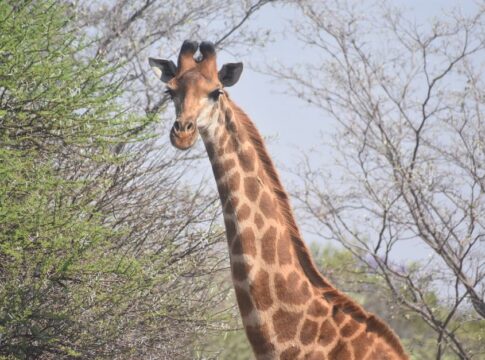
Imagine being so vulnerable while you rest that you can only afford to close your eyes for a few minutes before checking your surroundings again. That’s the reality for giraffes, the tallest land animals on Earth. While the popular claim that giraffes sleep five minutes at a time is a slight oversimplification, these magnificent creatures do have one of the most fragmented and brief sleep patterns in the animal kingdom. Wild giraffes typically sleep in short bursts totaling just 30 minutes to two hours per day, with each nap lasting only a few minutes. This unusual behavior stems from their unique anatomy and the constant threat of predators in their African habitat.
The giraffe’s relationship with sleep reveals one of nature’s most fascinating trade-offs between rest and survival. Their towering height, which can reach up to 18 feet, makes them both majestic and remarkably defenseless when lying down.
Key Takeaways
- Giraffes sleep approximately 30 minutes to two hours total per day, broken into brief intervals of just a few minutes each.
- The lying-down position required for deep sleep leaves giraffes extremely vulnerable to predators like lions and hyenas.
- Standing up from a prone position takes giraffes considerable time and effort due to their extreme height and body structure.
- Giraffes can doze while standing, allowing them to remain semi-alert and ready to flee at a moment’s notice.
- Wild giraffes sleep significantly less than their counterparts in zoos, where predator threats are absent.
- This species has evolved one of the shortest sleep requirements of any mammal as a survival adaptation.
Why Giraffes Sleep Five Minutes: The Vulnerability Problem
The primary reason giraffes take such brief naps relates directly to predation risk. In the savannas and woodlands of Africa, lions, leopards, and hyenas pose constant threats. While an adult giraffe’s powerful kick can kill a lion, this defense mechanism only works when the animal is upright and alert. A sleeping giraffe, especially one lying down in the deep sleep position, becomes an easy target.
Getting up from a lying position presents a serious challenge for these creatures. The process requires folding and unfolding those impossibly long legs in a specific sequence, and the entire maneuver can take several seconds. In the wild, those seconds could mean the difference between life and death. A stalking predator could cover significant ground while a giraffe struggles to stand, making the act of lying down inherently dangerous.
Giraffes have developed two distinct resting positions. They can doze while standing, locking their knees in a special mechanism that allows them to rest without collapsing. This light sleep keeps them ready to bolt at the first sign of danger. For deeper sleep, they must fold their legs beneath their bodies and often curl their necks back to rest their heads on their hindquarters. This position, while necessary for true rest, leaves them completely exposed.
The Science Behind Giraffe Sleep Behavior
Sleep researchers have studied giraffe behavior both in captivity and in the wild, revealing fascinating differences between the two environments. Captive giraffes, free from predator threats, sleep significantly more than their wild relatives. Zoo giraffes may rest for four to five hours per day, demonstrating that the species is capable of more sleep when safety allows.
The fragmented sleep pattern of wild giraffes represents an evolutionary adaptation. Unlike humans and many other mammals that experience consolidated sleep periods, giraffes have evolved to function on what scientists call polyphasic sleep—multiple short sleep episodes scattered throughout a 24-hour period. Each brief nap provides just enough restorative benefit without exposing the animal to prolonged vulnerability.
Interestingly, giraffes do experience REM (rapid eye movement) sleep, the phase associated with dreaming in humans. However, these REM periods are extremely brief, sometimes lasting only a minute or two. The animal must be lying down to enter REM sleep, which explains why these deep sleep sessions are so rare and short-lived in the wild.
Comparing Sleep Patterns Across Wildlife Species
| Animal | Average Daily Sleep | Sleep Pattern |
|---|---|---|
| Giraffe (wild) | 30 minutes to 2 hours | Multiple brief naps |
| Horse | 2 to 3 hours | Short periods, mostly standing |
| Elephant | 2 to 4 hours | Short intervals, standing or lying |
| Lion | 12 to 16 hours | Long periods of rest |
| Brown Bat | 19 to 20 hours | Extended sleep periods |
| Human | 7 to 9 hours | Consolidated nighttime sleep |
This comparison reveals a clear pattern in nature: predators can afford to sleep extensively, while prey animals must remain vigilant. The giraffe’s minimal sleep requirement places it among the least-sleeping mammals on the planet, alongside other large herbivores that face similar survival pressures.
Adaptations That Make Minimal Sleep Possible
How does an animal function on so little sleep? Giraffes possess several physiological adaptations that allow them to thrive despite their abbreviated rest periods. Their brains appear to require less sleep than many other mammals, though the exact neurological mechanisms remain subjects of ongoing research.
The standing rest position provides some restorative benefits without the risks of lying down. While not as rejuvenating as deep sleep, this semi-alert state allows the giraffe’s body to conserve energy and process the massive amounts of vegetation it consumes daily. An adult giraffe eats up to 75 pounds of leaves per day, primarily from acacia trees, and this constant foraging leaves little time for extended rest anyway.
Their social structure also plays a role in sleep behavior. Giraffes sometimes rest in small groups, with individuals taking turns keeping watch. This communal vigilance allows each animal to grab slightly longer rest periods, knowing that others are monitoring for threats. However, even in groups, their sleep remains remarkably brief compared to most mammals.
What This Means for Giraffe Conservation
Understanding giraffe sleep patterns has implications for conservation efforts. As human development encroaches on wildlife habitats, giraffes face increased stress and reduced access to safe resting areas. Habitat fragmentation forces these animals into smaller territories where predator encounters become more frequent, potentially reducing their already minimal sleep even further.
Several giraffe subspecies face declining populations, with some conservation organizations advocating for greater protections. The Masai giraffe, reticulated giraffe, and other populations have experienced significant decreases due to habitat loss, poaching, and human-wildlife conflict. Preserving large, contiguous habitats where giraffes can maintain their natural behaviors—including their unique sleep patterns—remains crucial for the species’ long-term survival.
Frequently Asked Questions
Do giraffes ever sleep lying down?
Yes, giraffes do lie down to sleep, but only for very brief periods and only when they need deep REM sleep. Wild giraffes might lie down for just a few minutes at a time, while zoo giraffes in safe environments may lie down for longer periods.
How long can a giraffe go without sleeping at all?
While the exact limits aren’t well documented, giraffes can remain active for extended periods with only minimal standing rest. Their ability to doze while standing means they’re rarely completely sleep-deprived, even if they don’t lie down for days.
Do baby giraffes sleep more than adults?
Yes, young giraffes sleep more than adults, sometimes resting for several hours per day in their first weeks of life. As they mature and become more aware of predator threats, their sleep patterns gradually shift to match the brief, fragmented sleep of adult giraffes.
Which animal sleeps the least in the world?
Giraffes are among the shortest-sleeping mammals, but some marine mammals like certain whale and dolphin species may sleep even less, using unihemispheric sleep where only half the brain rests at a time. Among land mammals, giraffes and elephants compete for the title of least sleep required.
The next time you struggle to wake up after eight hours of sleep, spare a thought for the giraffe, thriving on mere minutes of rest scattered throughout the day. Their remarkable adaptation reminds us that nature’s solutions to survival challenges can be as diverse as the species themselves, each creature finding its own balance between the need for rest and the demands of staying alive in the wild.