
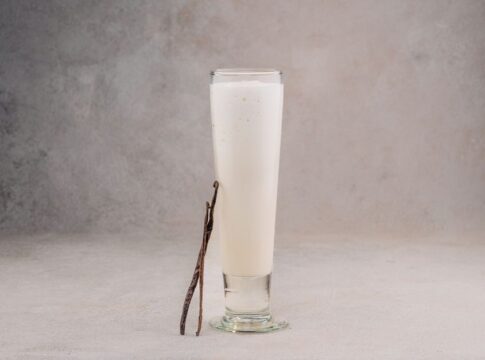
The Hidden Story of Vanilla Being the Second Priciest Spice
By Trivia Daily, Staff Writer — Published November 5, 2026
Table of Contents
- Key Takeaways
- The Hidden Story of Vanilla: Why This Spice Costs a Fortune
- From Flower to Flavor: The Time-Intensive Curing Process
- Madagascar’s Vanilla Monopoly and Price Volatility
- Real Vanilla vs. Synthetic Vanillin: A Price Comparison
- Why Vanilla Remains Expensive Despite Alternatives
- Frequently Asked Questions
Most people sprinkle vanilla extract into their cookies without a second thought, but this everyday flavoring carries a surprising secret. Vanilla ranks as the second most expensive spice in the world by weight, trailing only saffron. The hidden story of vanilla reveals a labor-intensive cultivation process, a fascinating pollination quirk, and price swings that can rival precious metals. What makes this common ingredient so extraordinarily costly? The answer lies in the orchids of Madagascar and a delicate hand-pollination technique that’s been used for nearly two centuries.
You might discover vanilla in everything from ice cream to candles, yet few realize the amazing journey each bean takes from flower to finished product. This trivia explores the curious facts behind vanilla’s hefty price tag and the interesting agricultural challenges that keep it expensive.
Key Takeaways
- Vanilla is the second most expensive spice globally, surpassed only by saffron in price per pound.
- Vanilla comes from orchids, and each flower must be pollinated by hand in most commercial growing regions because the natural pollinator doesn’t exist outside Mexico.
- Madagascar produces roughly 80 percent of the world’s natural vanilla supply, making the spice vulnerable to cyclones and weather disruptions.
- A single vanilla orchid takes three to four years to produce its first flowers, and the beans require months of curing after harvest.
- Vanilla prices have experienced dramatic spikes, sometimes exceeding $600 per kilogram due to crop failures and rising demand.
- The vanilla flavor most people know comes from synthetic vanillin, which costs a fraction of real vanilla extract.
The Hidden Story of Vanilla: Why This Spice Costs a Fortune
Vanilla beans grow on Vanilla planifolia, a climbing orchid native to Mexico. The Totonac people of Mexico first cultivated vanilla, followed by the Aztecs, who used it to flavor chocolate drinks. When Europeans discovered vanilla in the 16th century, they quickly became obsessed with its unique flavor. But there was a problem: vanilla orchids transplanted to other tropical regions refused to produce beans.
The mystery persisted for centuries. Vanilla flowers bloom for just one day, and in their native Mexico, a specific species of Melipona bee pollinates them. These bees don’t exist in Madagascar, Réunion, or other islands where colonizers tried to grow vanilla commercially. The breakthrough came in 1841 when Edmond Albius, an enslaved 12-year-old boy on Réunion, developed a hand-pollination technique still used today. His method involves lifting a small flap inside the flower and pressing the male and female parts together with a bamboo stick or grass blade.
This manual process means every single vanilla bean you’ve ever encountered was likely pollinated by a human hand. Workers must inspect the orchids daily during flowering season and pollinate each bloom within hours of opening. One worker can pollinate about 1,000 flowers per day—backbreaking labor under tropical sun.
From Flower to Flavor: The Time-Intensive Curing Process
Pollination is just the beginning. After successful pollination, vanilla pods take roughly nine months to mature on the vine. Harvested pods are green, hard, and completely odorless. The characteristic vanilla aroma only develops through a curing process that takes three to six months and requires constant attention.
The traditional Bourbon method, used in Madagascar and other Indian Ocean islands, involves several stages:
- Killing: beans are briefly dipped in hot water to halt growth and initiate enzymatic changes
- Sweating: beans are wrapped in blankets and stored in airtight containers, where they turn brown and begin developing flavor compounds
- Drying: beans are sun-dried during the day and stored at night for weeks, gradually reducing moisture content
- Conditioning: beans rest in closed boxes for one to two months, allowing flavors to mature and stabilize
Throughout this process, workers must monitor beans constantly to prevent mold, ensure even drying, and achieve the perfect moisture content. Skilled curers can judge quality by touch, smell, and appearance. The entire journey from pollination to market-ready vanilla takes well over a year.
Madagascar’s Vanilla Monopoly and Price Volatility
Madagascar dominates global vanilla production, supplying approximately 80 percent of the world’s natural vanilla. The island’s northeastern SAVA region (named for the towns Sambava, Antalaha, Vohémar, and Andapa) provides ideal growing conditions. This geographic concentration creates significant price volatility. When Cyclone Enawo struck Madagascar in 2017, it destroyed a substantial portion of vanilla crops, and prices skyrocketed to historic highs.
Vanilla prices fluctuate more wildly than many commodities. In 2003, vanilla sold for around $40 per kilogram. By 2018, prices had climbed above $600 per kilogram—more expensive than silver. These price swings affect everyone from small-scale farmers to major food corporations. High prices encourage theft; in Madagascar, vanilla farmers sometimes guard their crops at night, and beans are harvested early to prevent stealing, which can reduce quality.
Real Vanilla vs. Synthetic Vanillin: A Price Comparison
The high cost of natural vanilla has driven food manufacturers toward alternatives. Synthetic vanillin, the primary flavor compound in vanilla, can be produced from wood pulp byproducts, petroleum derivatives, or more recently, from fermented ferulic acid. Synthetic vanillin costs roughly one percent of natural vanilla extract prices.
| Product Type | Source | Approximate Cost | Flavor Complexity |
|---|---|---|---|
| Pure vanilla extract | Cured vanilla beans | $50–$300 per liter | Over 250 flavor compounds |
| Synthetic vanillin | Chemical synthesis | $10–$15 per kilogram | Single compound |
| Vanilla beans (whole) | Cured orchid pods | $200–$600 per kilogram | Full spectrum flavor |
Natural vanilla contains vanillin plus hundreds of other aromatic compounds that create depth and complexity. Synthetic vanillin delivers the basic vanilla taste but lacks the nuanced flavor profile of real beans. Many premium ice creams, chocolates, and baked goods still use natural vanilla despite the cost because discerning consumers notice the difference.
Why Vanilla Remains Expensive Despite Alternatives
Several factors keep vanilla prices high even as synthetic alternatives proliferate. Consumer demand for natural ingredients continues rising, with many people willing to pay premium prices for products labeled “made with real vanilla.” The organic and natural food movements have intensified this trend. Clean-label regulations in various countries require manufacturers to disclose artificial flavorings, pushing some companies back toward natural vanilla.
Growing vanilla remains stubbornly resistant to industrialization. The orchids require shade, support structures, and precise humidity levels. Mechanizing hand-pollination has proven impractical. The plants take years to mature and remain productive for only 12 to 14 years. Climate change threatens traditional growing regions with unpredictable weather patterns, and vanilla orchids are susceptible to various diseases that can devastate crops.
Frequently Asked Questions
Why is vanilla more expensive than most other spices?
Vanilla requires hand-pollination for each flower, takes nine months to mature after pollination, and needs three to six months of labor-intensive curing. This manual process, combined with limited growing regions and high global demand, drives prices to second place behind only saffron.
Can vanilla be grown outside tropical regions?
Vanilla orchids require tropical conditions with consistent warmth, high humidity, and partial shade. While hobbyists can grow vanilla orchids in greenhouses in temperate climates, commercial production remains limited to tropical regions between 10 and 20 degrees latitude north and south of the equator.
How can you tell if a product contains real vanilla or synthetic vanillin?
Product labels in most countries must distinguish between “vanilla extract” (from real beans), “vanilla flavor” (may contain some real vanilla mixed with synthetic), and “artificial vanilla flavor” (entirely synthetic). Ingredient lists showing “vanilla bean” or “vanilla extract” indicate natural vanilla, while “vanillin” typically signals synthetic flavoring.
What is vanilla’s role beyond flavoring food?
Beyond culinary uses, vanilla appears in perfumes, aromatherapy products, and pharmaceuticals. Vanillin serves as a chemical precursor in manufacturing certain drugs, and vanilla’s pleasant scent makes it popular in candles, air fresheners, and cosmetics. Some research explores vanilla compounds for potential medicinal properties, though these applications remain in early stages.
The next time you enjoy vanilla ice cream or smell vanilla-scented candles, remember the orchid flowers pollinated by hand, the months of careful curing, and the farmers in Madagascar who maintain this centuries-old tradition. This common flavor carries an uncommonly complex story—one that connects ancient cultivation techniques with modern global economics, all for a taste we often take completely for granted.