
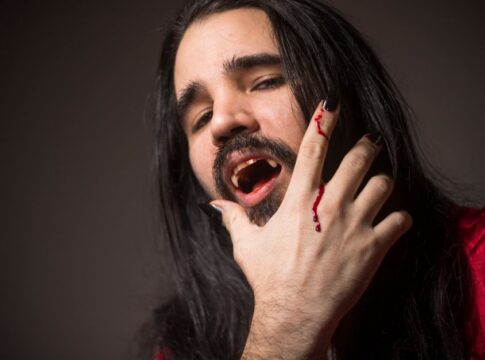
The Truth About Vampires Dying from Rare Blood Diseases
By Trivia Daily, Staff Writer — Published November 11, 2026
Table of Contents
- Key Takeaways
- The Truth Vampires Dying: Porphyria and the Blood Connection
- When Vitamin Deficiency Mimicked the Undead
- Infectious Diseases That Sparked Vampire Panics
- Neurological Conditions and Premature Burial
- Comparing Real Diseases to Vampire Mythology
- The Science Behind Decomposition Myths
- Frequently Asked Questions
The connection between vampires and blood runs deeper than folklore and fiction. Scholars have long explored the truth about vampires dying from rare blood diseases, discovering fascinating medical conditions that may have inspired centuries of undead legends. Real people throughout history suffered from disorders that made them appear corpse-like, sensitive to sunlight, and desperate for blood—symptoms that terrified medieval communities and sparked tales of the walking dead.
These medical mysteries reveal how science and superstition intertwined. What villagers once attributed to demonic possession, we now understand as genetic disorders with very real, very tragic consequences.
Key Takeaways
- Porphyria, a group of rare blood disorders, causes extreme photosensitivity and can make teeth appear reddish-brown under certain lighting conditions
- Pellagra, caused by severe niacin deficiency, produces symptoms including sensitivity to sunlight, dementia, and skin that appears to decay
- Rabies infections can cause hydrophobia, aggression, and a fear of mirrors—behaviors eerily similar to vampire mythology
- Catalepsy, a neurological condition causing rigid muscles and death-like trances, led to premature burials that fueled vampire panic
- Tuberculosis epidemics in New England during the 1800s triggered vampire hysteria when families seemed to waste away one by one
- These medical conditions demonstrate how human suffering became transformed into supernatural explanations before modern medicine
The Truth Vampires Dying: Porphyria and the Blood Connection
Porphyria encompasses several inherited disorders affecting heme production, the iron-containing component of blood. People with certain types experience excruciating sensitivity to sunlight. Their skin blisters and burns after minimal sun exposure, forcing them into nocturnal lifestyles. The condition can cause gums to recede, making teeth appear more prominent and sometimes stained reddish-brown from porphyrin accumulation.
In severe cases, fingers and facial features can become disfigured. Garlic, which contains a chemical that can worsen symptoms in porphyria patients, was coincidentally used as protection against vampires in folklore. This remarkable overlap between medical reality and myth is no accident—it reflects how communities interpreted mysterious illnesses.
Historical treatments sometimes included drinking animal blood, as physicians believed it might help. Though medically ineffective, this practice would have appeared deeply suspicious to neighbors already fearful of the afflicted person’s cadaverous appearance and sun-avoidance.
When Vitamin Deficiency Mimicked the Undead
Pellagra ravaged populations whose diets depended heavily on corn without proper preparation methods. The disease, caused by niacin deficiency, produces the “four Ds”: dermatitis, diarrhea, dementia, and death. The dermatitis creates dark, scaly patches on sun-exposed skin that can resemble decay. Mental symptoms include confusion, aggression, and hallucinations.
Victims appeared to be wasting away while exhibiting bizarre behavior. In communities without nutritional knowledge, a neighbor’s sudden personality change and physical deterioration could easily be attributed to supernatural causes. The condition was particularly common in Europe during periods of famine and poor agricultural diversity.
Pellagra wasn’t identified as a nutritional deficiency until the early 20th century. Before then, its victims faced not only physical suffering but also social isolation and fear.
Infectious Diseases That Sparked Vampire Panics
Rabies may have contributed significantly to vampire legends. The virus causes hydrophobia—an intense fear of water—and can make victims foam at the mouth, become violently aggressive, and display hypersexuality. Infected individuals sometimes bite others, spreading the disease in ways that mirrored vampire transmission myths.
Tuberculosis, known as consumption, created its own vampire scares. In 19th-century New England, TB epidemics led families to exhume dead relatives, believing the deceased were draining life from the living. The slow, wasting nature of TB—weight loss, pale skin, blood-tinged coughs—made it seem as though something was feeding on victims from beyond the grave.
The most famous case involved Mercy Brown of Rhode Island, exhumed in 1892. When her body showed less decomposition than expected (due to winter preservation), her heart and liver were burned to stop the supposed vampirism afflicting her brother.
Neurological Conditions and Premature Burial
Catalepsy produces a trance-like state where muscles become rigid and breathing slows dramatically. Victims appear dead. Before modern medical diagnostics, people with catalepsy were sometimes buried alive, only to revive in their coffins. When graves were later opened, scratch marks inside coffins and bodies in disturbed positions suggested the “corpse” had awakened.
This horrifying reality fueled beliefs that the dead could return to life. Special safety coffins were invented in the 18th and 19th centuries, equipped with bells and breathing tubes, reflecting widespread fear of premature burial.
Sleepwalking and other parasomnia disorders also contributed to vampire lore. Witnesses reporting seeing recently deceased individuals wandering at night may have actually encountered living people in altered states of consciousness.
Comparing Real Diseases to Vampire Mythology
| Medical Condition | Vampire-Like Symptoms | Historical Prevalence |
|---|---|---|
| Porphyria | Photosensitivity, receding gums, reddish teeth | Rare, genetic |
| Pellagra | Decaying skin appearance, dementia, sun sensitivity | Common during famines |
| Rabies | Aggression, biting, fear of mirrors, hydrophobia | Endemic in many regions |
| Tuberculosis | Wasting away, pale skin, bloody cough | Epidemic in 18th-19th centuries |
| Catalepsy | Death-like trance, premature burial | Rare, poorly understood historically |
The Science Behind Decomposition Myths
Many vampire identifications occurred when bodies were exhumed weeks or months after burial. Natural decomposition processes were misinterpreted as signs of vampirism. Bloating from bacterial gases made corpses appear well-fed. Blood pooling in the mouth looked like recent feeding. Skin sloughing off revealed “new” skin underneath, suggesting regeneration.
Nails and hair appeared to grow longer—actually an illusion created by skin shrinkage. These normal postmortem changes, combined with limited anatomical knowledge, transformed ordinary corpses into apparent monsters. The human need to explain disease clusters and unexpected deaths did the rest.
Frequently Asked Questions
Did real people with porphyria drink blood to treat their condition?
There is no reliable historical evidence that porphyria patients drank blood as treatment. While some historical physicians may have prescribed animal blood for various ailments, drinking blood would not actually help porphyria symptoms, as heme cannot be absorbed through the digestive system in a way that would treat the disorder.
Why were garlic and mirrors associated with vampire detection?
Garlic contains sulfur compounds that can worsen symptoms in some porphyria patients, creating a real aversion. The mirror myth likely stems from cultural beliefs about souls and reflections, though some rabies victims avoid mirrors due to hydrophobia—seeing their reflection in water-like glass surfaces could trigger distress.
How common were premature burials in history?
While exact numbers are unknown, premature burial was common enough to inspire widespread fear and the invention of safety coffins in the 18th and 19th centuries. Catalepsy, comas, and other conditions that mimic death made this a genuine medical concern before modern diagnostic techniques.
What ended the vampire panics in New England?
Better understanding of tuberculosis transmission and the identification of the bacterial cause in 1882 gradually ended vampire beliefs. As medical knowledge spread and public health measures improved, supernatural explanations for disease clusters became unnecessary.
The vampire legends that have captivated imaginations for centuries weren’t born from pure fantasy—they emerged from the very human experience of witnessing unexplained suffering and death. These rare blood diseases and medical conditions remind us that behind every monster story lies a kernel of truth, usually far more tragic than terrifying.