
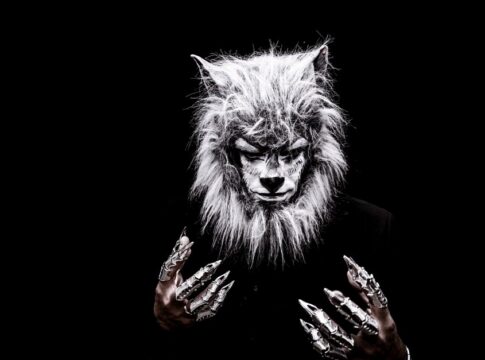
Werewolf Myths: The Medical Condition Behind the Legend
By Trivia Daily, Staff Writer — Published September 26, 2026
Table of Contents
- Key Takeaways
- Werewolf Myths Medical Foundations: Hypertrichosis and Excessive Hair Growth
- Blood Disorders and Moonlight: The Porphyria Connection
- When the Mind Believes: Clinical Lycanthropy
- Rabies, Ergot, and Environmental Triggers
- Comparing Medical Conditions Behind Werewolf Legends
- Frequently Asked Questions
For centuries, tales of humans transforming into wolves under the full moon have terrified and fascinated audiences across cultures. But what if the most surprising truth about werewolf myths medical origins lies not in folklore, but in actual documented conditions? Throughout history, several rare medical disorders have produced symptoms that mirror the legendary characteristics of werewolves, offering a fascinating glimpse into how ancient societies might have interpreted unexplained physical transformations.
The connection between medicine and mythology reveals how humans have always sought to explain the unusual and frightening. Before modern science could diagnose genetic mutations and hormonal imbalances, communities faced with individuals displaying bizarre physical changes often turned to supernatural explanations. These real conditions provided the raw material for some of our most enduring monster stories.
Key Takeaways
- Hypertrichosis, a condition causing excessive hair growth over the entire body, closely resembles the physical transformation described in werewolf legends.
- Porphyria, a group of blood disorders, can cause light sensitivity, reddish teeth, and behavioral changes that align with vampire and werewolf folklore.
- Clinical lycanthropy is a rare psychiatric condition where patients genuinely believe they can transform into animals, most commonly wolves.
- Rabies symptoms, including aggression, hydrophobia, and biting behavior, may have contributed to werewolf myths in regions where the disease was common.
- Medieval Europe saw documented cases of “wolf children” raised in isolation, displaying animalistic behaviors that fueled transformation legends.
- Ergot poisoning from contaminated grain could cause hallucinations and violent behavior, potentially explaining some alleged werewolf sightings.
Werewolf Myths Medical Foundations: Hypertrichosis and Excessive Hair Growth
Among all medical explanations for werewolf legends, hypertrichosis stands out as the most visually striking. This extremely rare genetic condition causes abnormal hair growth across the face and body, creating an appearance strikingly similar to the half-human, half-wolf creatures of folklore. Congenital hypertrichosis lanuginosa, one variant, covers the entire body with fine hair that can grow several inches long.
Historical records describe individuals with this condition being displayed in royal courts and traveling shows throughout Europe. The most famous case involved the Gonzales family in 16th-century Europe, whose members exhibited thick facial and body hair across multiple generations. Rather than receiving medical understanding, these individuals often faced accusations of witchcraft or demonic possession. Their very existence seemed to confirm that humans could indeed take on wolf-like characteristics.
The condition results from genetic mutations affecting hair follicle development. While modern medicine understands the biological mechanisms, imagine encountering such an individual in a medieval village with no scientific framework to explain their appearance. The leap to supernatural transformation would have seemed entirely reasonable.
Blood Disorders and Moonlight: The Porphyria Connection
Porphyria encompasses several rare disorders affecting heme production in blood. Certain types produce symptoms that read like a checklist of werewolf and vampire characteristics. Patients with congenital erythropoietic porphyria experience severe photosensitivity, forcing them to avoid sunlight. Their urine may turn red or purple. Gum tissue can recede, making teeth appear more prominent and sometimes stained reddish-brown from porphyrin deposits.
The connection to werewolf myths becomes clearer when considering behavioral aspects. Severe cases cause skin to blister and scar upon sun exposure, encouraging strictly nocturnal habits. In medieval times, someone emerging only at night with discolored teeth and unusual appearance would certainly attract suspicion. The full moon connection might stem from brighter moonlight making nighttime activity easier for those avoiding daylight.
Some researchers have suggested that consuming blood might theoretically provide heme, though this treatment theory remains controversial and unproven. Nonetheless, the overlap between porphyria symptoms and monster mythology is remarkable enough that medical literature has explored the connection.
When the Mind Believes: Clinical Lycanthropy
Perhaps the most direct medical link to werewolf myths comes from clinical lycanthropy, a rare psychiatric syndrome where patients experience delusions of transforming into animals. While any animal might feature in these delusions, wolves remain the most common. This condition represents not a physical transformation, but a genuine belief in shapeshifting that can profoundly affect behavior.
Documented cases describe patients who walked on all fours, howled, and claimed to feel their bodies changing shape. This syndrome often appears alongside other psychiatric conditions including schizophrenia, bipolar disorder, or severe depression. Brain imaging studies have shown unusual patterns of neural activity in affected individuals, though the exact mechanisms remain under investigation.
Historical witch trial records contain accounts that match clinical lycanthropy descriptions remarkably well. Accused werewolves often confessed to transforming and committing violent acts while in wolf form. Modern psychiatric understanding suggests these individuals genuinely believed their own testimonies, experiencing powerful delusions rather than deliberately fabricating stories.
Rabies, Ergot, and Environmental Triggers
Beyond genetic and psychiatric conditions, environmental factors may have fueled werewolf legends. Rabies presents particularly compelling parallels. The disease causes aggression, hypersalivation, hydrophobia, and compulsive biting—behaviors strongly associated with werewolf attacks. In regions where rabid wolves transmitted the disease to humans, victims would display increasingly animalistic behavior before death.
The incubation period varies, but symptoms can appear weeks after exposure, creating the impression of a delayed transformation. Medieval observers watching a wolf-bite victim gradually develop violent, animal-like behavior would have little reason to doubt the werewolf connection.
Ergot fungus, which grows on rye and other grains, produces powerful psychoactive compounds. Consuming contaminated bread could trigger hallucinations, convulsions, and violent behavior affecting entire communities simultaneously. Some historians link ergot poisoning to various mass hysteria events, including potential werewolf sightings where multiple witnesses reported seeing transformations or wolf-like creatures.
Comparing Medical Conditions Behind Werewolf Legends
| Condition | Primary Symptoms | Werewolf Myth Connection |
|---|---|---|
| Hypertrichosis | Excessive hair growth on face and body | Physical wolf-like appearance |
| Porphyria | Photosensitivity, discolored teeth, skin lesions | Nocturnal habits, unusual appearance |
| Clinical Lycanthropy | Delusions of animal transformation | Belief in shapeshifting, animal behavior |
| Rabies | Aggression, hypersalivation, biting compulsion | Animal-like violence, transmission through bites |
| Ergot Poisoning | Hallucinations, convulsions, mania | Witnessing transformations, mass hysteria |
Frequently Asked Questions
What medical condition makes people look like werewolves?
Hypertrichosis, also called “werewolf syndrome,” causes excessive hair growth across the face and body, creating a wolf-like appearance. This extremely rare genetic condition has been documented throughout history and likely inspired many transformation legends.
Can humans actually believe they turn into wolves?
Yes, through a rare psychiatric condition called clinical lycanthropy, where patients experience genuine delusions of transforming into animals, most commonly wolves. This syndrome often occurs alongside other mental health conditions and has been documented in medical literature for centuries.
Did rabies contribute to werewolf myths?
Rabies likely played a significant role in werewolf folklore, particularly in regions with infected wolf populations. The disease causes aggression, excessive salivation, and biting behavior in victims, creating the appearance of animalistic transformation that medieval observers would have interpreted as lycanthropy.
Why are werewolf legends connected to the full moon?
While no medical condition actually responds to lunar cycles, the full moon connection may stem from practical factors: brighter moonlight enabled nocturnal activity for people with photosensitive conditions like porphyria, and improved visibility meant more nighttime witnesses to unusual behavior or appearances.
The next time you encounter a werewolf in fiction, consider the real individuals throughout history whose medical conditions inadvertently shaped our monster mythology. These rare disorders remind us that the line between medical mystery and supernatural legend often blurred in eras before modern diagnosis, and that behind every myth lies a kernel of human experience seeking explanation.